
Photo Listing
THIS WEEK IN PHOTOS
-
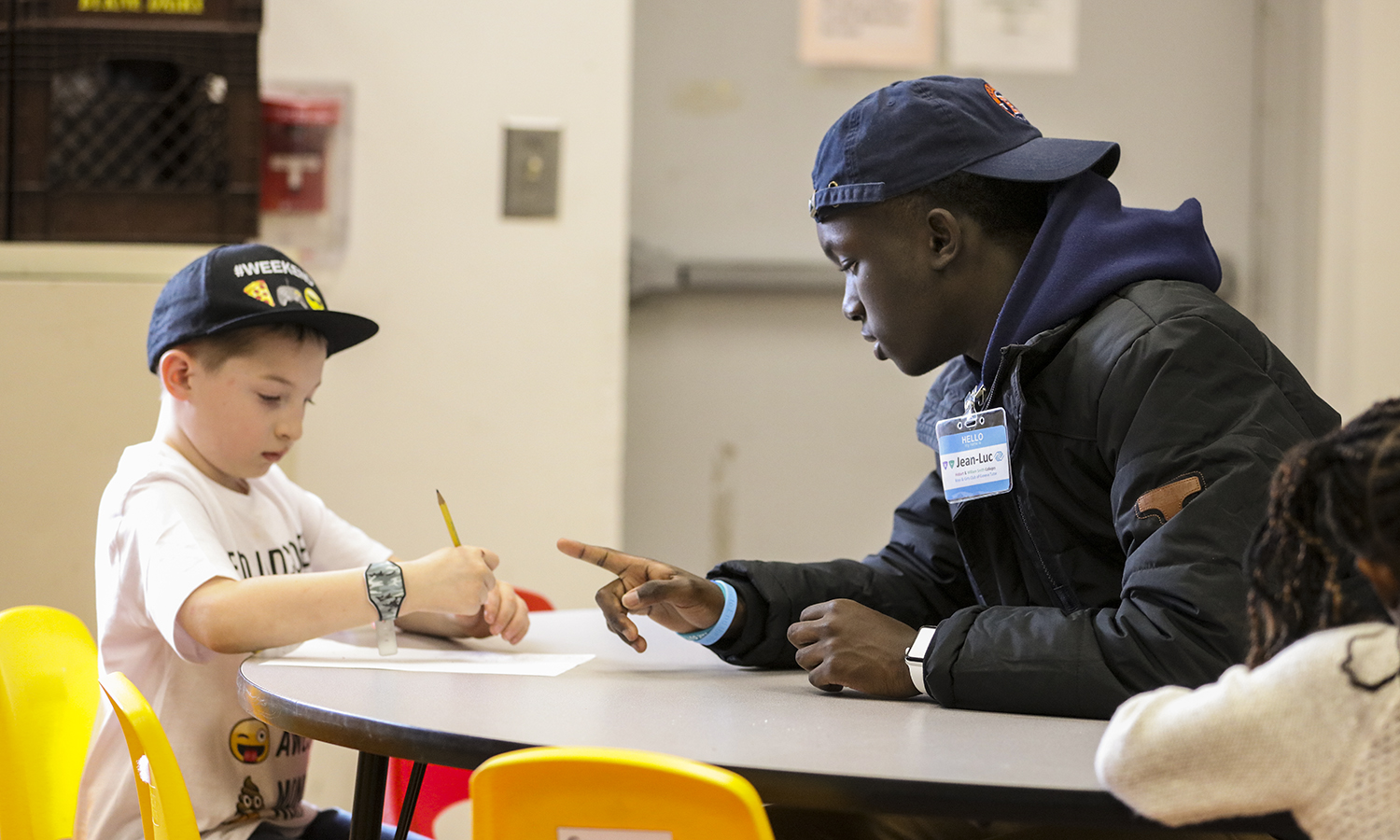 JJean-Luc Shyaka '21 helps a student with his homework after school at the Boys and Girls Club. A member of the HWS Tutor Corp, Shyaka is one of more than 50 students who provide one-on-one tutoring to Geneva youth twice a week.
 -
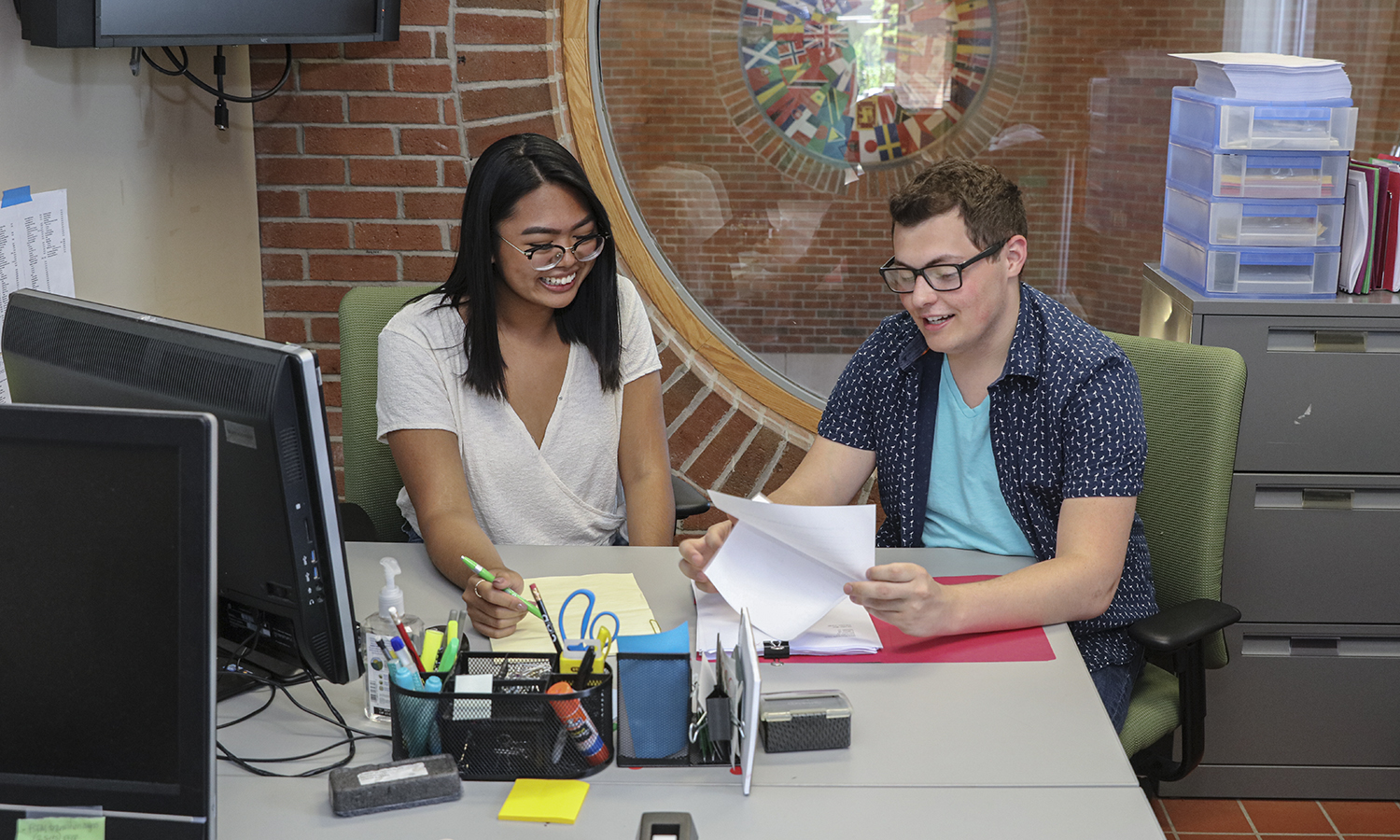 Orientation Coordinators Lalaine Vergara '21 and Garrett Downs '22 prepare for the Classes of 2024's arrival. In their role as OC's, the pair will welcome first-years and transfer students, helping them transition into their new environment with events and activities that acquaint them with campus.
 -
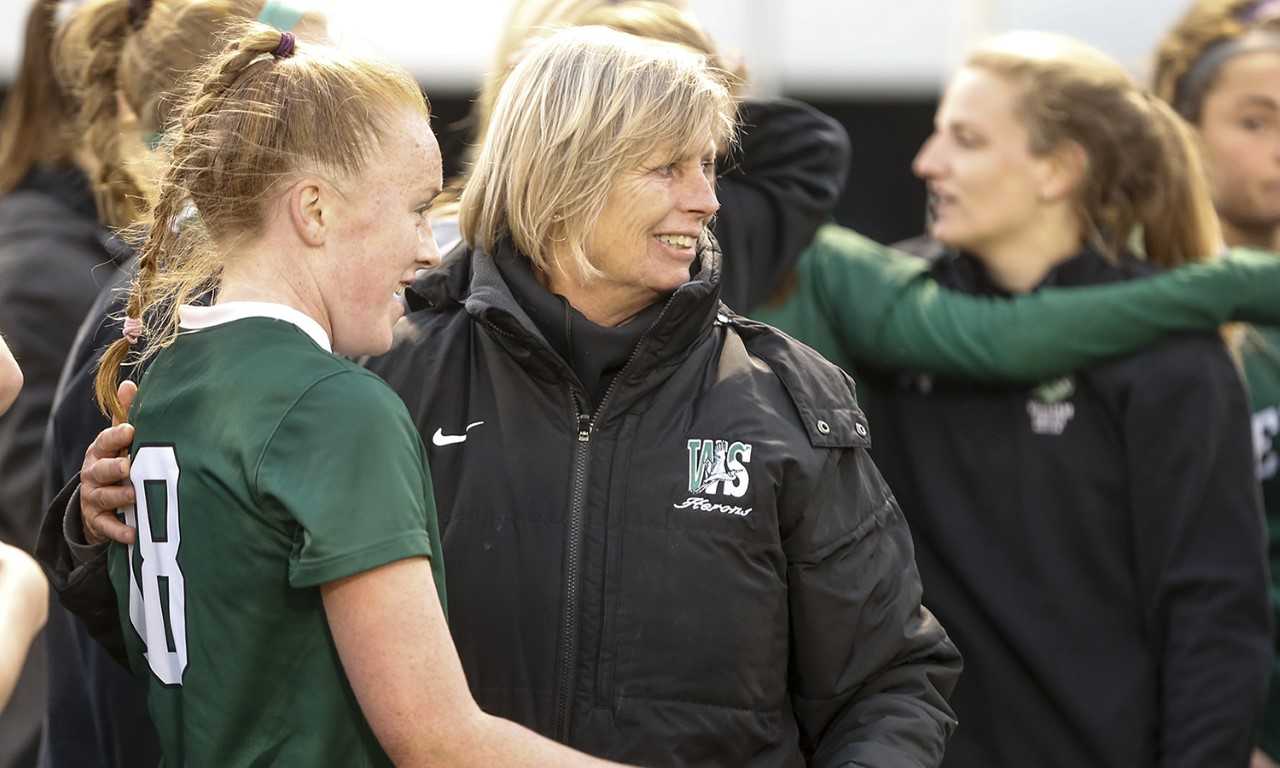 Head coach Aliceann Wilber P'12 celebrates with her team after William Smith Soccer won second place in the NCAA Division III National Championships. The Herons participate in the WS Peak Performance Series, where they learn personal empowerment, networking skills, team dynamics and conflict resolution tactics.
 -
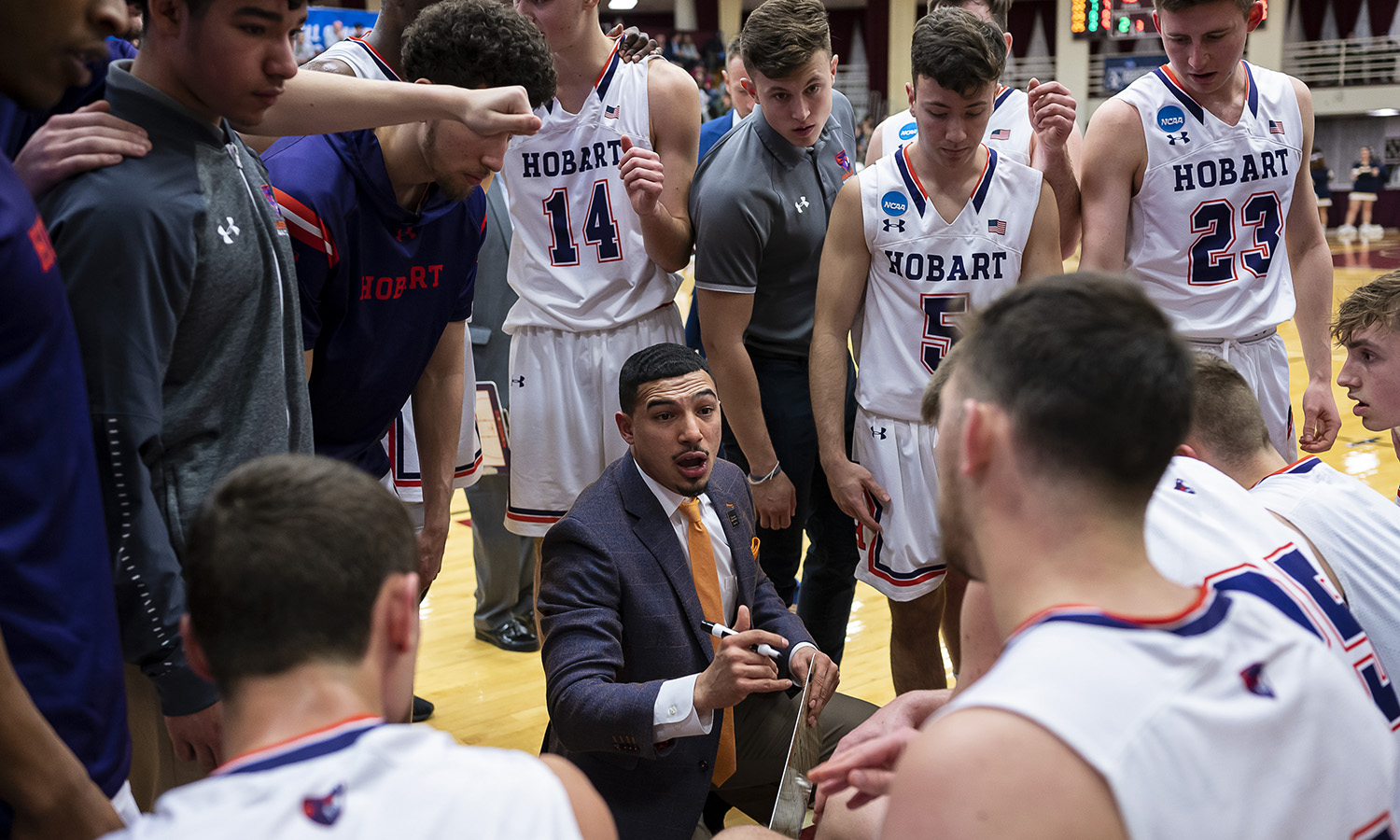 Hobart Basketball Head Coach Stefan Thompson 13 leads his team in a huddle before tipping off against the University of Saint Joseph. The Statesmen advanced to the sectional round of the NCAA Division III Mens Basketball Championship and Thompson was named East Region Coach of the Year by D3hoops. Although the final four rounds were canceled due to COVID-19, the team advanced for the first time in program history to the Sweet 16. Every year, Hobart athletes participate in the Napier Leadership Series, where they participate in workshops on study skills, time management, financial literacy and more.
 -
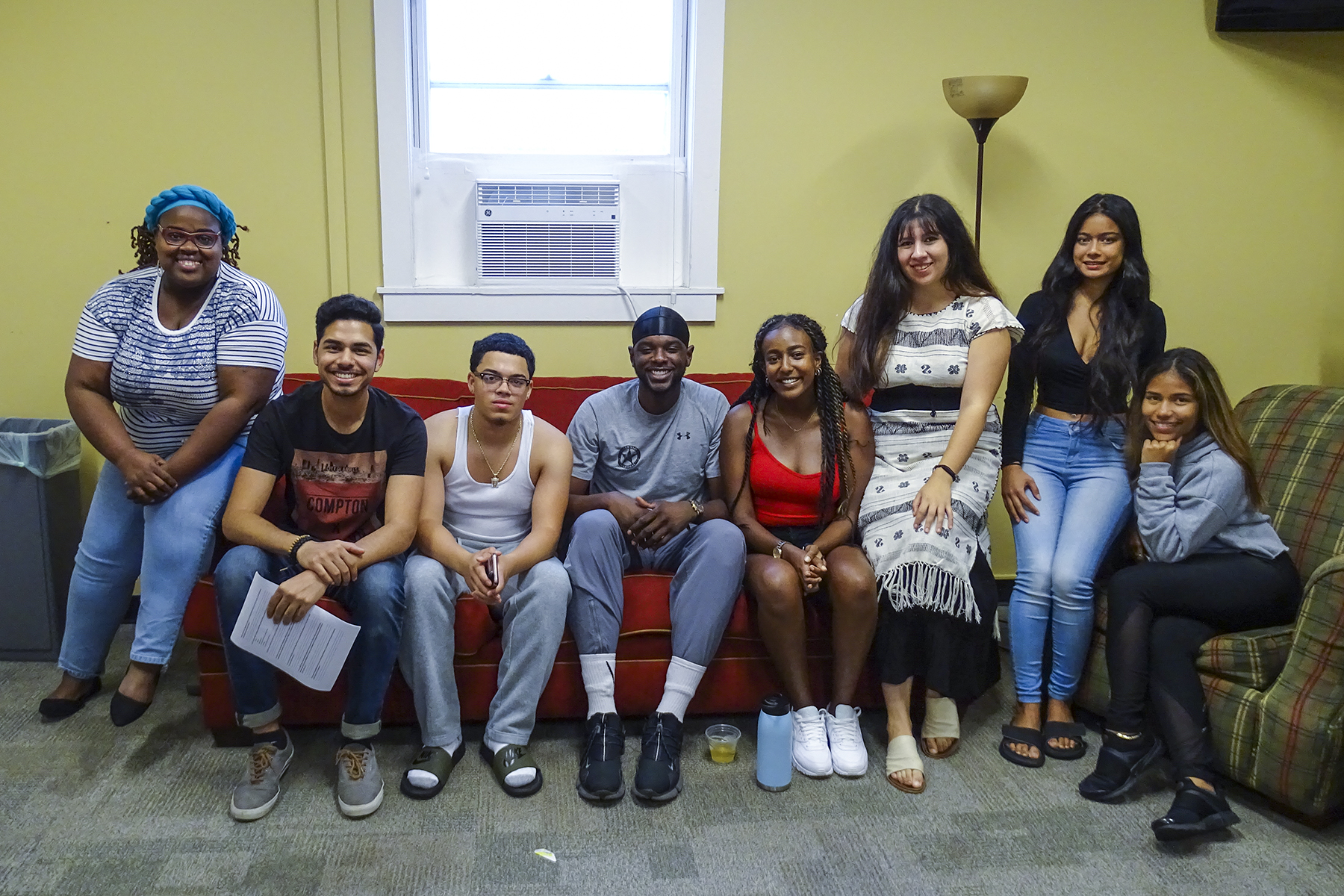 Leaders of the Colleges' student-led cultural clubs gather with Renee Grant, the Associate Director of the Intercultural Affairs Center (left) during the Cultural, Global Awareness and Social Justice leadership caucus.
 -
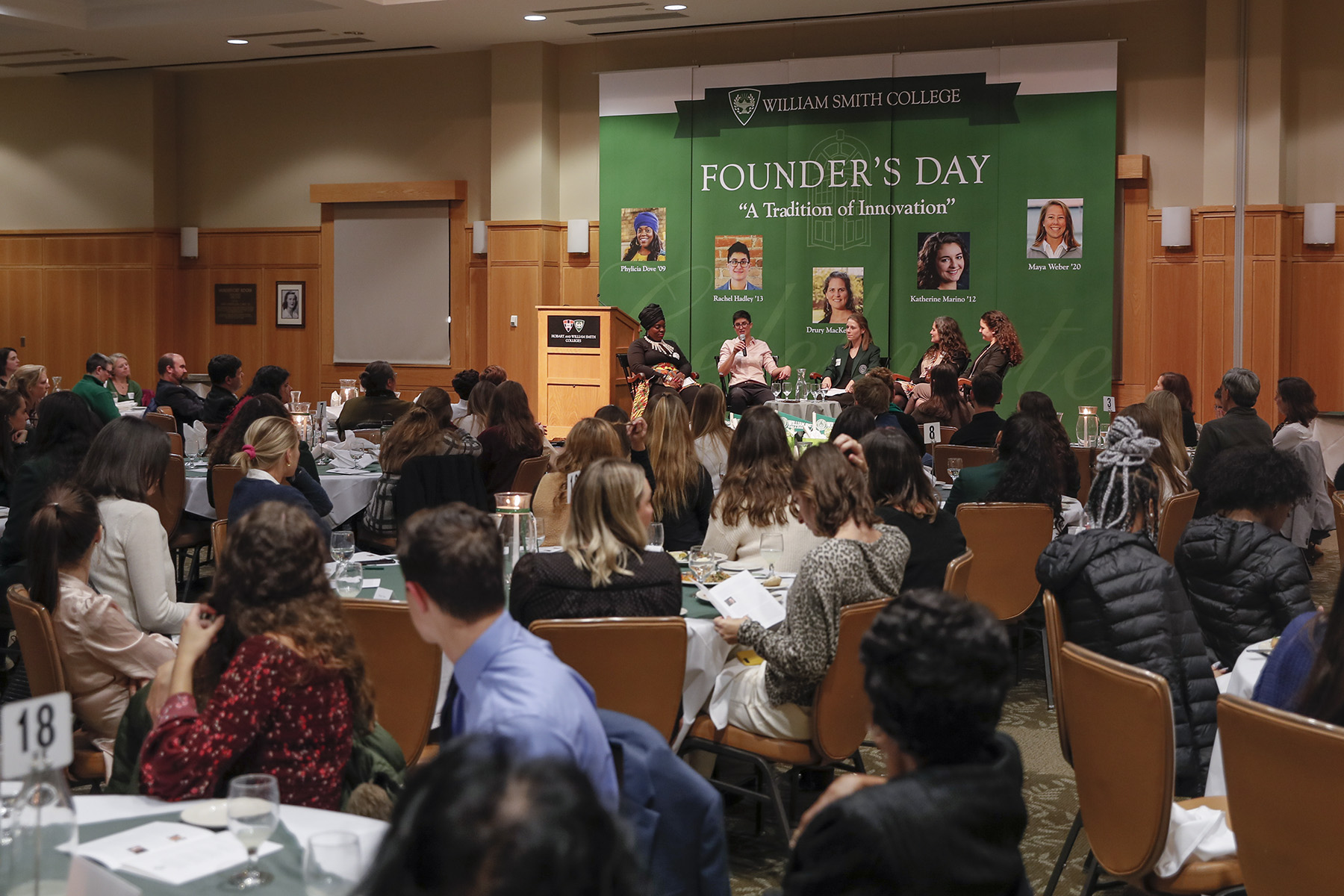 As part of the annual Founders Day celebration, Phylicia Dove 09, Rachel Hadley 13, Drury MacKenzie 03 and Katherine Marino 12 discuss entrepreneurship and innovation. The panel was moderated by Maya Weber 20.
 -
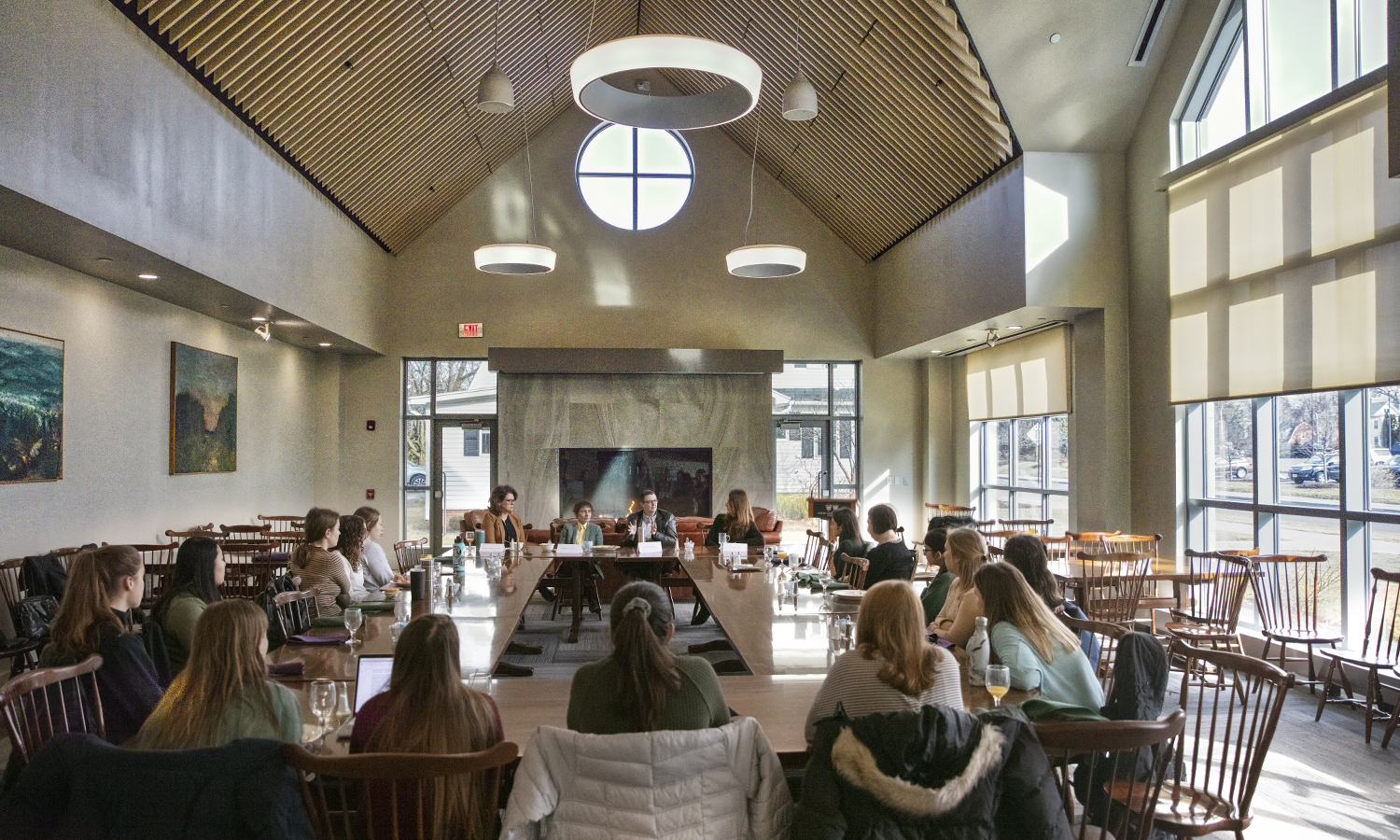 Student members of the Public Leadership Education Network (PLEN) gather in the Faculty Dining Room to hear HWS faculty discuss their career paths through academia. Associate Professor of Political Science Stacey Philbrick Yadav, Associate Professor of English Alla Ivanchikova, Associate Professor of Chemistry Christine De Denus and Provost and Dean of Faculty Mary Coffey share their perspectives.
 -
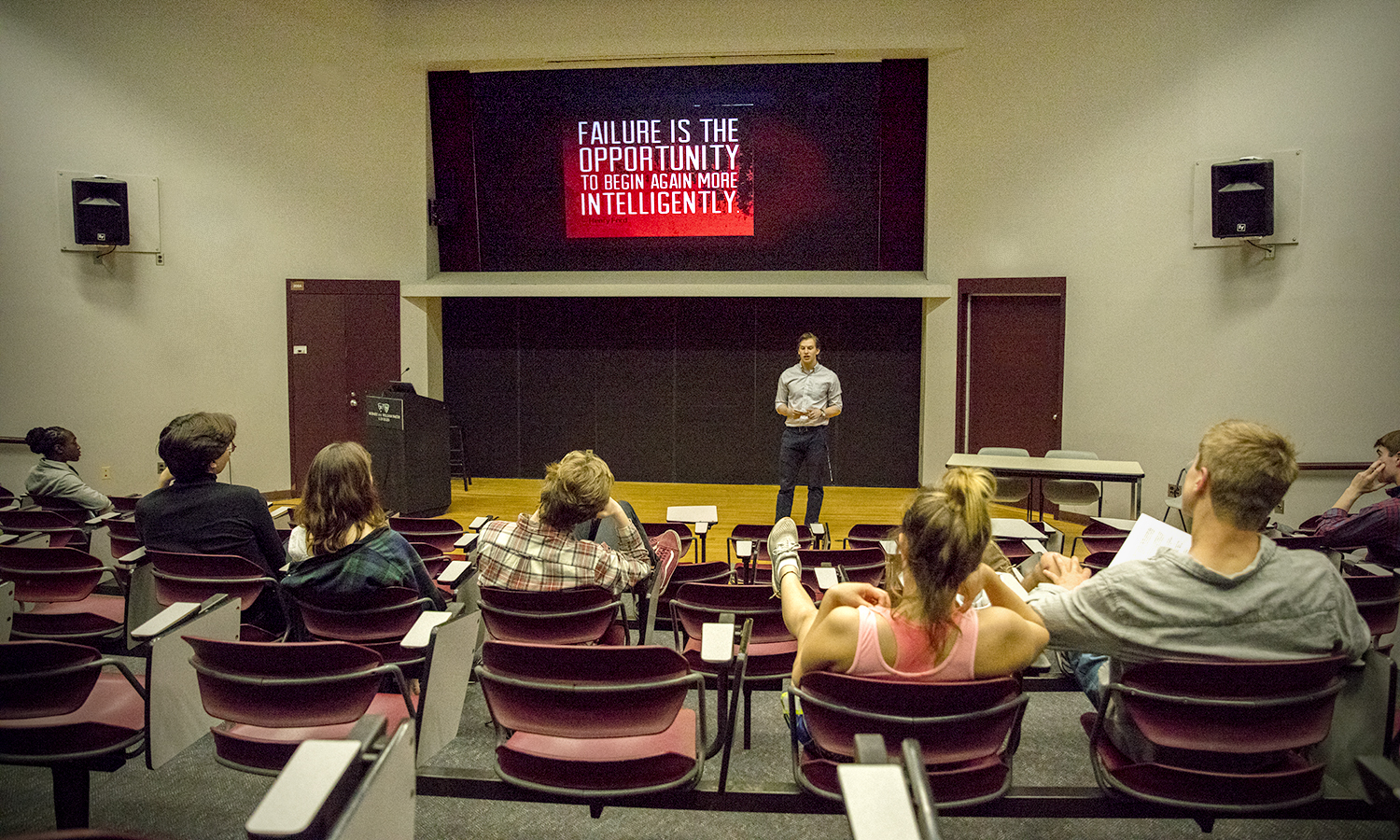 Joshua Barnes '20 is one of 33 students at the Colleges who were elected to the 2019-2020 class of Phi Beta Kappa graduates, the nations oldest and most prestigious academic honors society. Here, he speaks about his experience living in the Mini-Quad with fellow students as part of the Residential Leadership Seminar in the Geneva Room of the Warren Hunting Smith Library.
 -
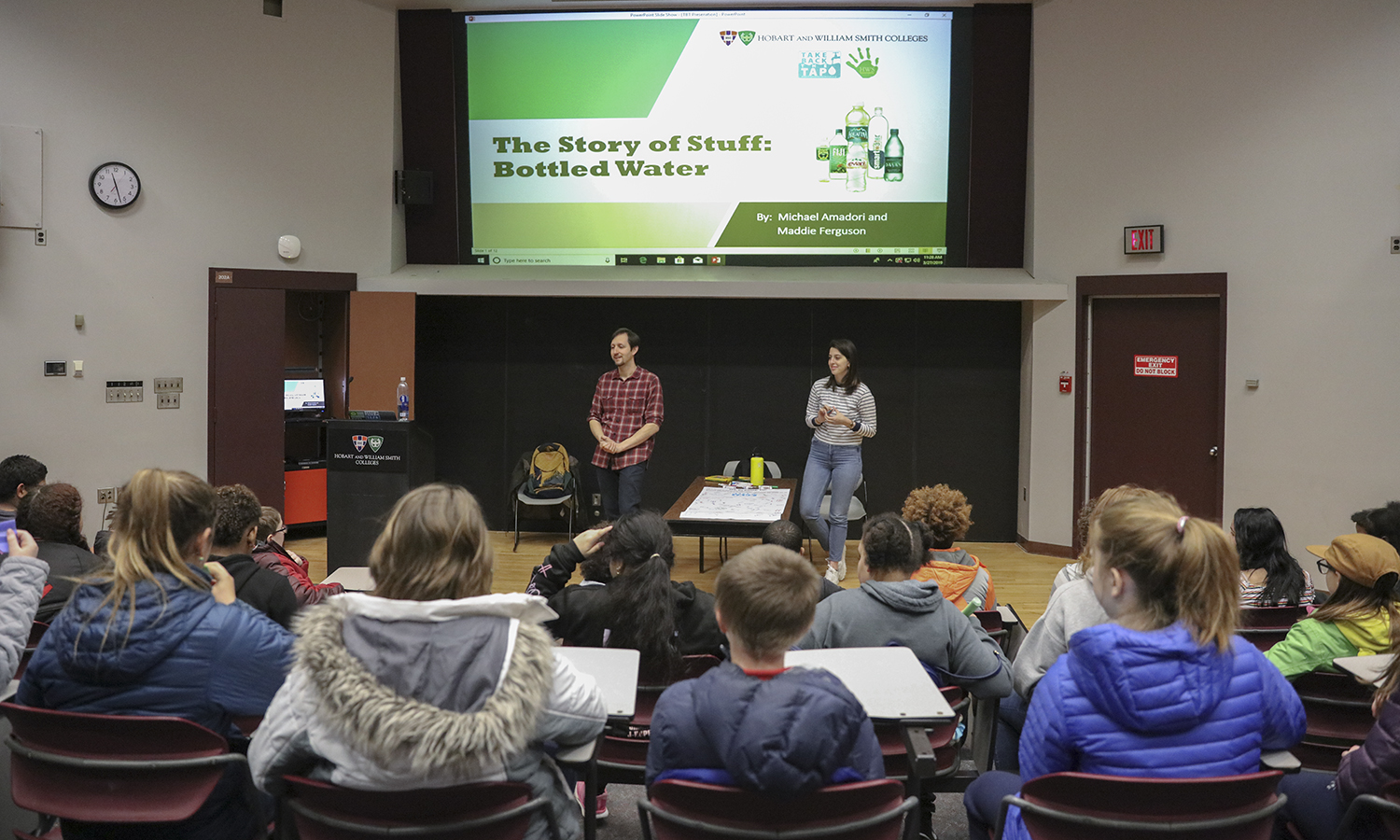 Sustainability Manager Michael Amadori and Maddie Ferguson '21 speak about recycling and sustainability with students from Geneva area schools during the Geneva 2020 sixth-grade visit. Ferguson is an Eco-rep, a student organization focused on sustainability initiatives on campus.
 -
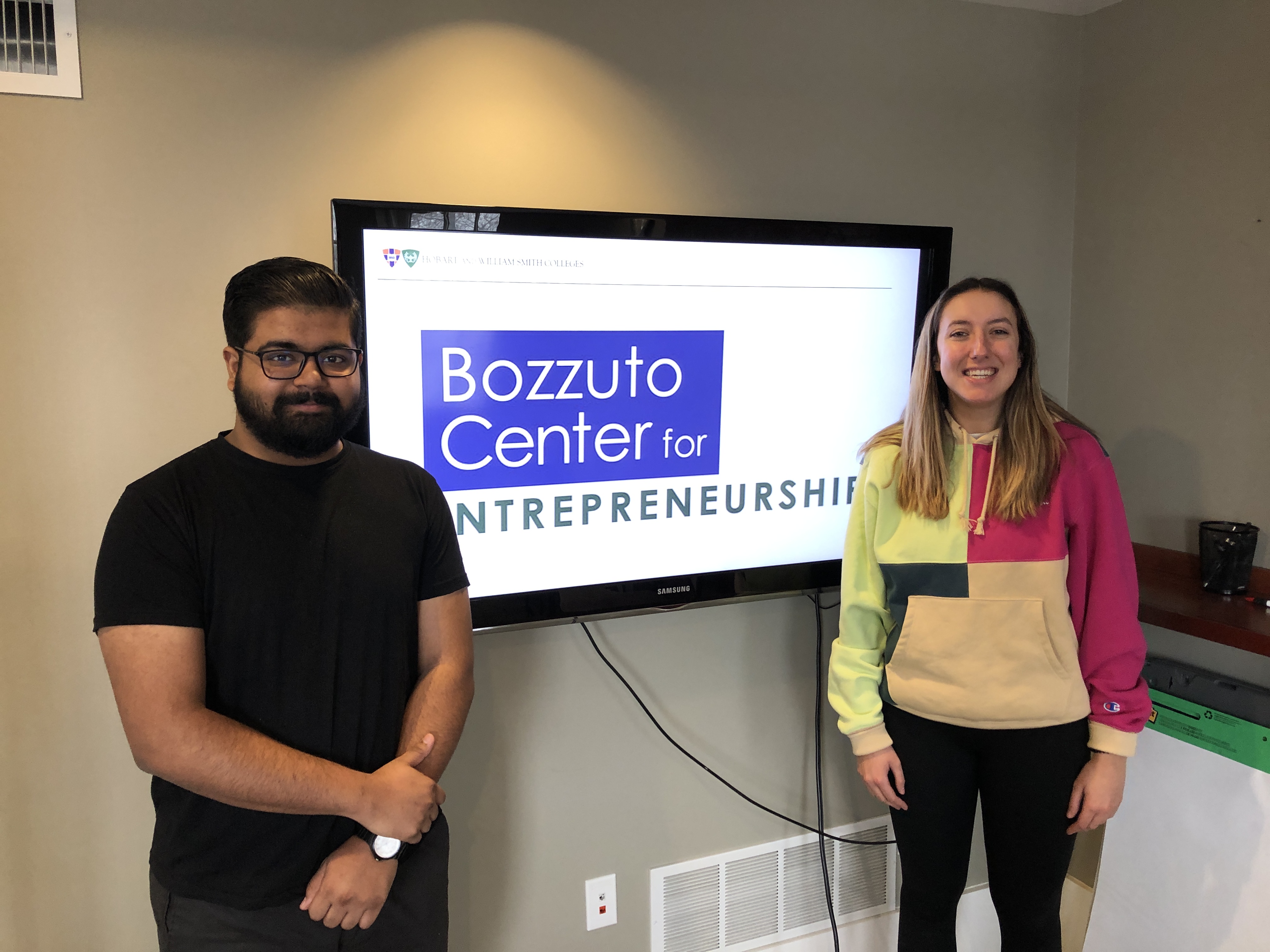 In this special edition of This Week in Photos, we spotlight the academic enrichment and applied learning opportunities at the Colleges that encourage students to develop into leaders. On campus, Sreyan Kanungo '23 and Haley Schoenberger '23 serve as Bozzuto Center Community Developers. In their role, the pair plan programming for the HWS community at the Bozzuto Center for Entrepreneurship.
 -
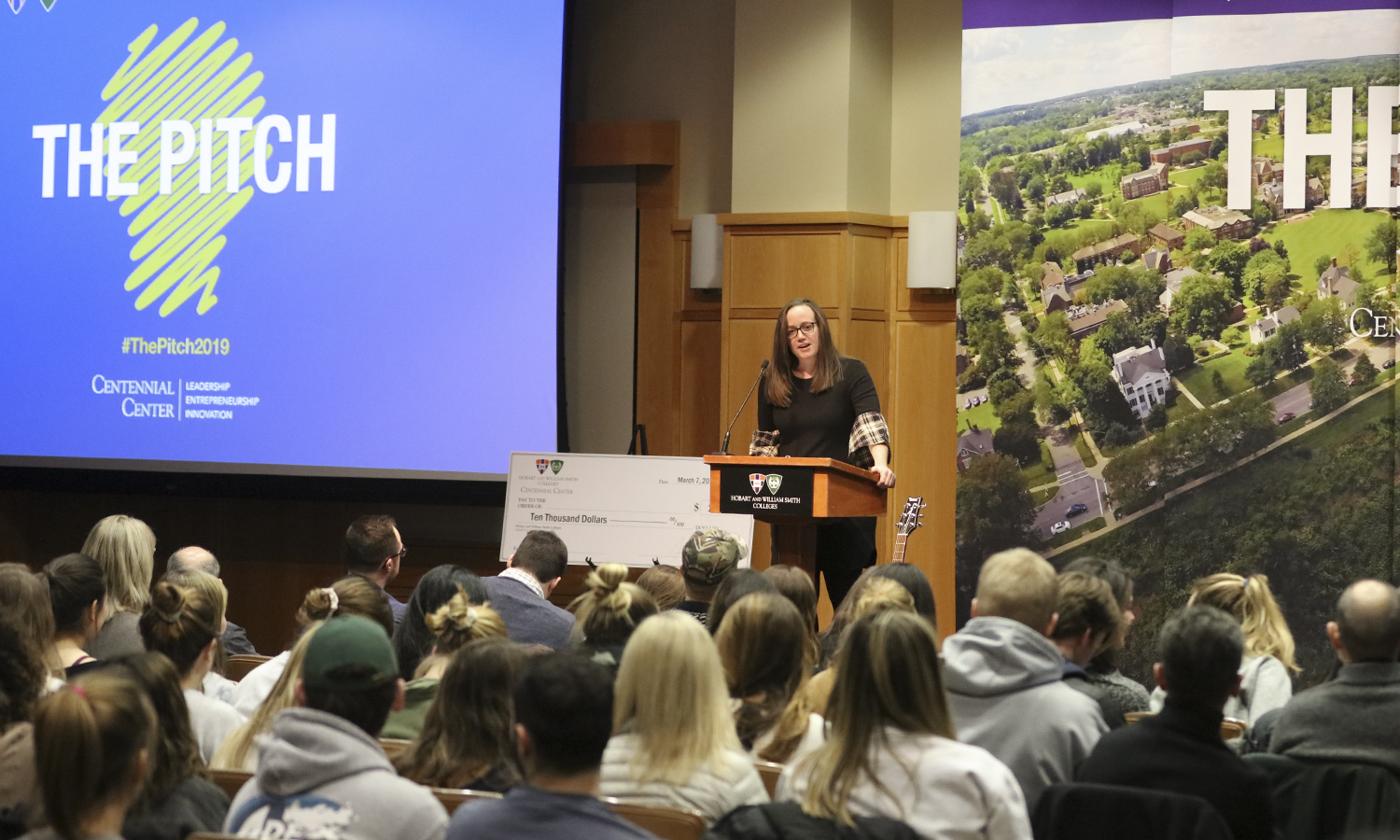 Director of the Centennial Center Amy Forbes welcomes a standing-room only audience to The Pitch, an entrepreneurial leadership contest. Every year, the winner receives a $10,000 grant to launch their own startup.
 -
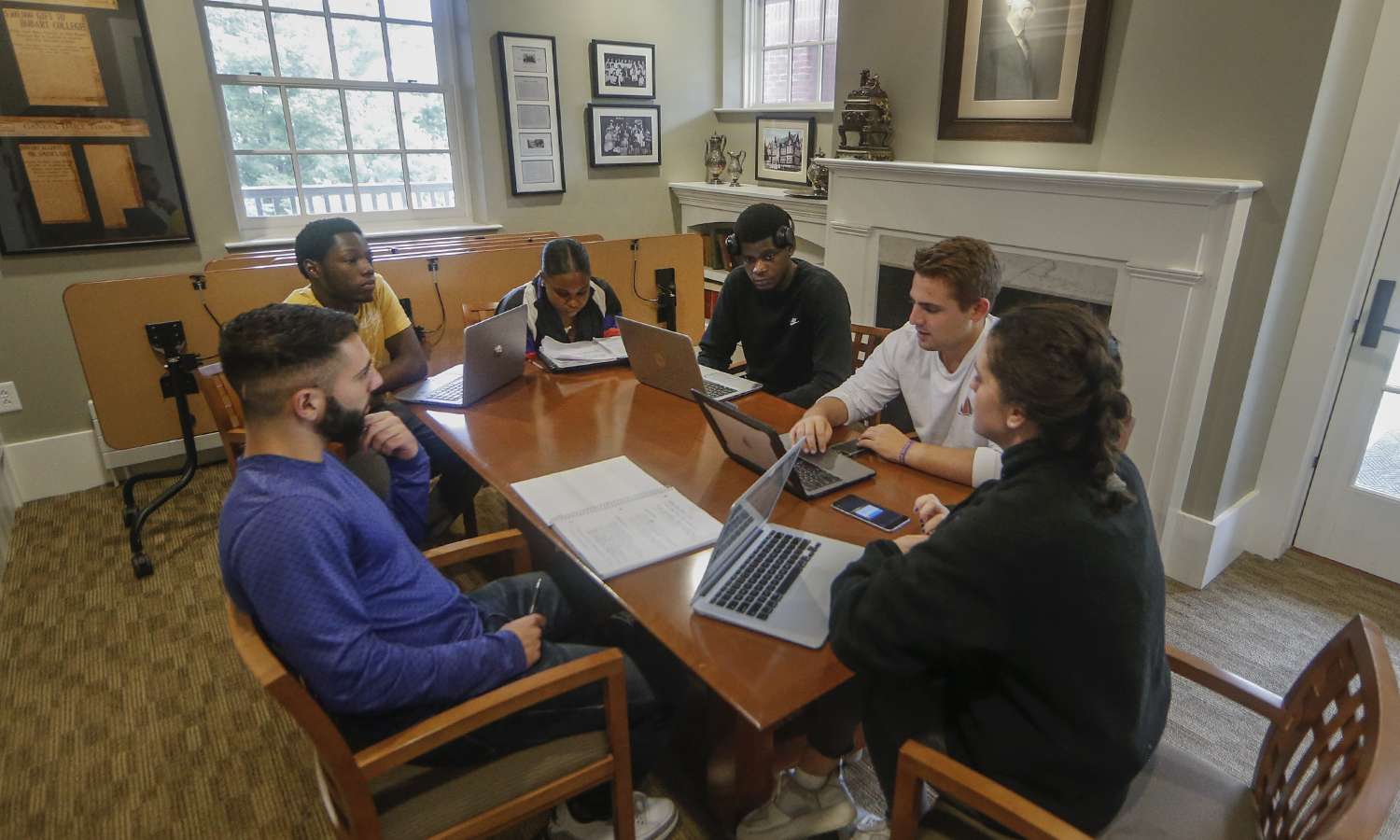 Mike Baroody '21, Aman Cumberbatch '21, Faith Hicks '21, Jobed Hilaire '21, Alec Biegen '21 and Teresa Kepes '21 participate in a group discussion on The Changing Nature of Leadership in the Centennial Center.
 -
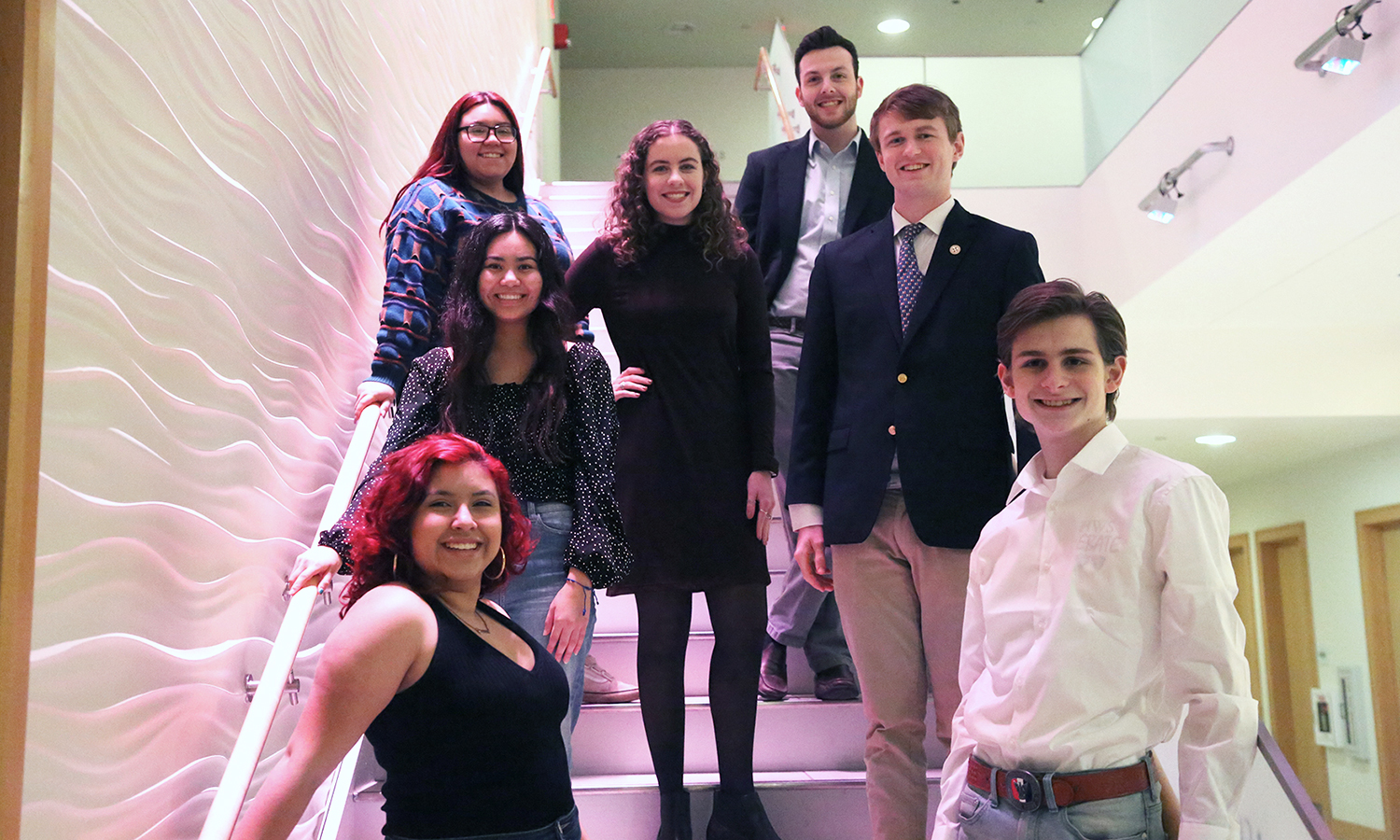 The newly elected class presidents of the 2020-2021 academic year gather in the Gearan Center for the Performing Arts.
 -
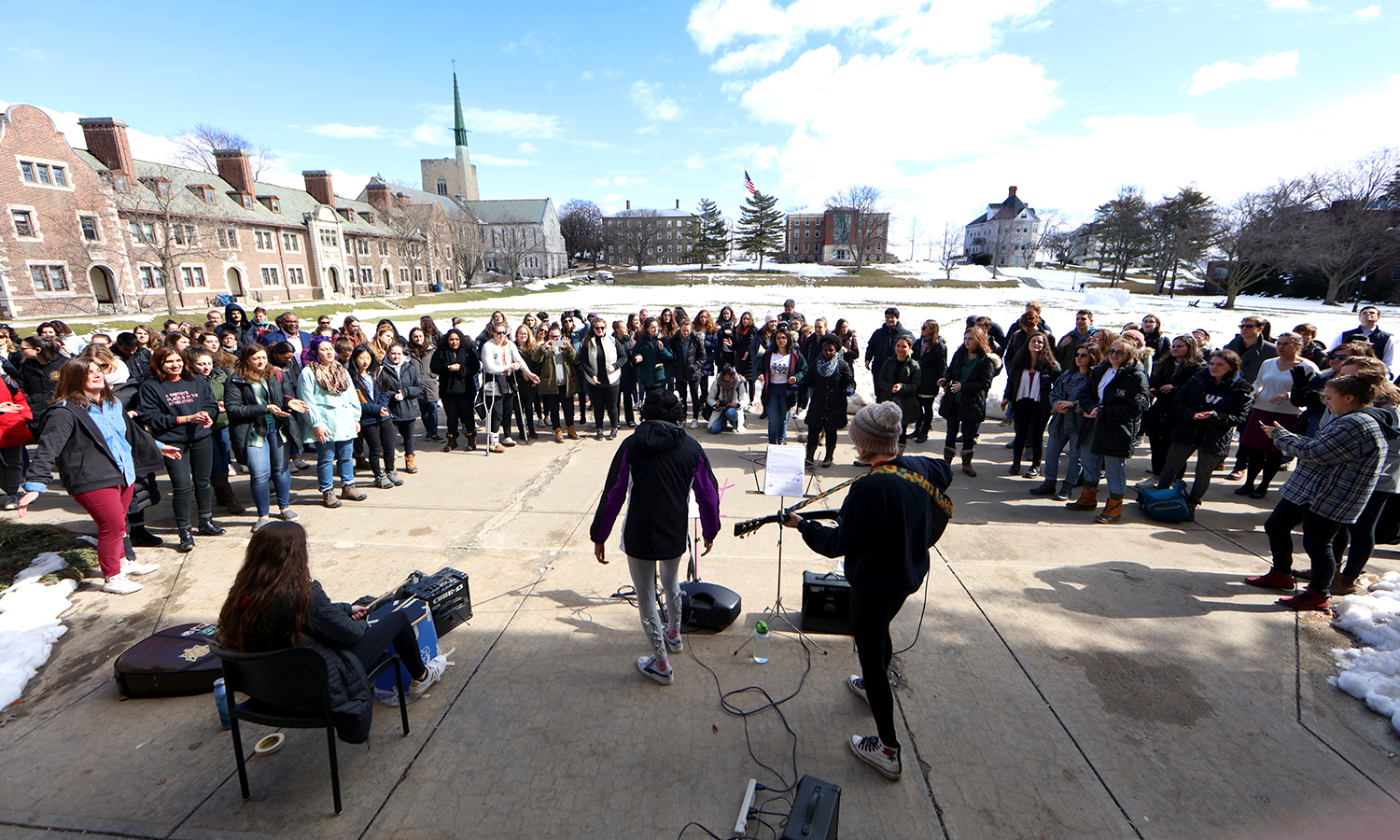 Students perform on the steps of Coxe Hall as part of International Women's Day events. Programming was organized by the Women's Collective.
 -
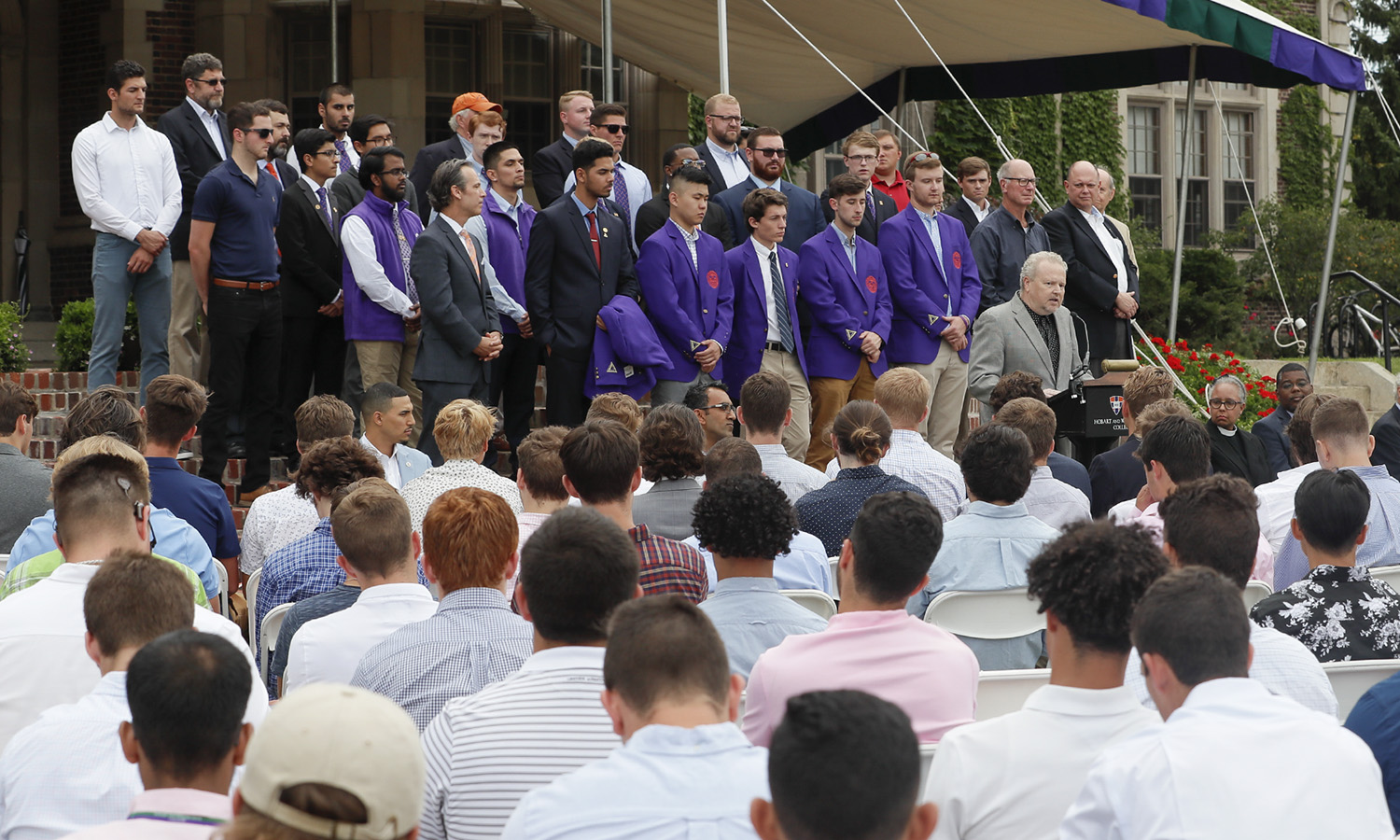 During Orientation 2019, current and past members of the Druid Honor Society gather on the steps of Coxe Hall to welcome first years to campus.
 -
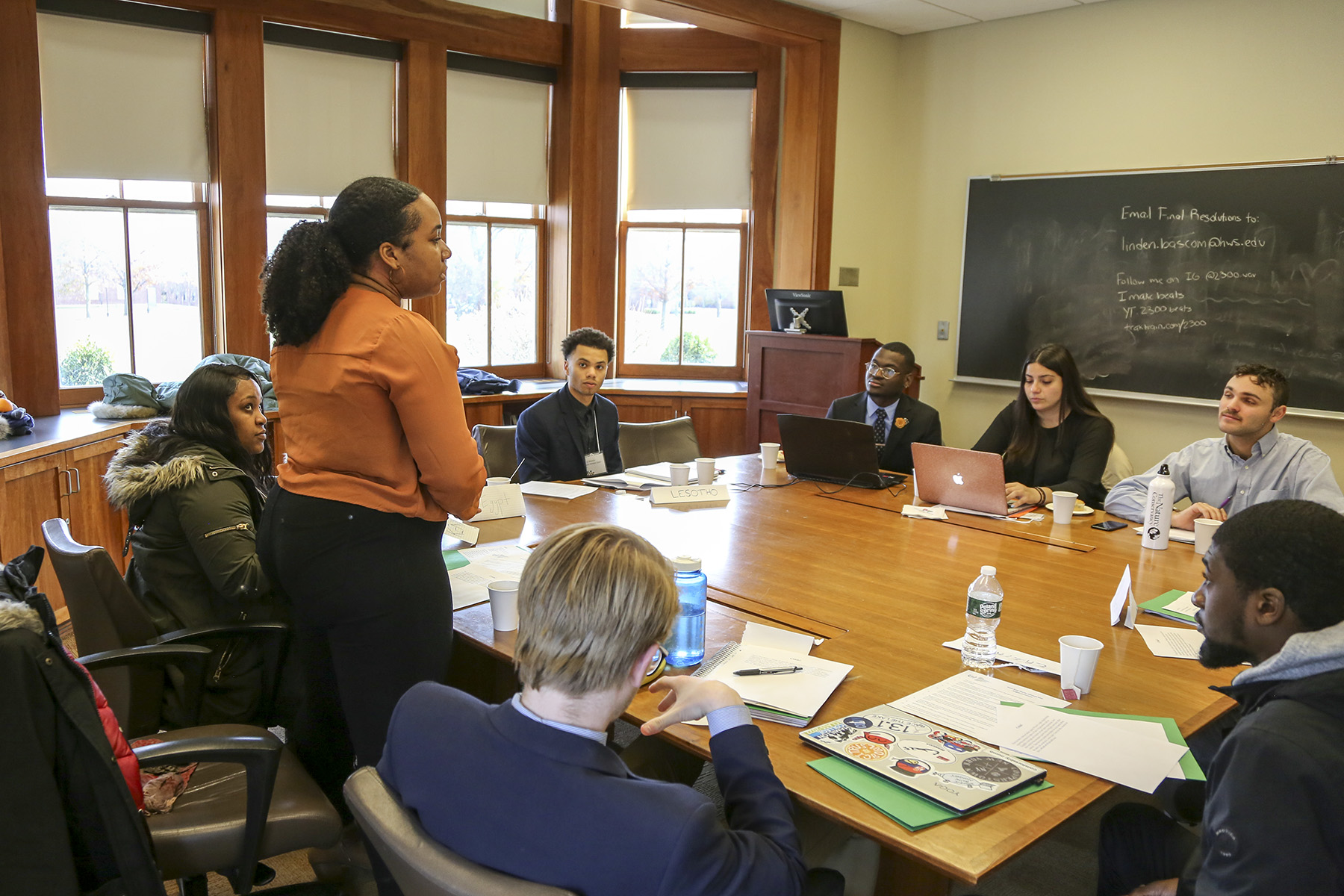 For the second year in a row, the HWS Chapter of Model African Union hosted a NY6 Consortium Conference. Linden Bascom '20 (center), an officer of the HWS program, chairs a session in Stern Hall.