
Photo Listing
THIS WEEK IN PHOTOS
-
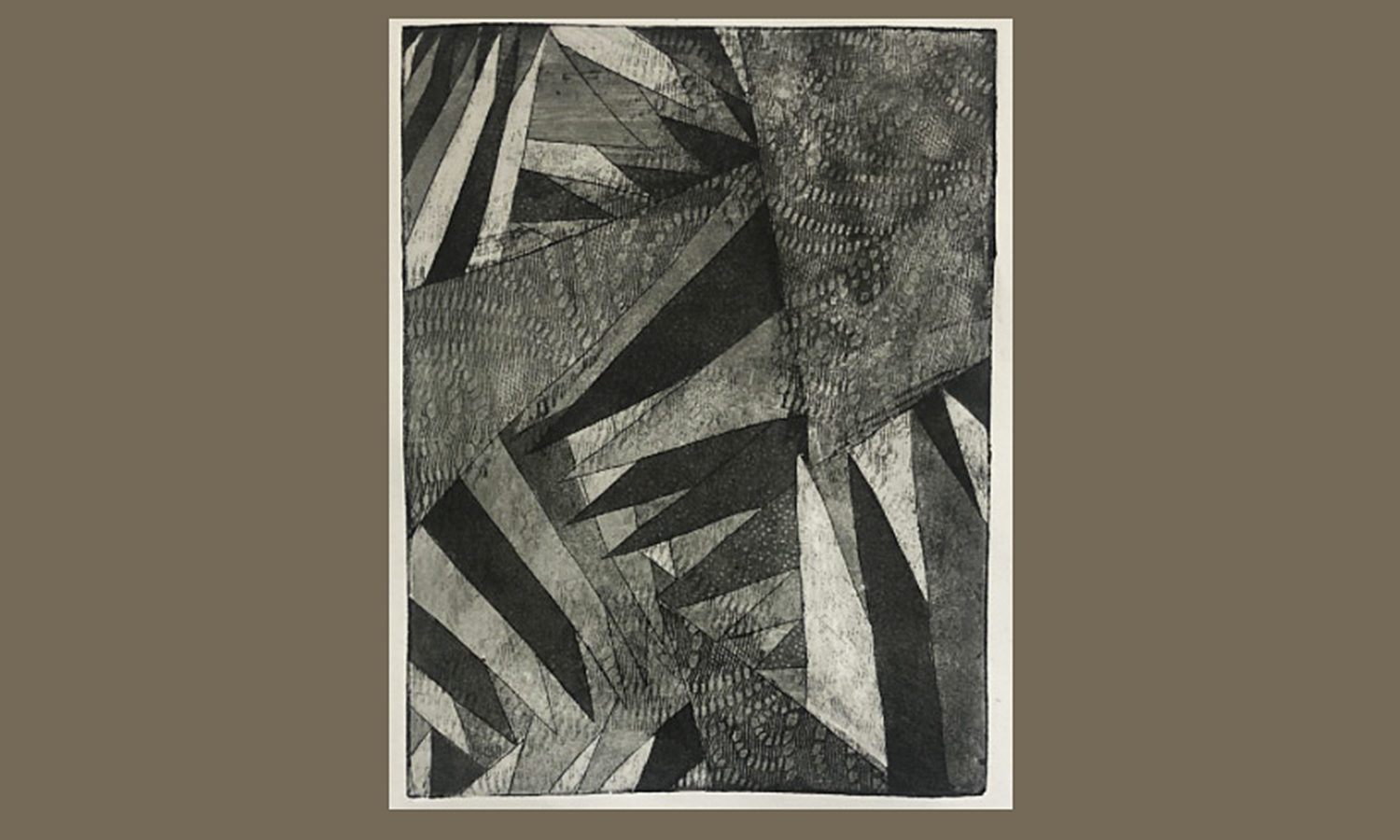 Pins and Needles intaglio print by Davida Eyam-Ozung '20. This piece was created during the Intaglio Printing course taught this spring by Professor of Art and Architecture Phillia Yi.
 -
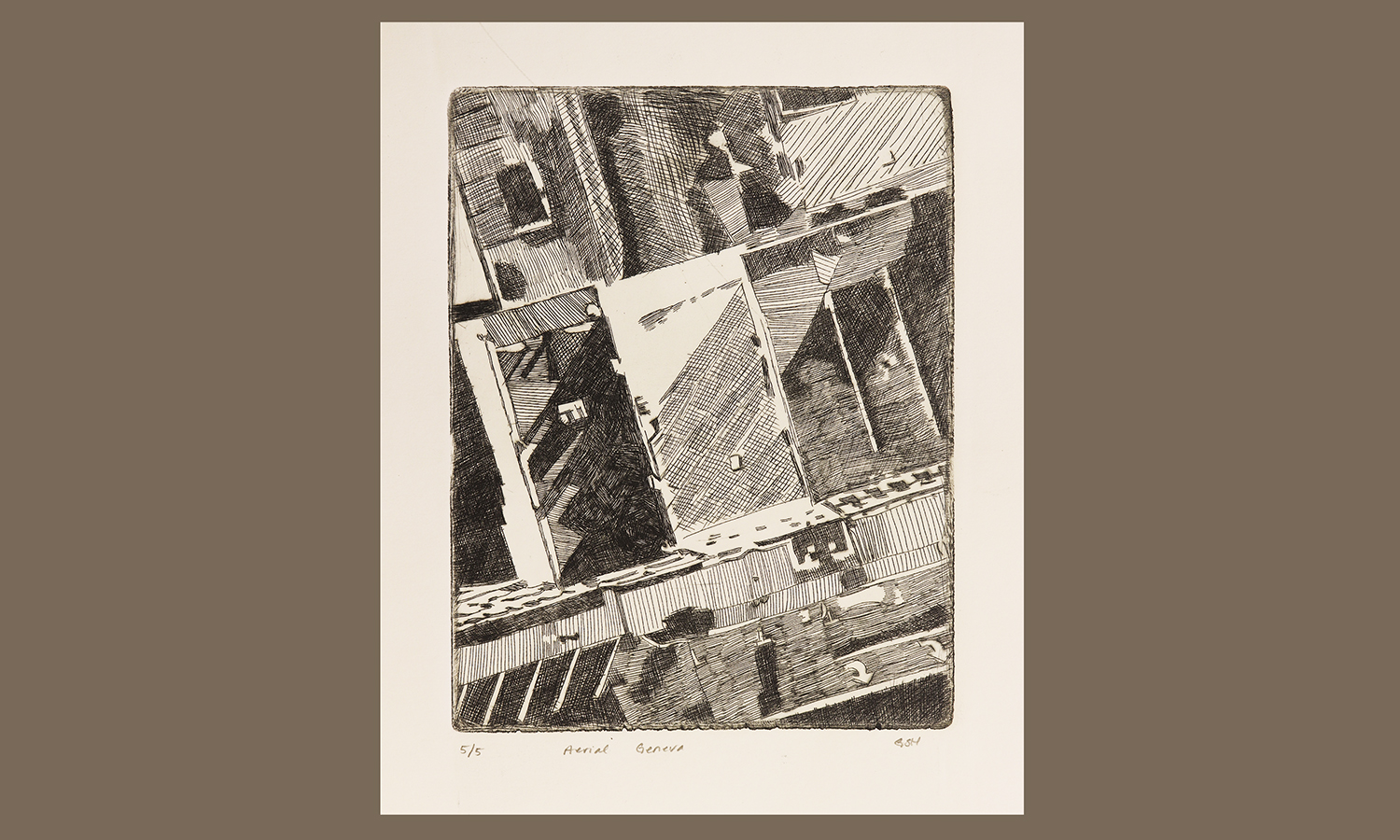 Aerial Geneva intaglio print by Grace Stribling-Hough ’20. This piece was created during the Intaglio Printing course taught this spring by Professor of Art and Architecture Phillia Yi.
 -
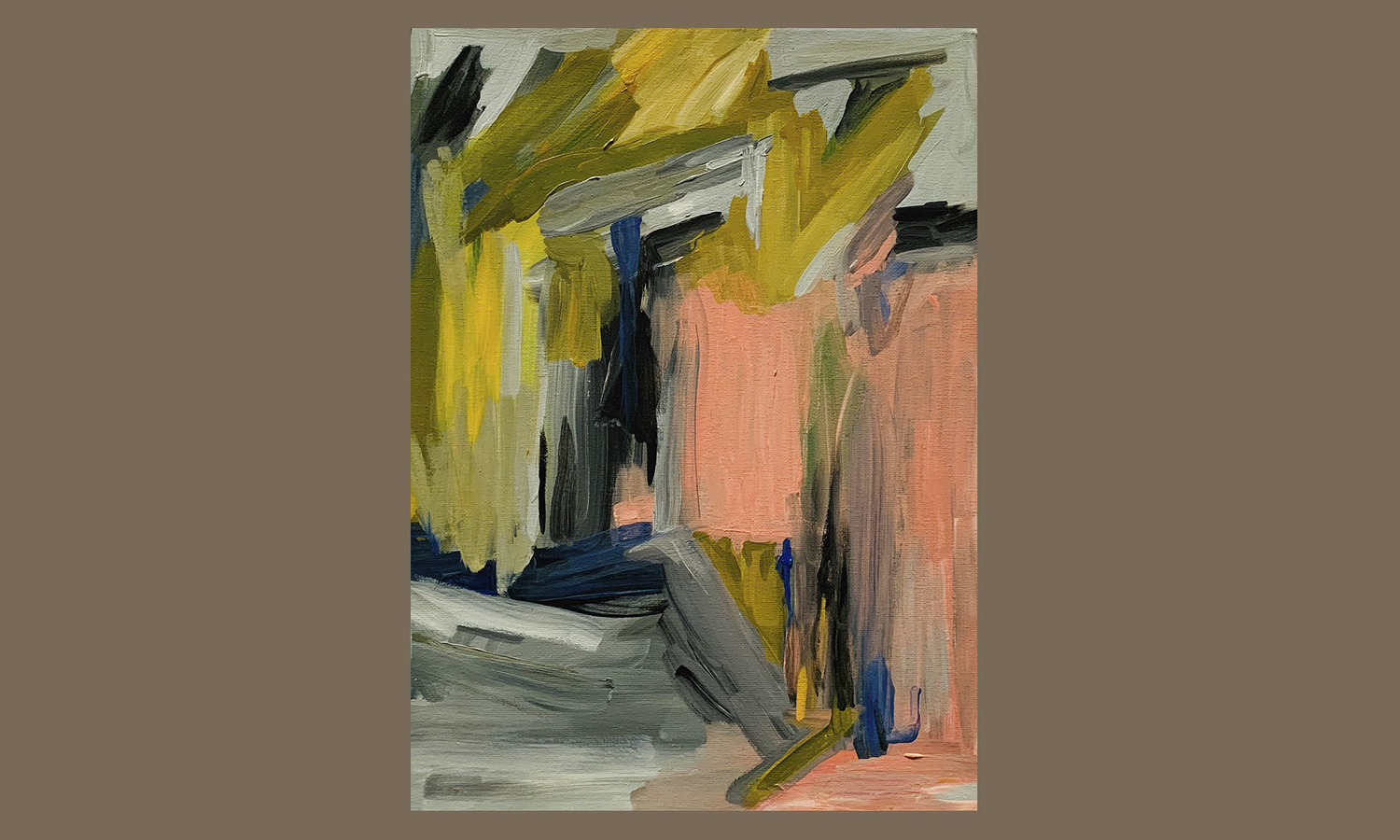 Untitled acrylic painting by Thayer Kennedy ’20. This piece was created during the Painting Workshop course taught this spring by Professor of Art and Architecture Michael Bogin.
 -
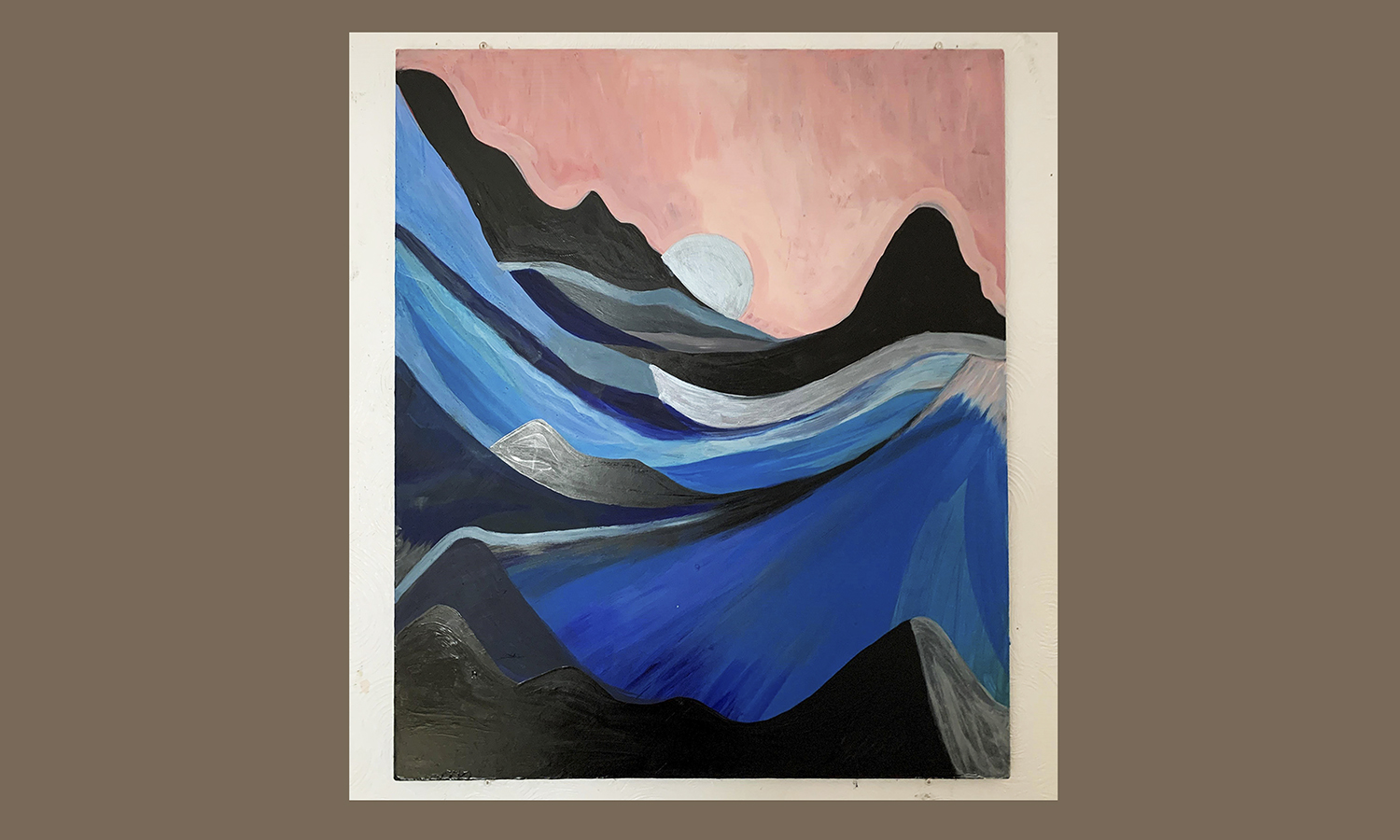 “Untangled acrylic painting by Morgan Perry ’20. This piece was created during the Painting Workshop course taught this spring by Professor of Art and Architecture Michael Bogin.
 -
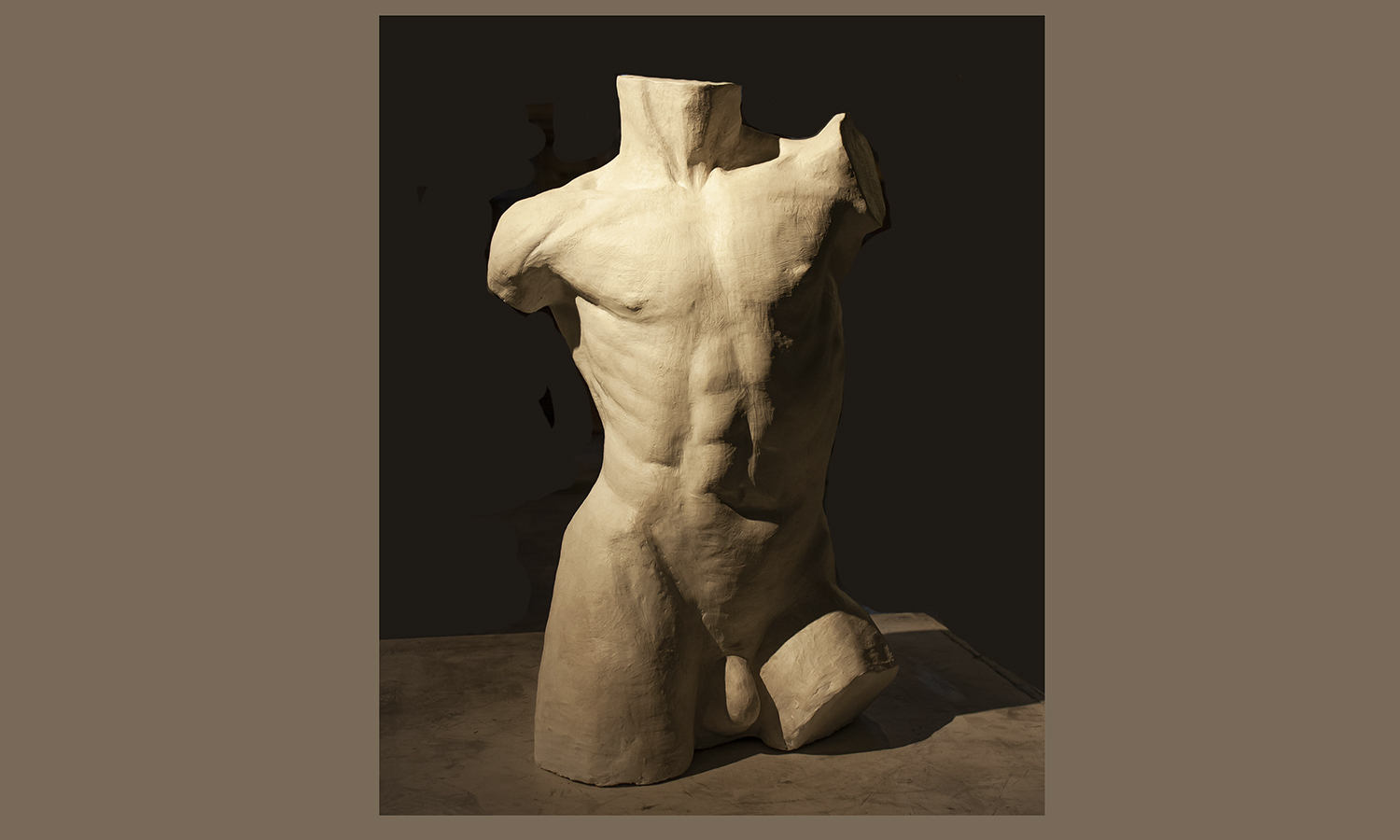 “Torso sculpture in rockite and plaster by Quinn Eighmey ’21. This piece was created during the Sculpture Workshop course taught this fall by Professor of Art and Architecture A.E. Ted Aub.
 -
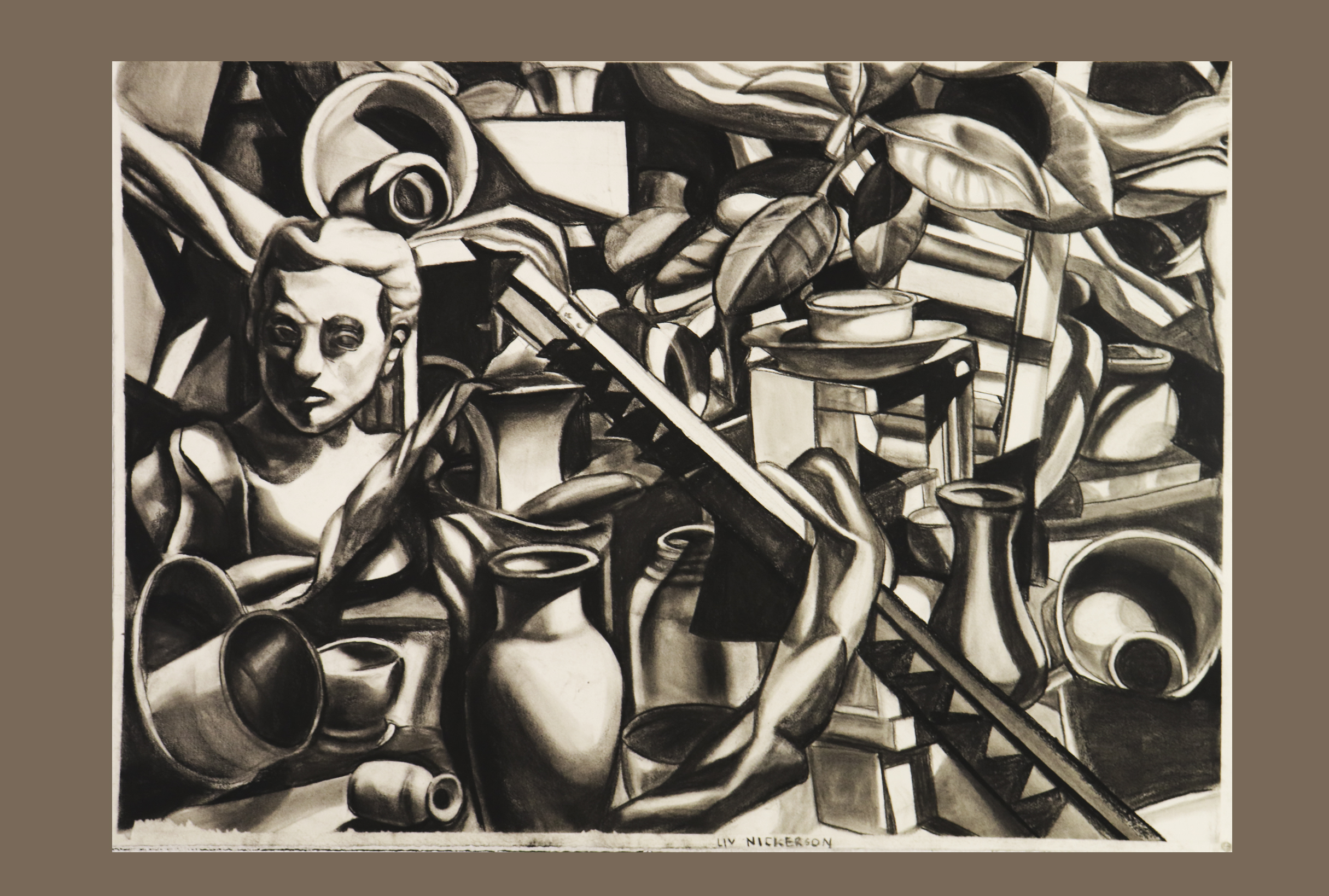 Untitled charcoal still life drawing by Liv Nickerson ‘23. This piece was created during the Intro to Drawing course taught this fall by Professor of Art and Architecture Phillia Yi.
 -
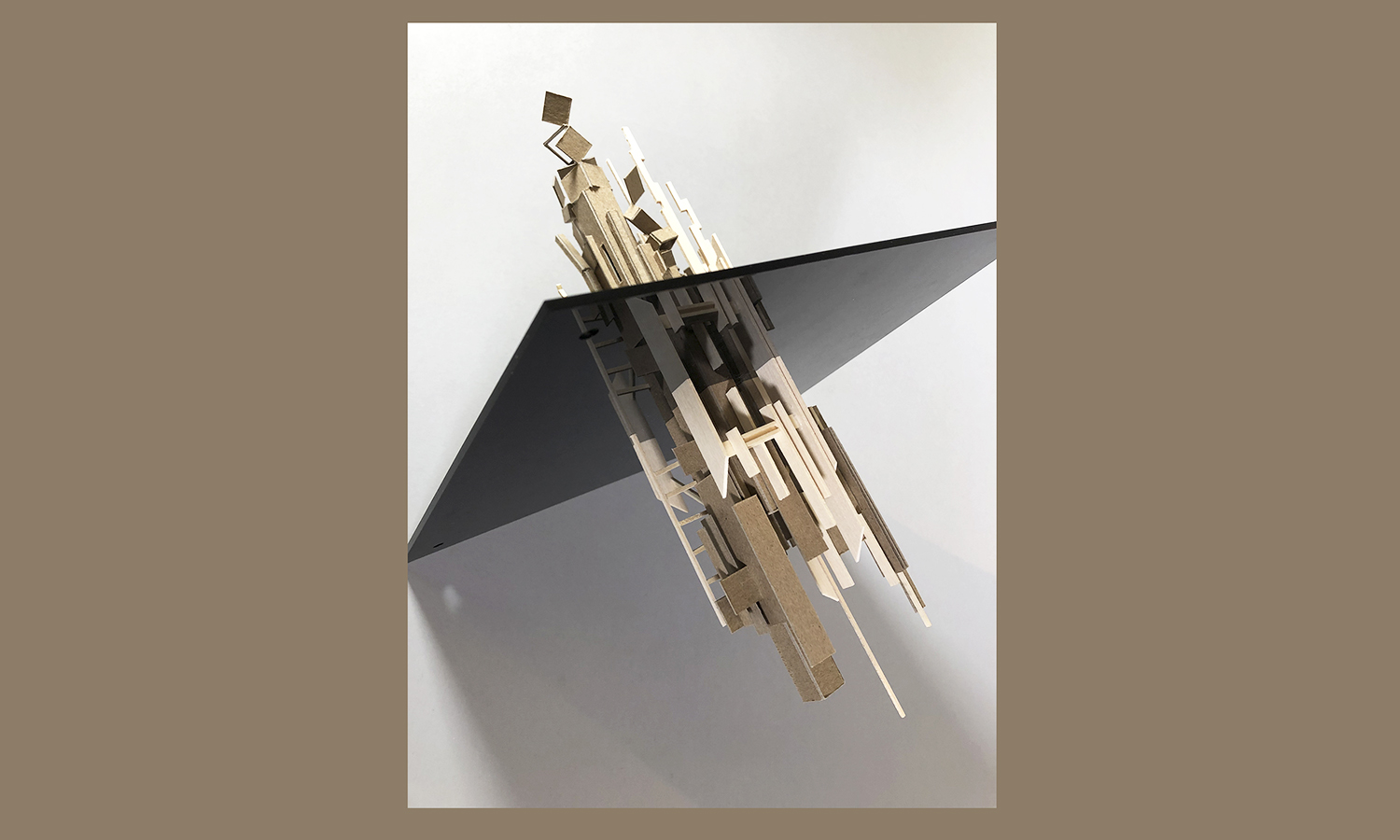 Transformations sculpture in wood, chipboard and plexiglass by Cade Cotter ’21. This piece was created during the Architectural Design Studio course taught this spring by Associate Professor of Art and Architecture Jeffrey Blankenship.
 -
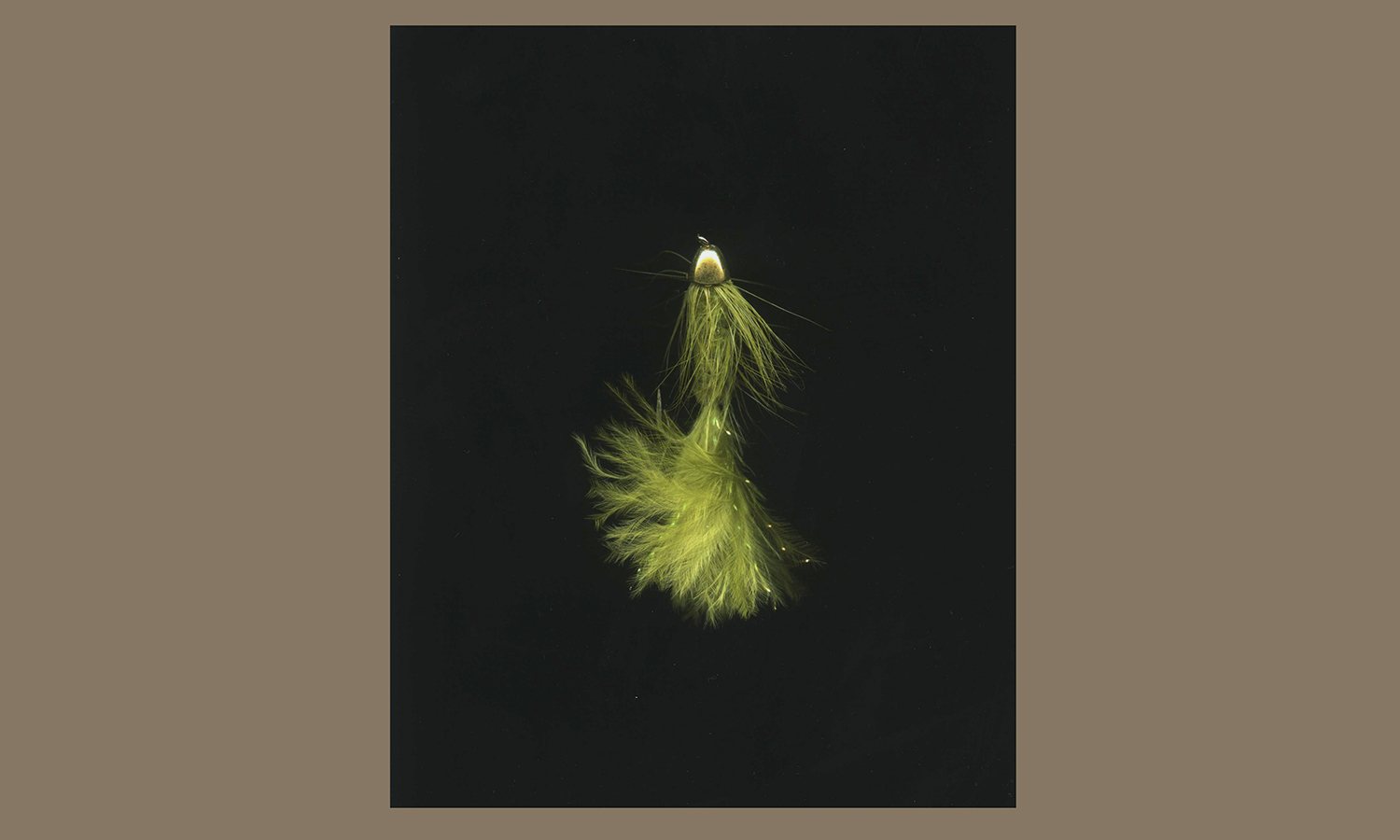 Untitled digital photography piece on archival pigment print by Hudson Cunningham Baker ’23. This piece was created during the Intro to Imaging course taught this fall by Assistant Professor of Art and Architecture Alysia Kaplan.
 -
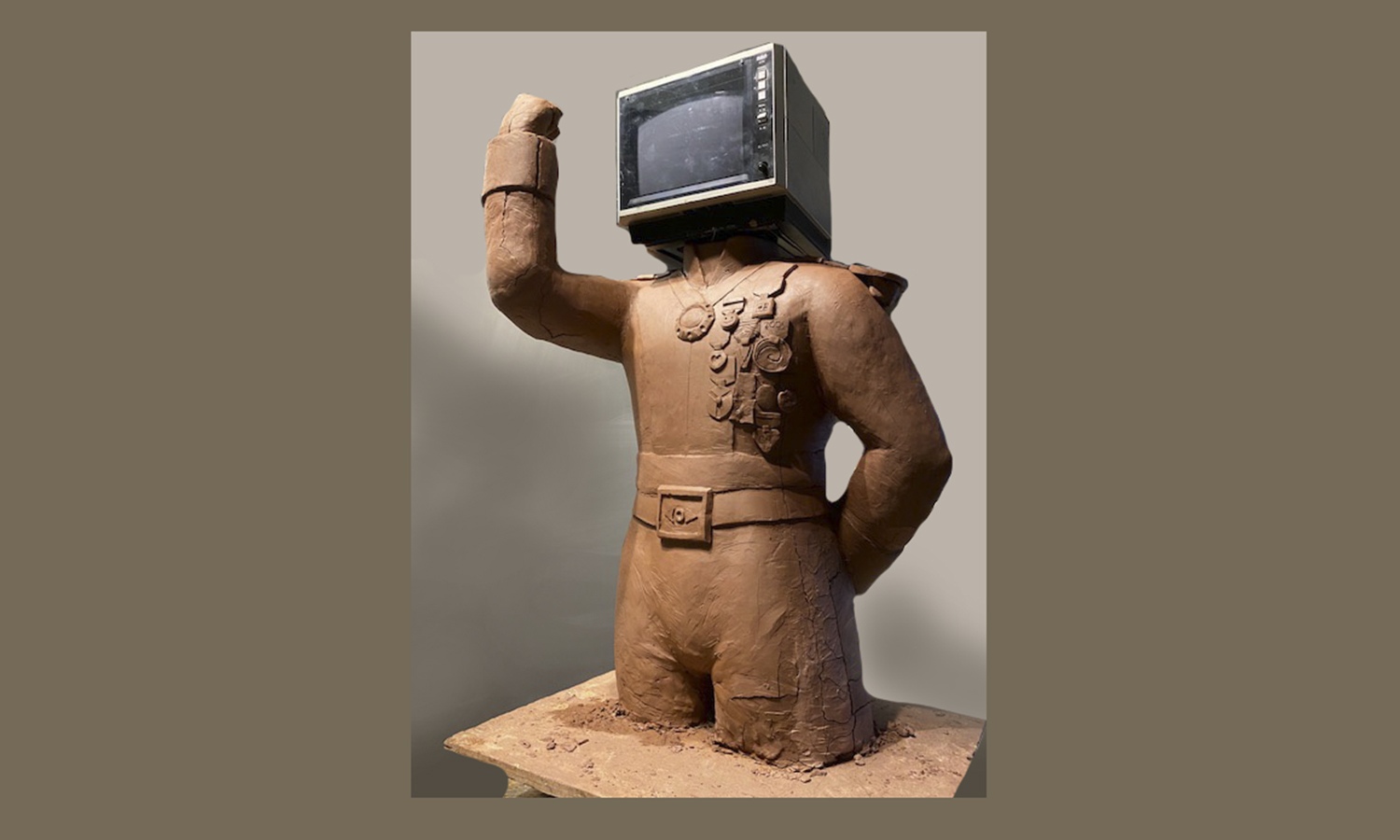 Despot sculpture of foam covered in clay with a metal support structure by Carlos Cruz '20. This piece was created during the Sculpture Modelling course taught this spring by Professor of Art and Architecture A.E. Ted Aub.
 -
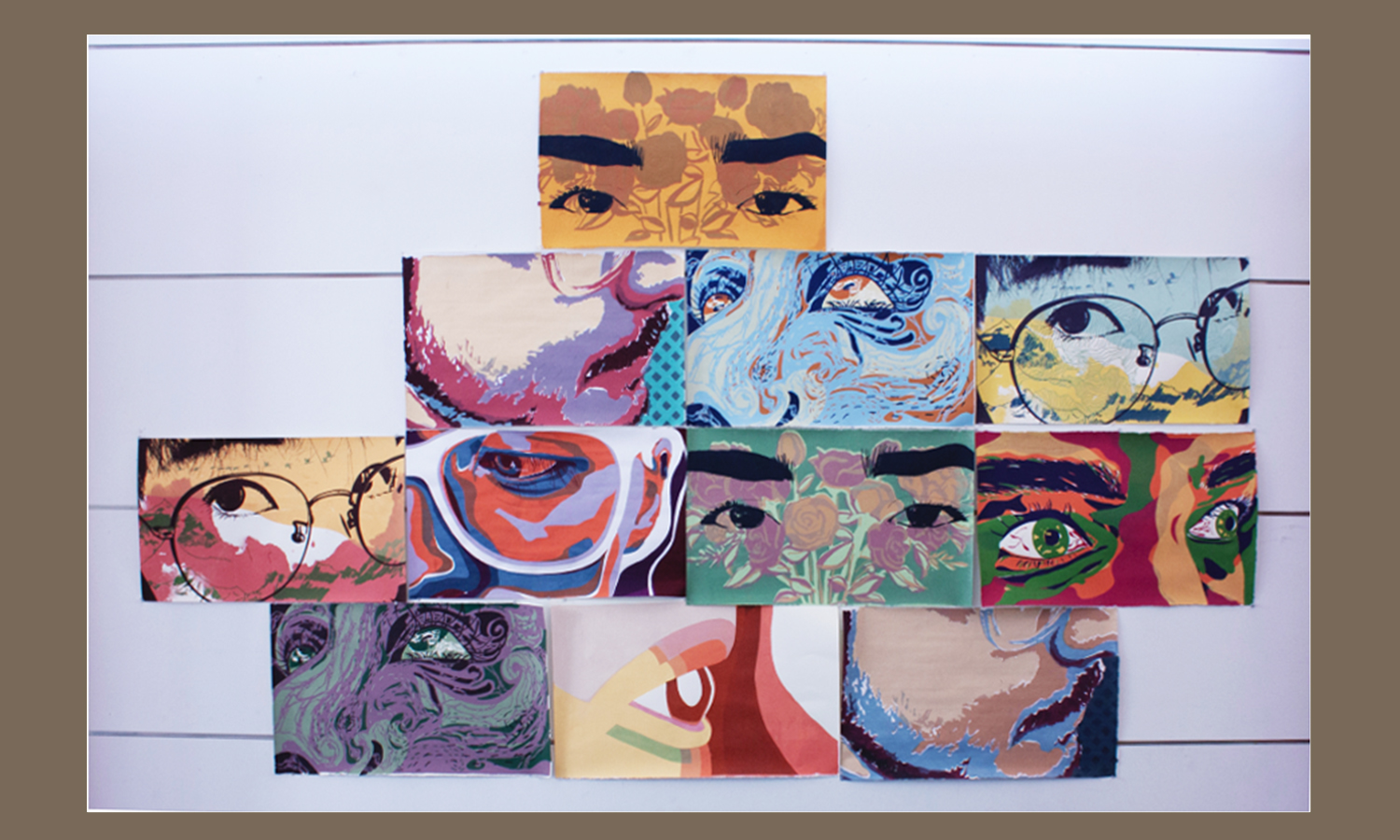 A group project screen print installation created during the fall Photo Screenprinting course with Professor of Art and Architecture Phillia Yi.
 -
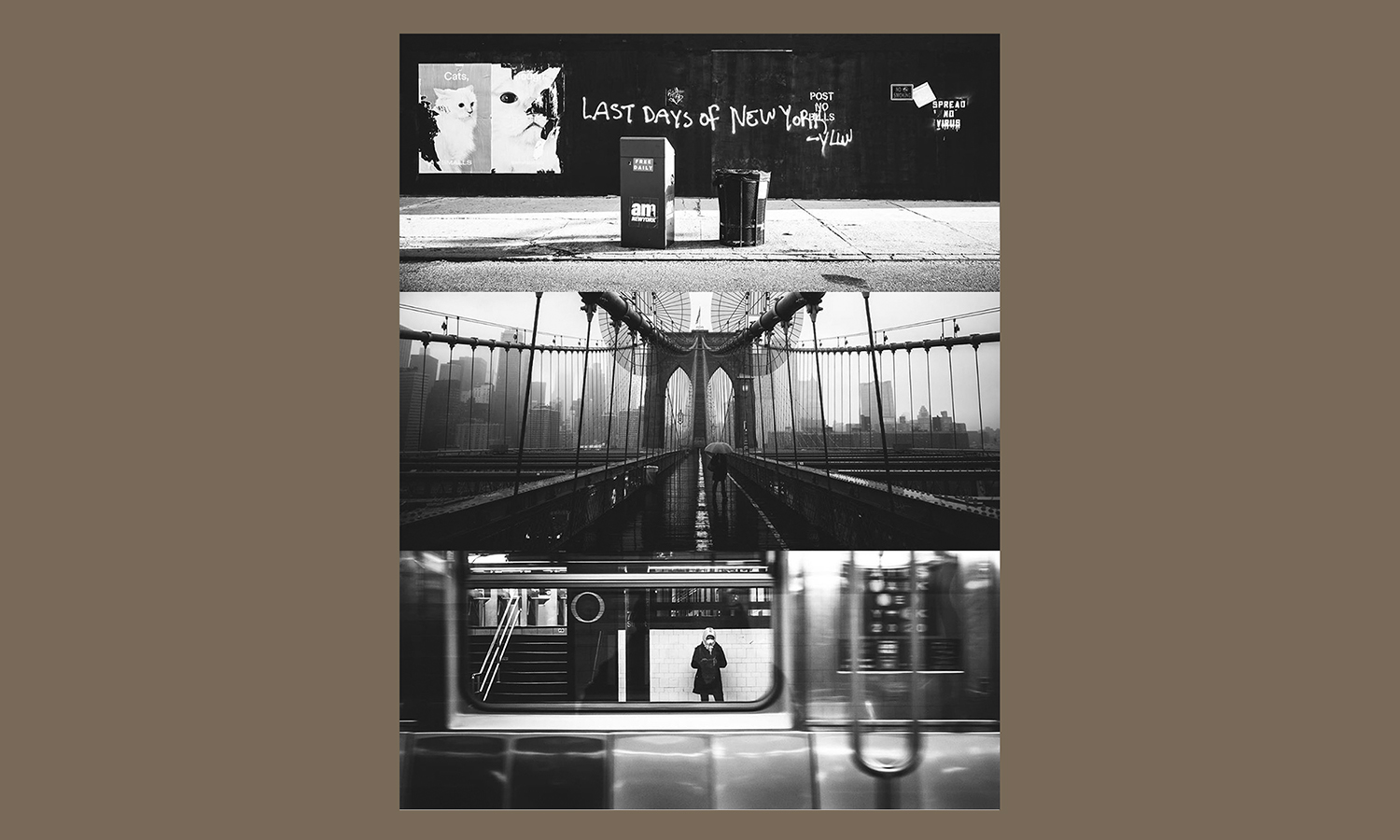 Untitled digital photography piece on archival pigment print by Amir Ahemedin ’20. This piece was created during the Imaging Workshop course taught this spring by Assistant Professor of Art and Architecture Alysia Kaplan.
 -
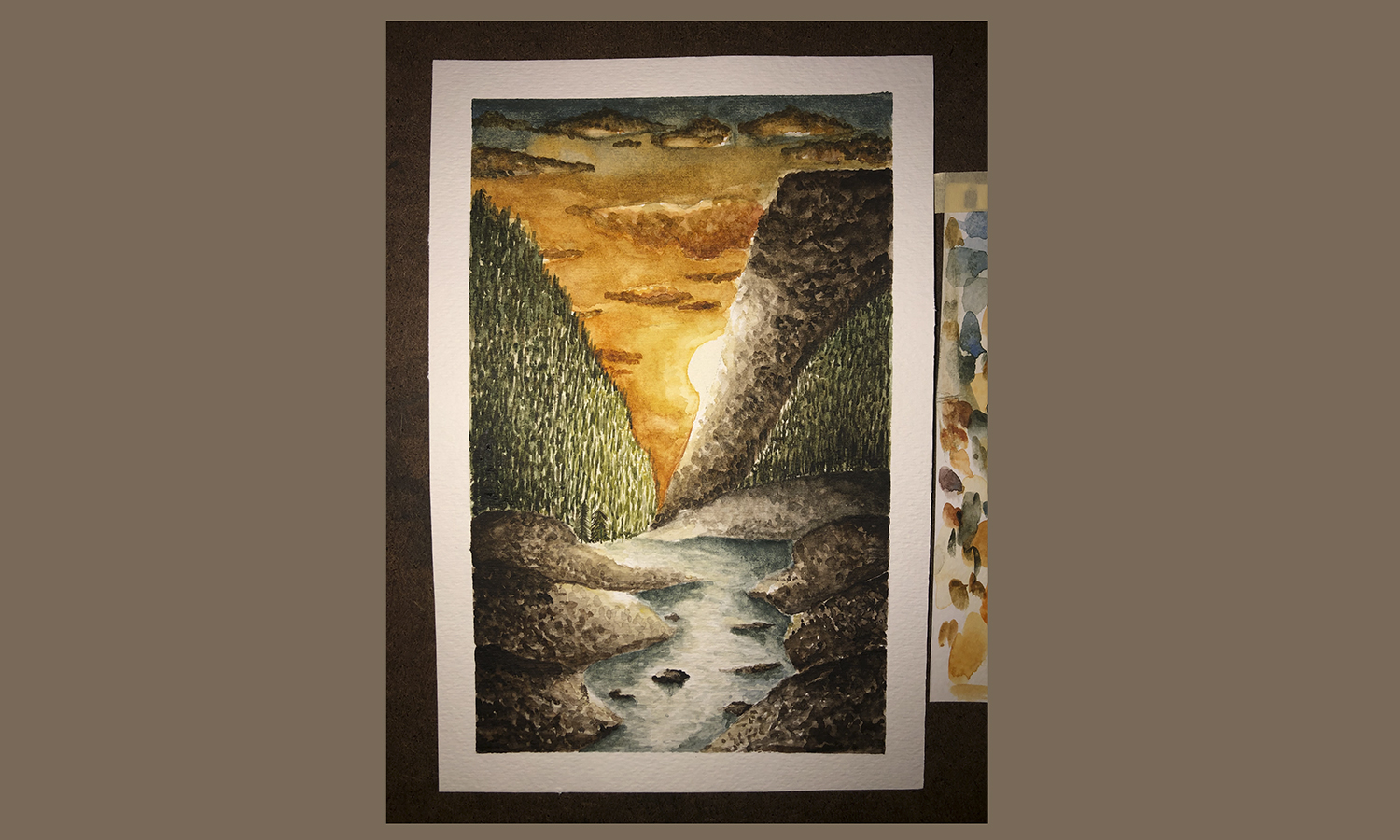 Untitled watercolor painting by Inez Nunez ‘20. This piece was created during the Watercolor Painting course taught this spring by Professor of Art and Architecture Michael Bogin.
 -
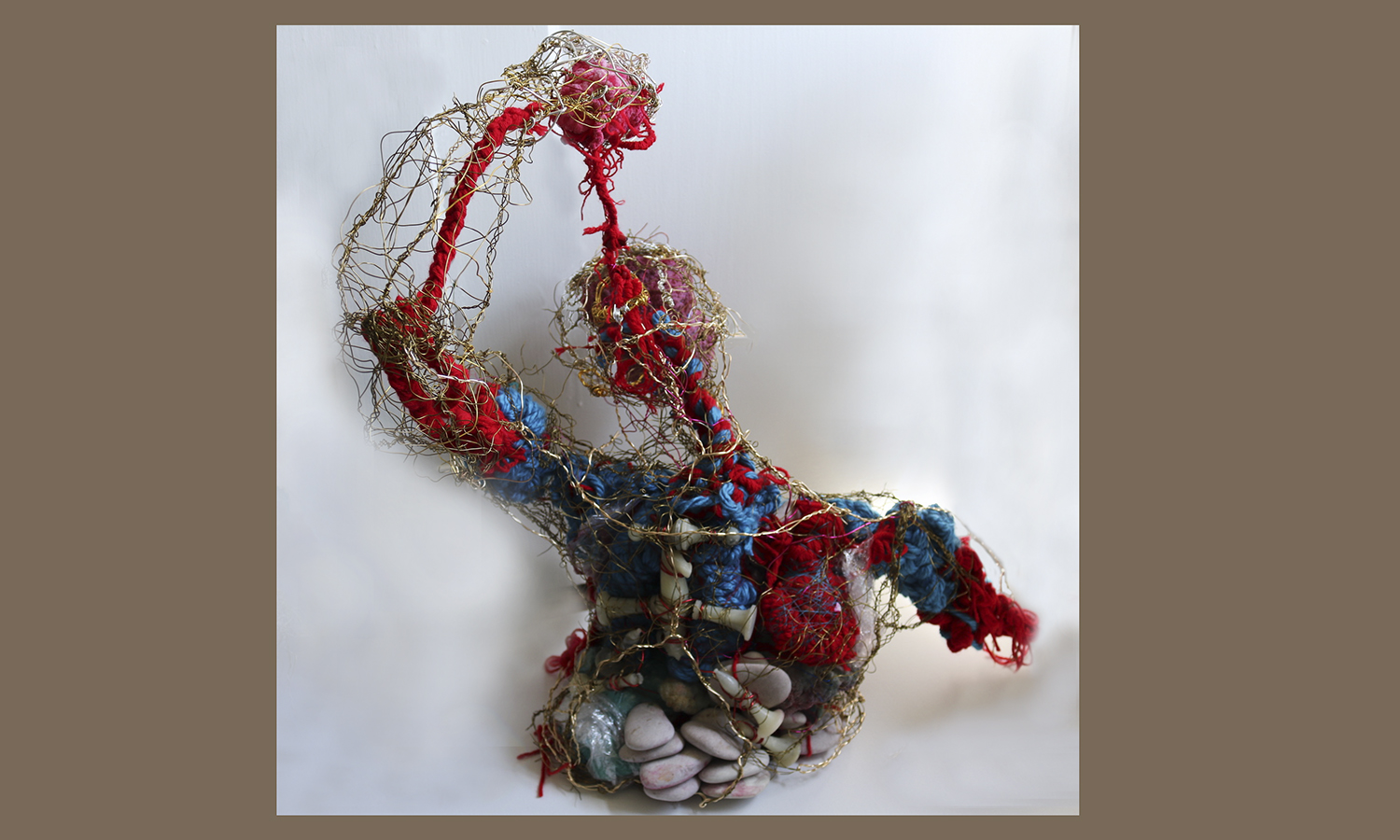 Untitled sculpture by Clare Kramer ’21. This piece was created during the Sculpture Modelling course taught this spring by Professor of Art and Architecture A.E. Ted Aub.
 -
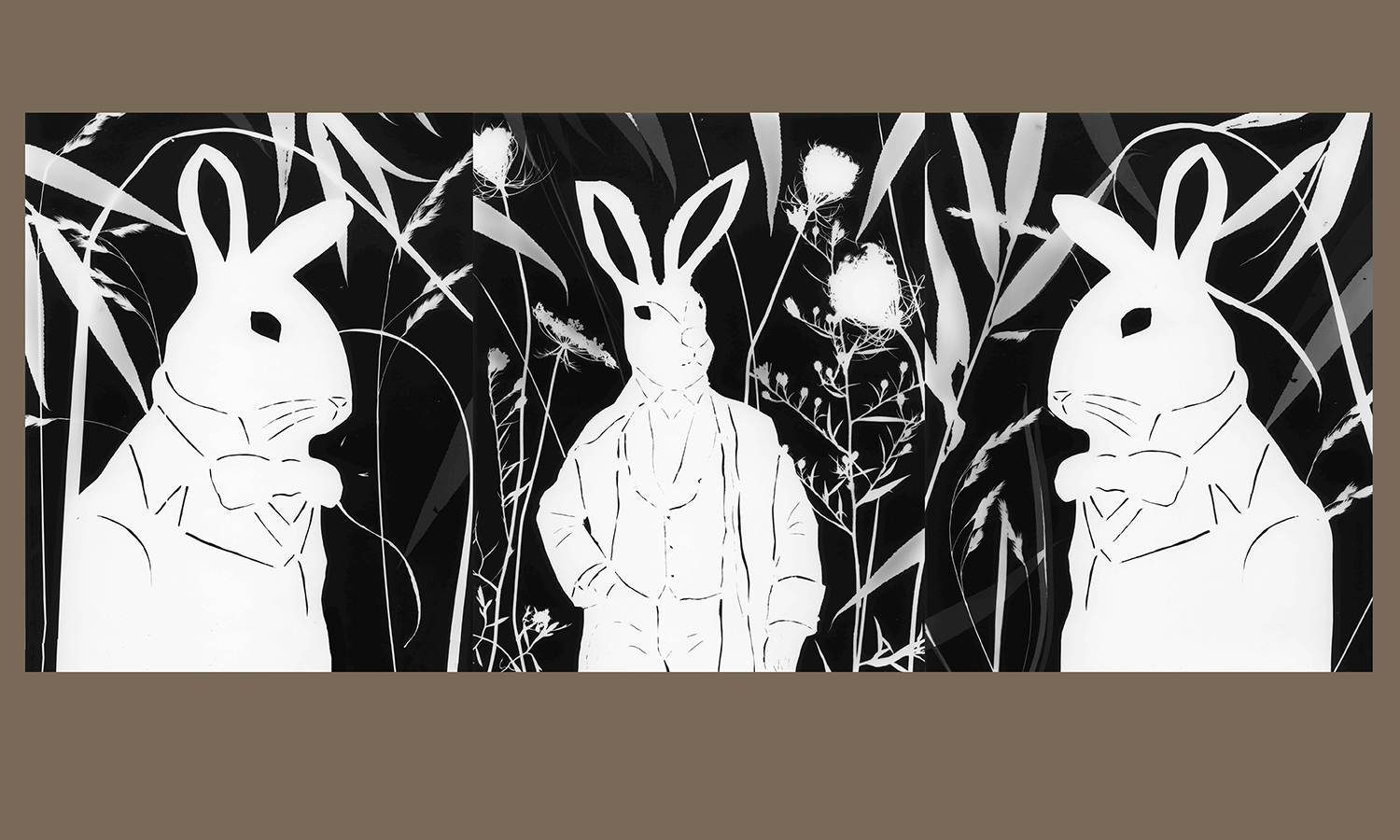 Rabbit Triptych silver gelatin print by Owen Feider-Sullivan ’21. This piece was created during the Intro to Imaging course taught this fall by Assistant Professor of Art and Architecture Alysia Kaplan.
 -
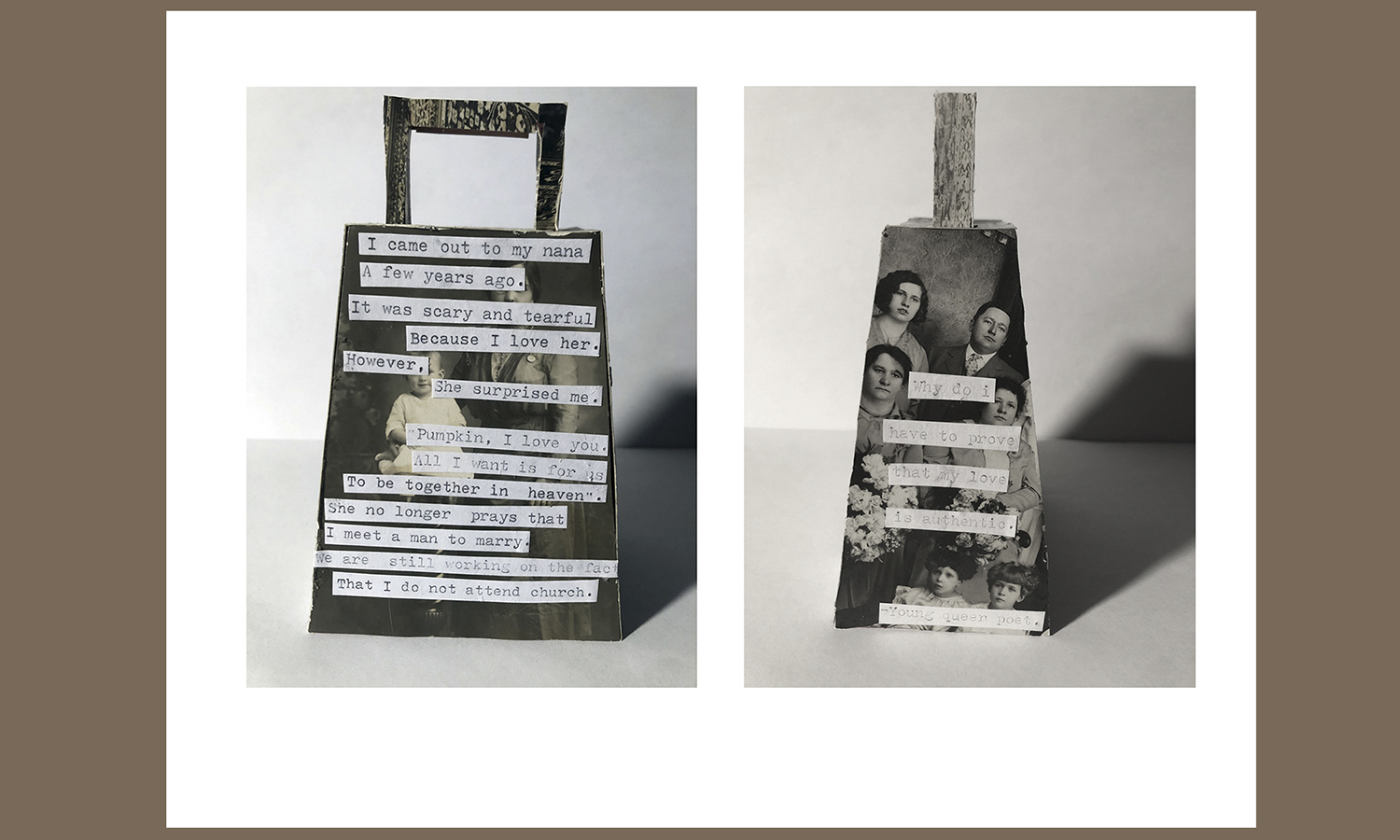 Small Town Queers collage sculpture by Grace Hammett ’20. This piece was created during the Imaging Workshop course taught this spring by Assistant Professor of Art and Architecture Alysia Kaplan. Hammett was the recipient of the 2020 Arthur Dove ’03 Art Award.
 -
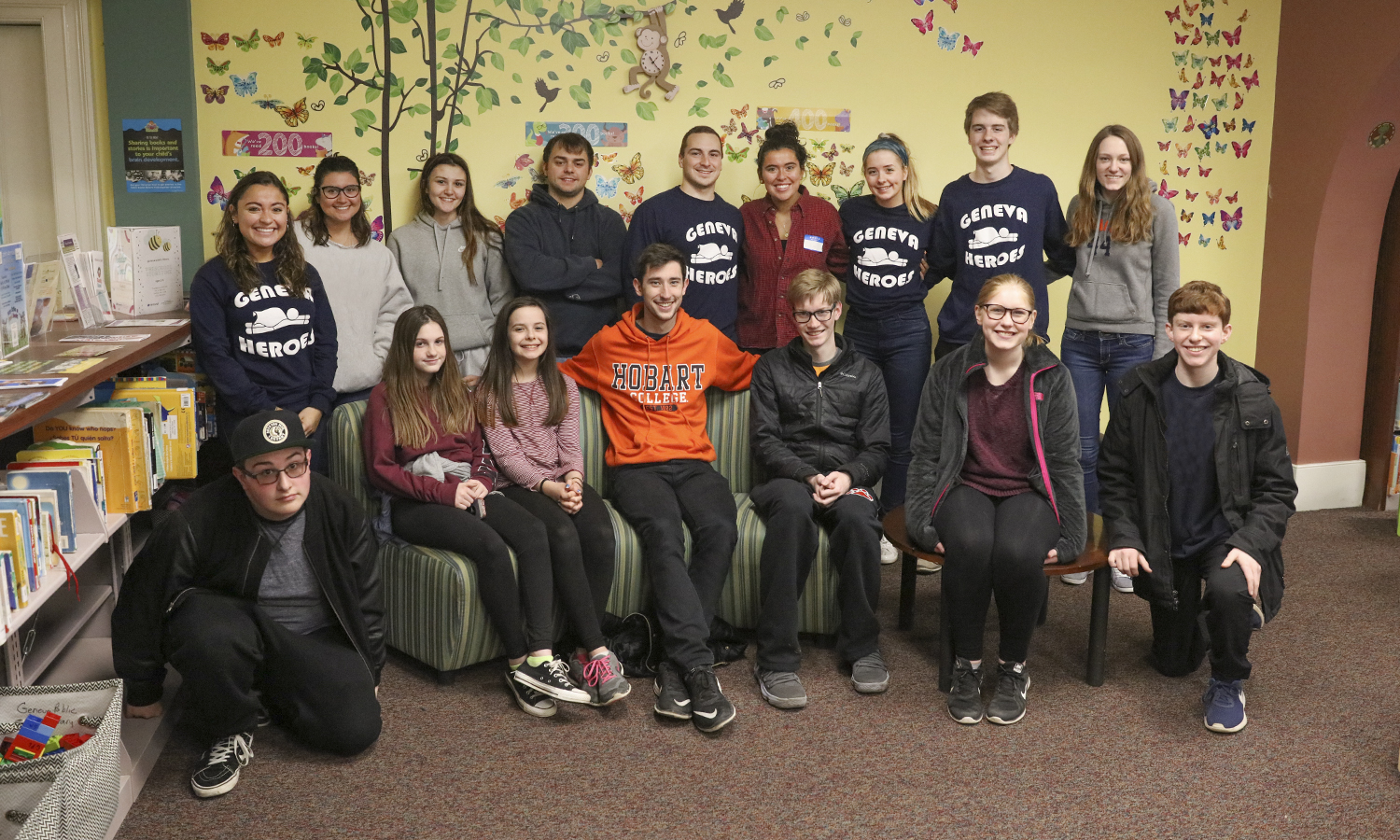 Members of Geneva Heroes gather for a group photo at the Geneva Public Library. Geneva Heroes is a mentorship program that pairs HWS students with students from the Geneva City School District.