HWS News
17 April 2026 The Ebbs and Flows
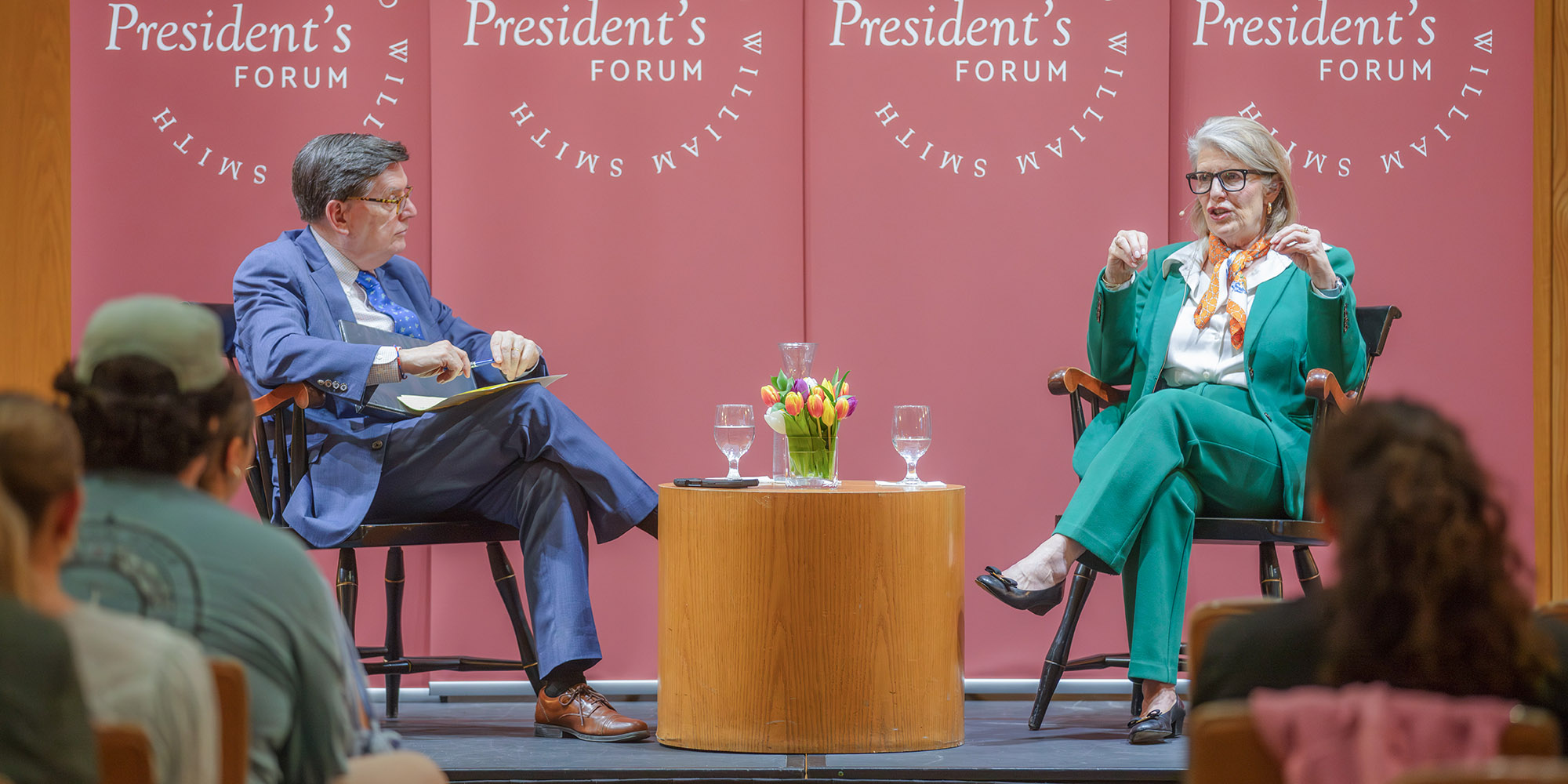
As part of Earth Week observances, New England Aquarium President and CEO Vikki Spruill P’12 spoke at the President’s Forum to share the state of the oceans and how the tributaries of her career converged in conservation.
The Gulf of Mexico’s viridian water and blinding white, quartz-grain sand — so fine it chirps underfoot — entranced Vikki N. Spruill P’12 as a teenager.
She discovered the oceanic basin after a childhood spent moving from country to country. When her father retired from the army and corporate America, their family decided to live near the water — a decision that made Spruill imagine a career as a marine biologist.
“As I look back at my career, I think I'm most amazed at the interconnectedness of all of it — how as you go through the process, it's sort of like the ebbs and flows of the ocean. You don't quite know when you're in it that it's actually going to pay off or how it all fits together, like a wonderful puzzle." New England Aquarium President and CEO Vikki Spruill P’12During her talk at the President’s Forum on April 15, the President and CEO of the New England Aquarium described sharing that dream with her high school science teacher and mentor.
“He told me there wasn't a place for women in science,” she recalled.
The sentence, which originally stopped her scientific aspirations, ultimately opened another door into science, driven by what she loved to do: frame and share information in a way people understand.
“Science alone cannot create change,” Spruill told a roomful of students, faculty and community members in the Scandling Center. “I respect and admire all of you in this room who are scientists, but real impacts only happen when science gets translated into policy, when communities understand what’s at stake and when the public is actively engaged in the solutions.
“That idea guides everything I do and everything we do at the New England Aquarium.”
The Aquarium welcomes 1.3 million visitors annually, but it’s also a nonprofit research and conservation organization protecting animals in their care — and the wild. Spruill likened her work there as weaving threads from her philanthropy, conservation and communications work.
Friday, April 17, 2026
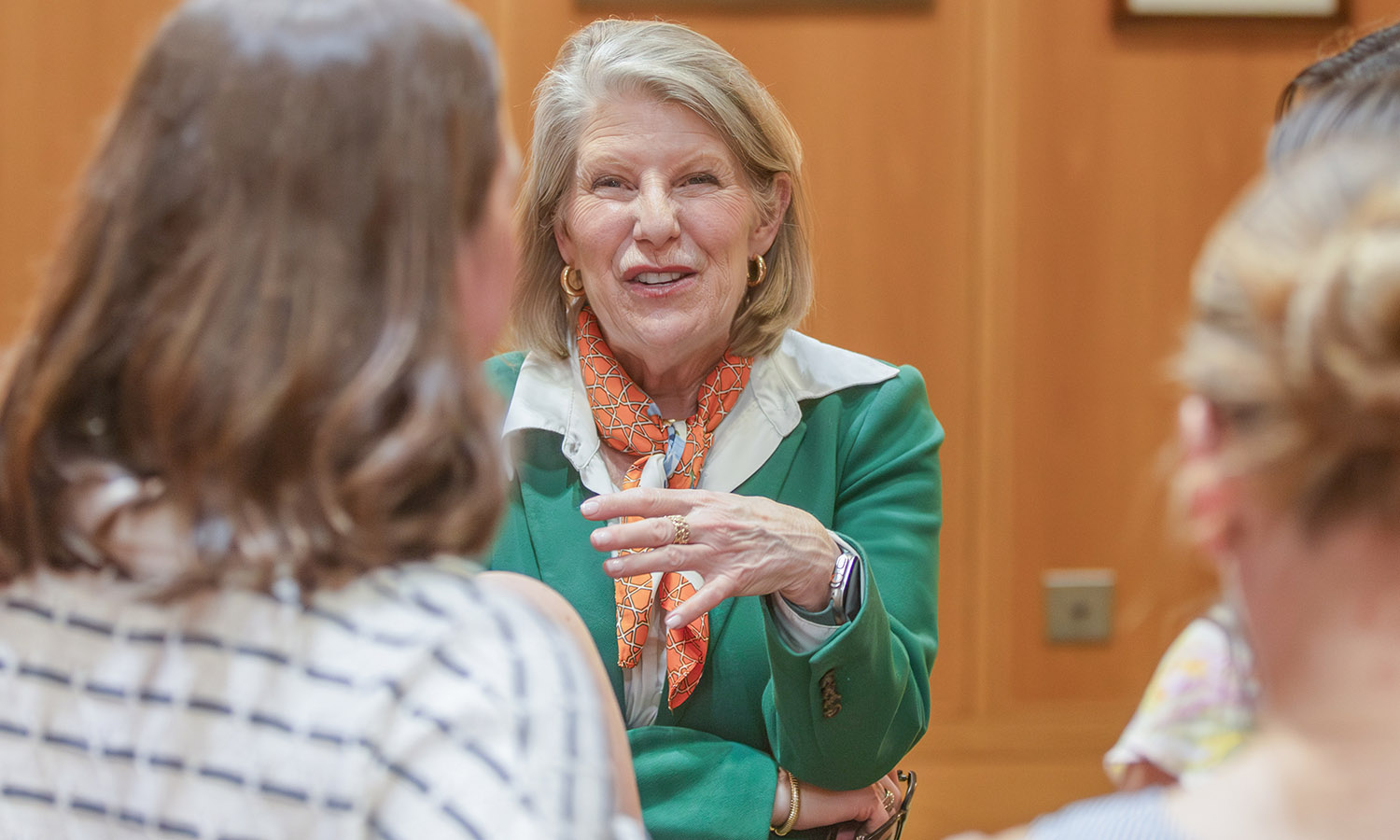
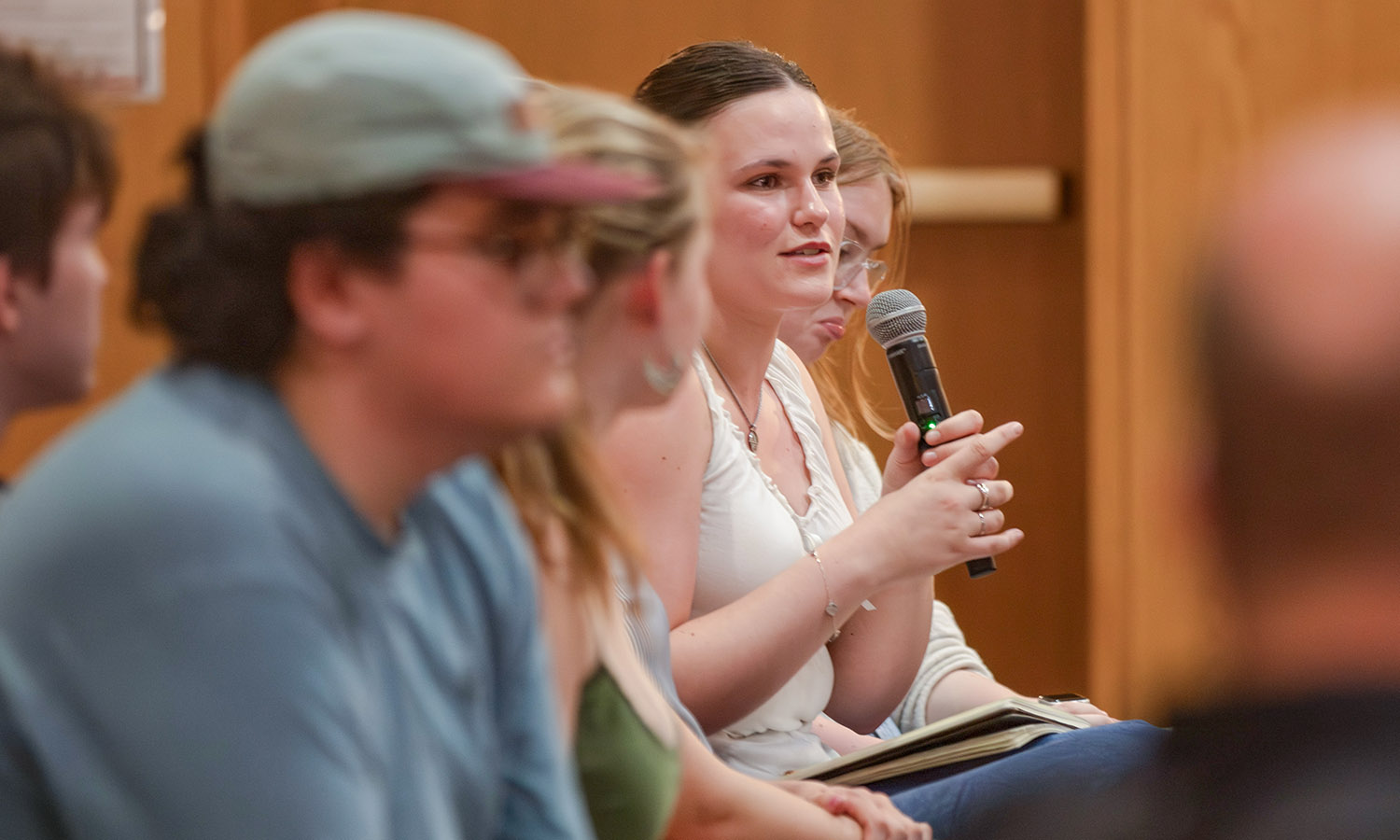
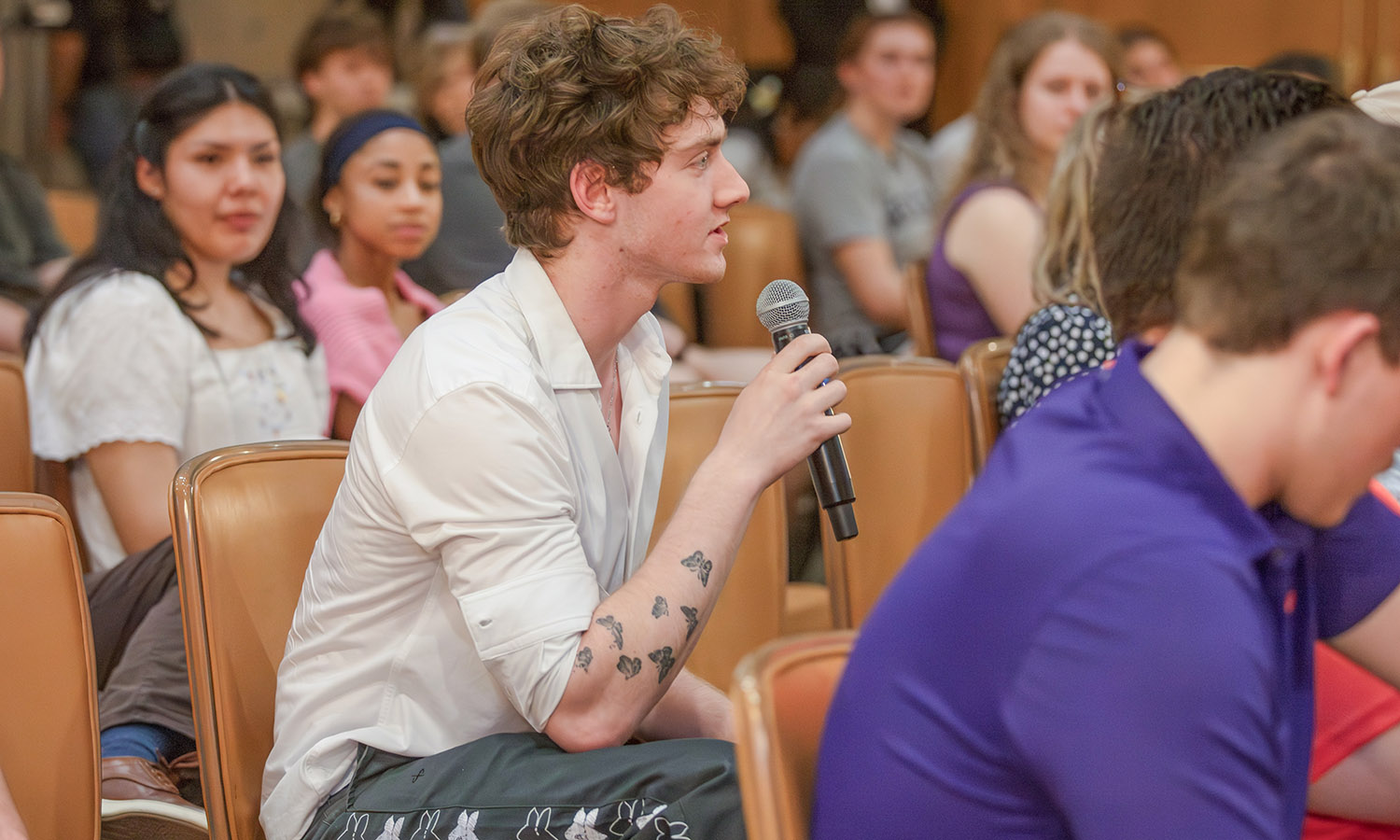
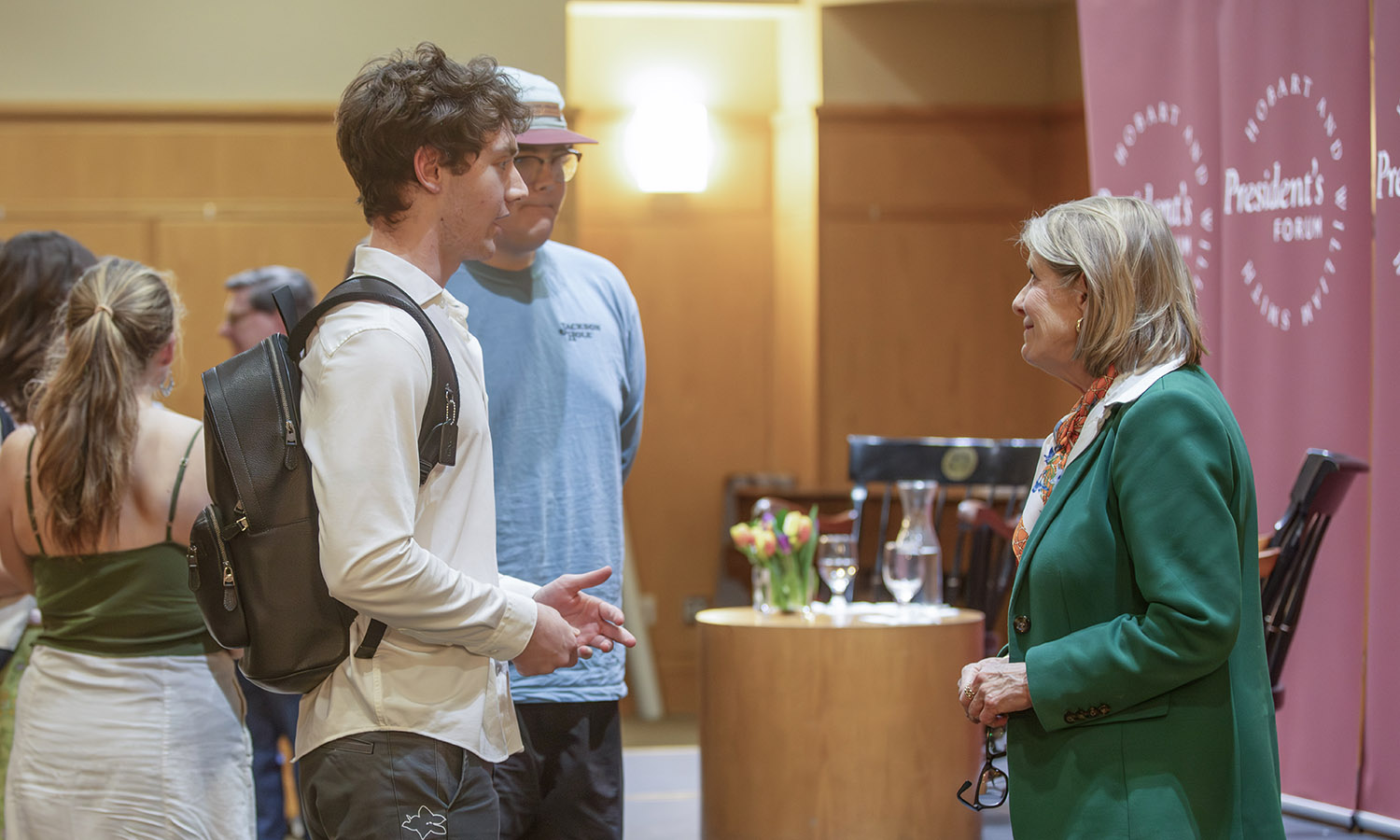
“The ocean is fundamental to life on Earth. It drives our climate; it feeds billions of people. It produces more than half the oxygen we breathe: Every other breath we're taking in this room tonight comes from the ocean. And at the same time, the ocean is quietly working to stabilize our climate,” Spruill said.
“The ocean has a big job to do. It absorbs about a quarter of the carbon dioxide we produce and more than 90% of the excess heat trapped in our atmosphere. But that incredible capacity comes at a cost.”
And in the United States, Spruill noted, progress we made in conservation has been lost.
“There’s been a 10- or 15-year setback, maybe longer, and so it's really up to you all to reinvent some of this work based on what we've learned from the past,” Spruill said. “I think there's going to be another wave of the Clean Air Act and all these big landmark acts. They were already starting to be outdated…It's going to take a whole new set of minds and approaches and ideas to start it over again. Be ready for it.”
In response to a question about which countries are doing the right things in response to climate change and which are not, Spruill said, “I can safely say that even most of the bad players globally are doing better than we are.”
Policies can no longer keep pace with the rate at which waters are warming, habitats are shifting and coastlines are eroding. Through its outreach, research, conservation work and its location, the Aquarium has a front-row seat.
Situated on Boston’s downtown waterfront, where flooding occurs every king tide and every full moon, Spruill said: “It’s like a mini-Venice, and people aren’t talking about it.” The first floor of the Chart House restaurant next door to the Aquarium, Spruill said, floods regularly. “And if we can't do what we need to do to shore up the downtown waterfront, $3.9 billion of work and businesses behind us will suffer.”
As the event closed, President Mark D. Gearan returned to Spruill’s uncertain beginnings in her career.
“I was struck and grateful in your opening remarks when you talked about your own journey and imposter syndrome,” he said. “We have students going out into the world, and I think everyone has experienced (imposter syndrome) to some degree. There are some upsides, but it can also hold people back. What’s your advice?”
She answered: “When you pursue a field like communications or policy, that in some circles is not considered a real discipline, I think it's easy to have that imposter syndrome because you're not an expert in one specific thing, and that's where mine came from.
“On the other hand, I think those people are the same ones who can be the connectors, who see the gaps, who can thread the needle,” she said.
Those are the people who can weave the threads.
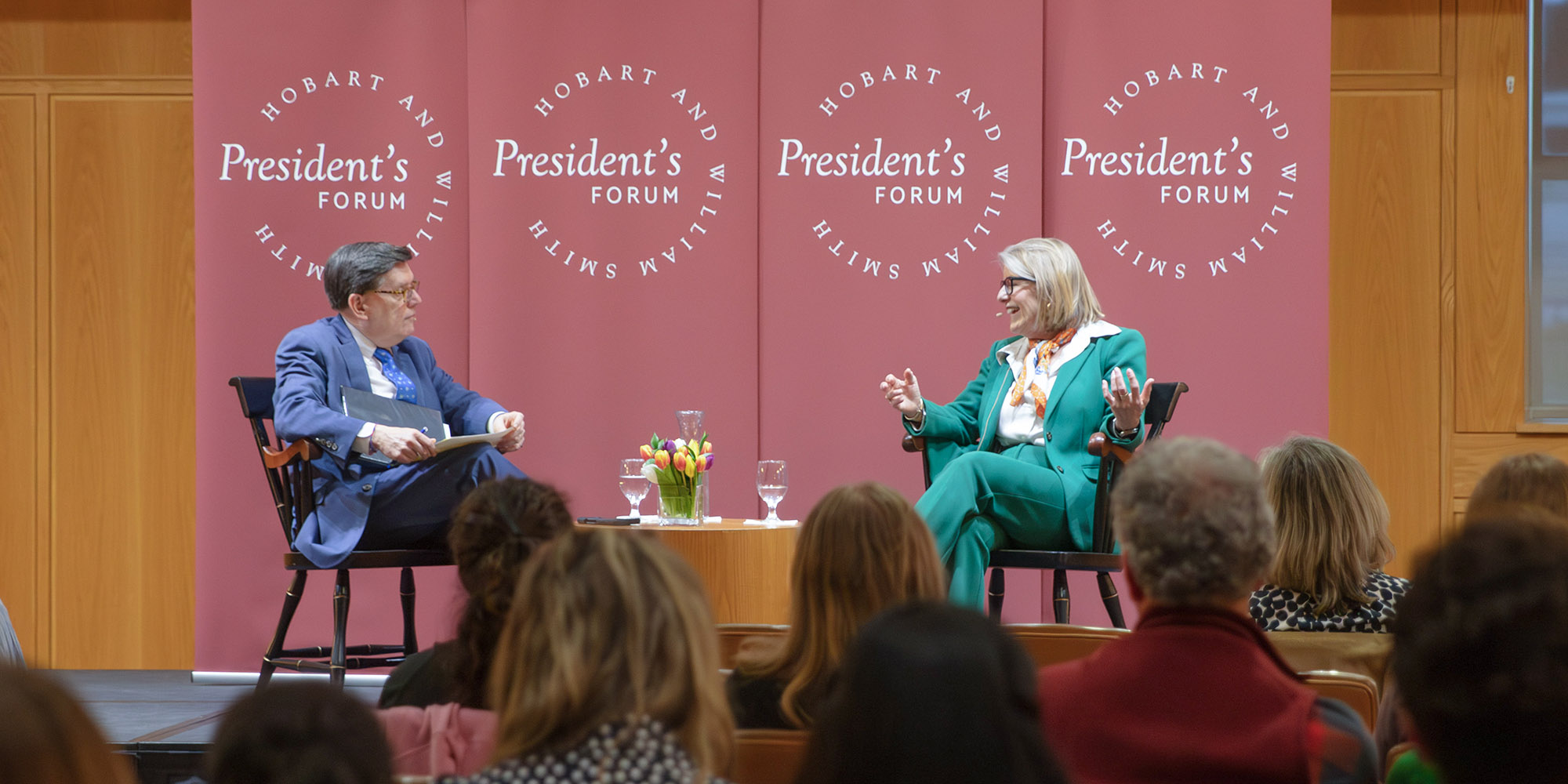
Top: President Mark D. Gearan and New England Aquarium President and CEO Vikki Spruill P’12 discuss the state of the oceans at the President’s Forum.