
Perspectives on Policing
10 February 2021 Perspectives on Policing
During an intensive course over winter break, HWS students looked through a sociological lens at the practices, trends, challenges and controversies of policing in the U.S.
Associate Professor of Sociology Jim Sutton, an expert on criminology, guided students through a detailed examination of the nations law enforcement principles and practices. Sociology of Police and Policing, part of the CollegesrigorousJ-Term,offered a view of contemporary policing from a range of perspectives, with historical context, insights from law enforcement professionals, and explorations of issues at the forefront of the national dialogue: police accountability and reform, use of force, social movements and discretion in the justice system.
It was unlike any other course offered here at the Colleges, says sociology major Emma MacShara 22. Taking a course about police and policing seemed not only like a really interesting and invaluableexperience, but I alsothought it would be a great opportunity to educate myself on a topic that has been gaining a lot of attention in recent years.
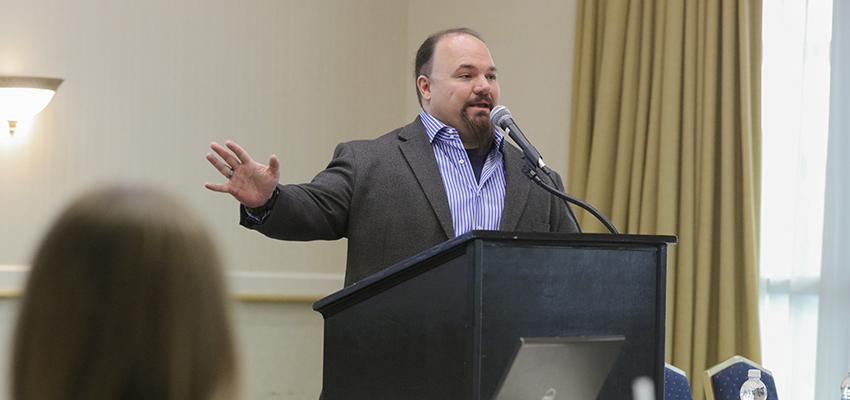
During the two-week course, 10 guest speakers joined class meetings, bringing a diverse range of personal insights and professional expertise, including a defense attorney, a community youth advocate,a former member of the Black Panthers, and a champion pistol shooter who spoke about the challenges of shooting accurately.
Guests from the extended HWS community included: Stephen Hill 07, now an assistant professor at Nazareth College, who talked about his appliedwork in the area ofpolice psychology; Associate Vice President for HWS Campus Safety Marty Corbett, who shared his experience as a former captain and operations division manager for the Irondequoit Police Department; Sasha Borenstein 14, who reflected on her work as an officer with the Los Angeles Police Department; and Fisher Center Fellow Jessica Farrell, who discussed local efforts to establish a police accountability board in Geneva.
While examining these issues using law enforcement perspectives, the course also explored systematic forms of police discretion that reflect and reinforce disparities pertaining to race, class, gender and other dimensions of social stratification, Sutton says, underscoring the wide scope of social issues that intersect policing.
Between guest speakers, the courses collaborative projects and learn[ing] so much in such a short period of time, MacShara says she would not just recommend this class to others, but would recommend taking any J-Term class if theyre able to. Its a great, intensive experience, and definitely worth it!