HWS News
3 November 2026 Exploring Queer Sabbath Symbolism
Gleibman’s latest research examines how Jewish writers have reimagined traditional Sabbath symbolism to explore queer relationships, marriage and family.
Postdoctoral Fellow of Judaic Studies Shlomo Gleibman published an article examining how Jewish literature engages with and reimagines the traditional symbolism of the Sabbath as a “bride.”
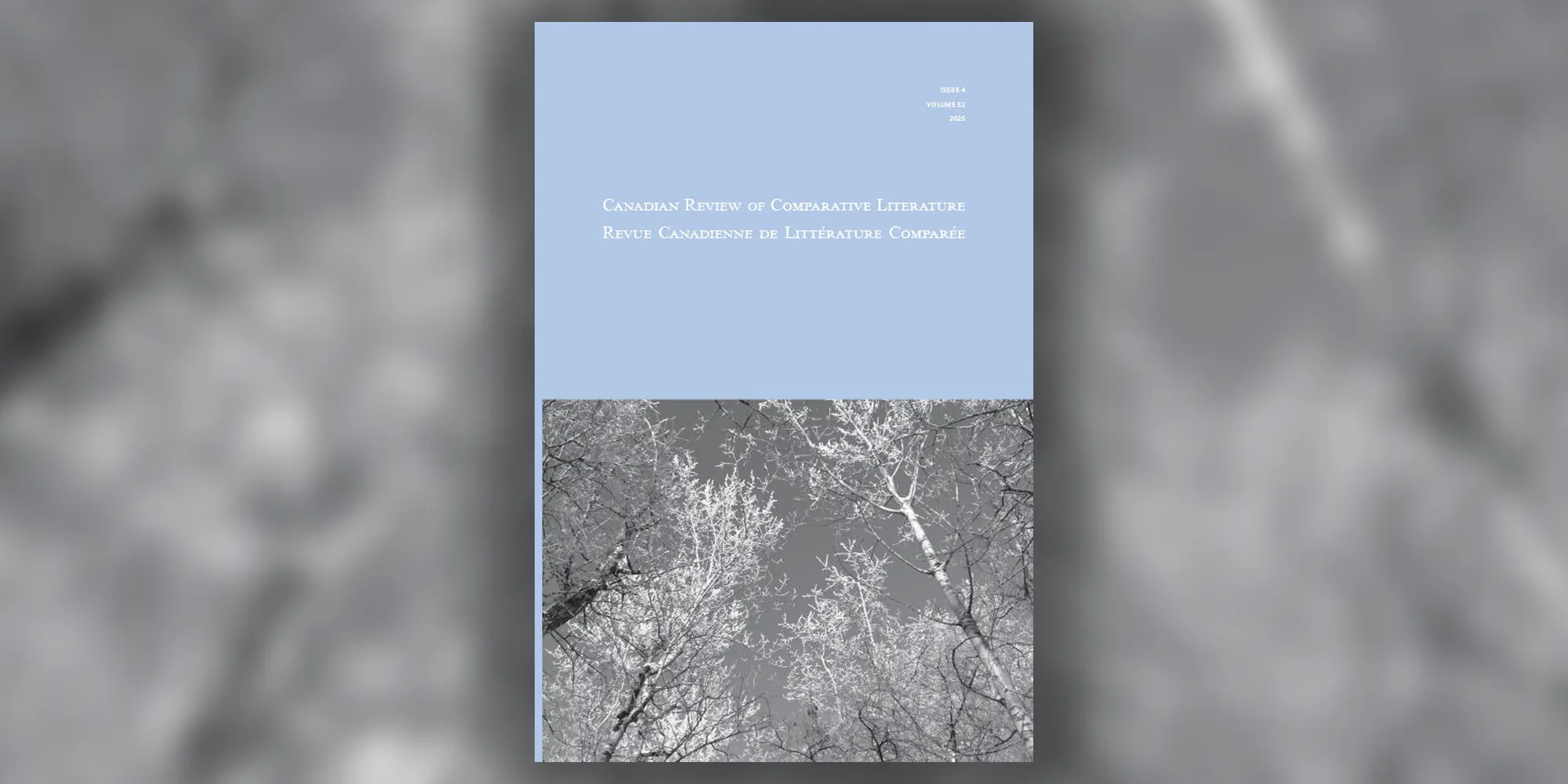
“‘As a Sabbath Bride’: Queering Sabbath Symbolism in Jewish Literature” appears in Volume 52, Issue 4 of The Canadian Review of Comparative Literature.
Drawing on Jewish religious texts as well as 20th- and 21st-century fiction, Gleibman’s work traces the Sabbath’s longstanding associations with marriage, domestic life and eroticism. He shows how contemporary writers have reimagined that symbolism to explore queer relationships and alternative understandings of marriage and family.
The Canadian Review of Comparative Literature is an interdisciplinary, double-blind-peer-reviewed literary journal that serves as a platform for scholars to consider literature alongside broader questions of culture, society and human expression, as Gleibman’s work does.
Gleibman joined the Hobart and William Smith faculty this year, after teaching courses on Judaism, world religions, gender and sexuality at York University in Toronto and King’s University College in London, Ontario, Canada. He has authored dozens of publications for academic and general audiences alike and has served as guest editor for The Canadian Review of Comparative Literature.
Top: Cover of The Canadian Review of Comparative Literature Volume 52, Issue 4