HWS News
13 May 2026 Dunn Featured in Coverage of Belfast and Brazil Punk Scenes
Professor of International Relations Kevin Dunn’s new book launched with an event covered by The Belfast Telegraph. He was also recently quoted in The Guardian on Brazil’s resurgent punk scene.
While leading HWS’ Galway study abroad program in Ireland this semester, Professor of International Relations Kevin Dunn was featured in The Belfast Telegraph for his recent book launch in Belfast.
Released on March 19, Stiff Little Fingers' Inflammable Material examines the cultural and political impact of Stiff Little Fingers’ groundbreaking 1979 punk album Inflammable Material as part of Bloomsbury’s acclaimed 33 ⅓ series.
The book explores how the Northern Irish band’s debut album became both a product of, and response to, The Troubles, the decades-long period of political violence in Northern Ireland that claimed more than 3,500 lives between the 1960s and 1990s.
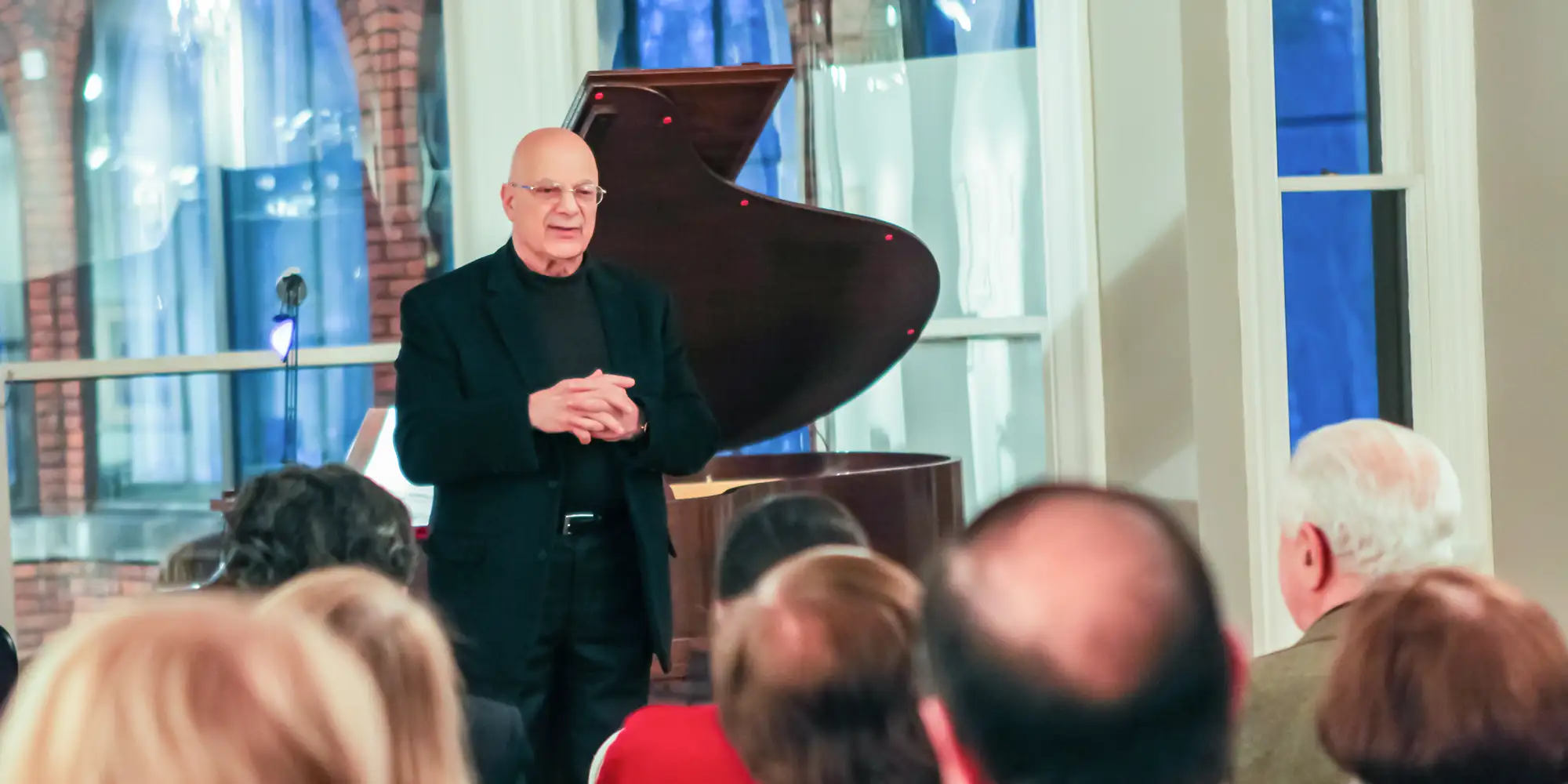
At the Oh Yeah Music Centre, Dunn read passages from the book during an event that brought together former members of Belfast punk bands and music writer Stuart Bailie to reflect on the legacy of the city’s punk scene, which was both culturally transformative and deeply shaped by the violence and tensions of its time.
Dunn says Belfast hosted one of the most consequential punk scenes in the world, creating a non-sectarian space. “Punk is a measuring stick for how music changed things. These guys have opened up about how their lives were changed by music. Did it end sectarianism? No. But there were consequences, in terms of independent cultural production and political importance,” Dunn says.
The event concluded with live performances, including Brian Young, formerly of RUDI and now with Sabrejets, and Henry Cluney, formerly of SLF and now with XSLF, performing together publicly for the first time in 50 years.
Dunn has examined punk scenes from South Africa to Indonesia. He was also recently quoted in a Guardian article titled, “We feel angry – and we have reason to be’: Brazil’s resurgent punk scene is a howl of outrage at injustice.”
The article explores the resurgence of Brazil’s punk scene as a response to inequality, violence and political frustration in contemporary Latin America. Centered on the Rio de Janeiro punk band Repressão Social, the piece argues that punk remains a vital outlet for anger and resistance among marginalized communities.
“The global south has really embraced punk culture as a way to respond to their own individual and local contexts,” Dunn says. “I suspect it’s outlived and gone global more than most people would probably have expected from the outset.”
He describes the movement as “a response to the stultifying, oppressive aspects of life” and frustration with social conservatism, unemployment and the unfulfilled promises of modernization. “There was a lot of discontent and what punk did was [capture] the forms of alienation that people felt … where the forces of life – economic, political, social – they’re all up there beating down on you … [Punks thought]: The world is shit and … we’re gonna push back.”
Dunn has written extensively on international relations theory, African politics and punk rock around the world. His research focuses primarily on the African Great Lakes Region — Uganda, Rwanda, Burundi, Congo and Tanzania — and issues concerning security, development, regionalization, globalization and international relations.
He is the author of nearly a dozen books, most recently Vicious is My Middle Name, a 2023 Whirlpool Book Award winner and finalist for Juvenile Fiction in the 2022 Foreword INDIES Book of the Year Awards. Other works include Inside African Politics (second edition, 2019), Africa’s Insurgents: Navigating an Evolving Landscape (2017, co-edited with Morten Bøås) and Global Punk: Resistance and Rebellion in Everyday Life (2016). He has taught at Hobart and William Smith since 2001.