HWS News
20 August 2026 Dahouda Publishes on Aimé Césaire, America, and Black Consciousness
Dahouda explores Césaire’s engagement with the Harlem Renaissance and representations of race, identity and Black consciousness.
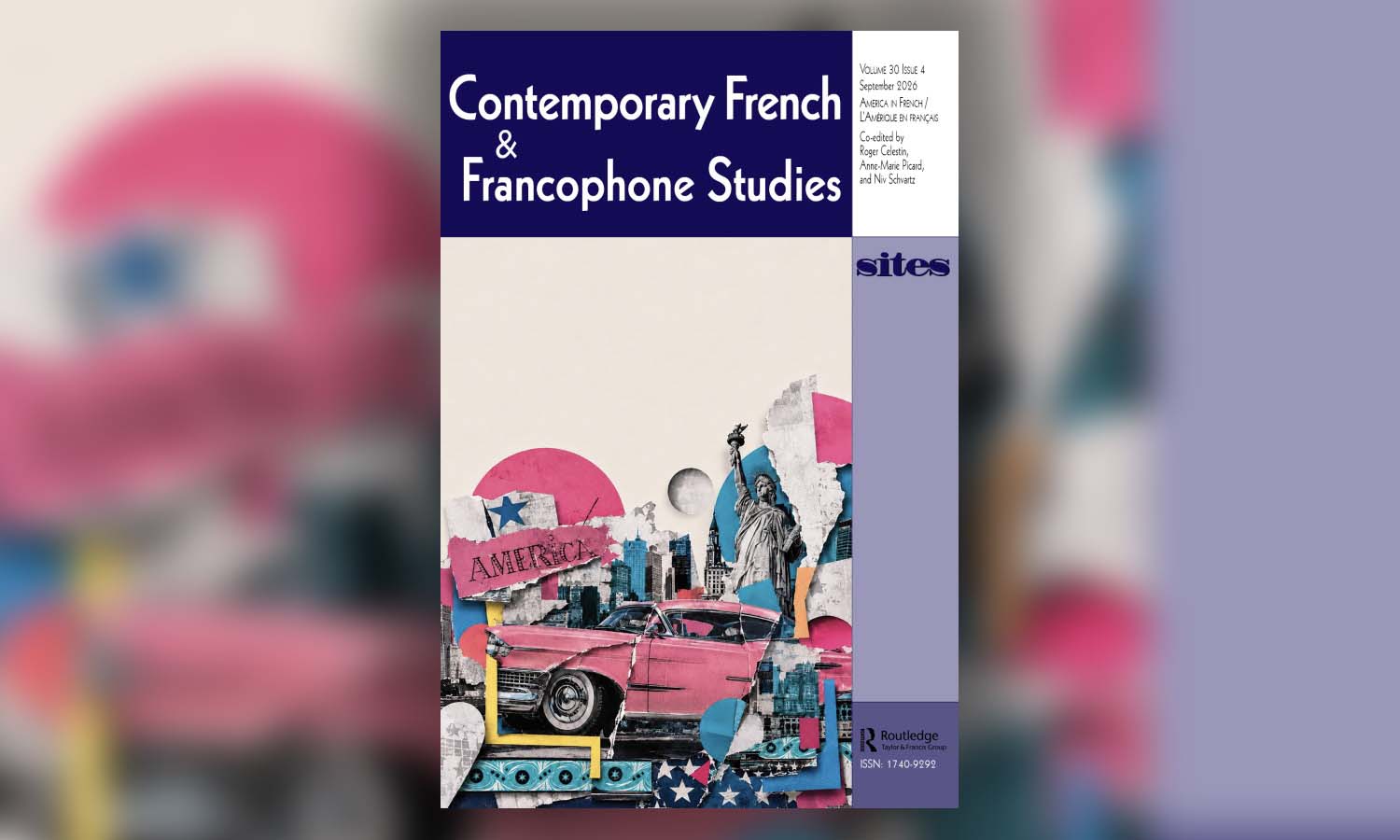
An article by Professor of French, Francophone, and Italian Studies Kanaté Dahouda was recently published in Contemporary French and Francophone Studies, Volume 30, 2026, Issue 4, “America in French / L’Amérique en français.”

Dahouda is a scholar of French and Francophone literatures and cultures and a longstanding member of the Department of French, Francophone, and Italian Studies at Hobart and William Smith. His research spans diaspora, exile, memory, identity, migration and postcolonial studies, with a particular focus on Francophone Africa, the Caribbean, Québec, and representations of America in French and Francophone literary and cultural imaginaries.