HWS News
19 December 2025 • Alums Rethinking the Cell
Undergraduate research reveals how real cells function.
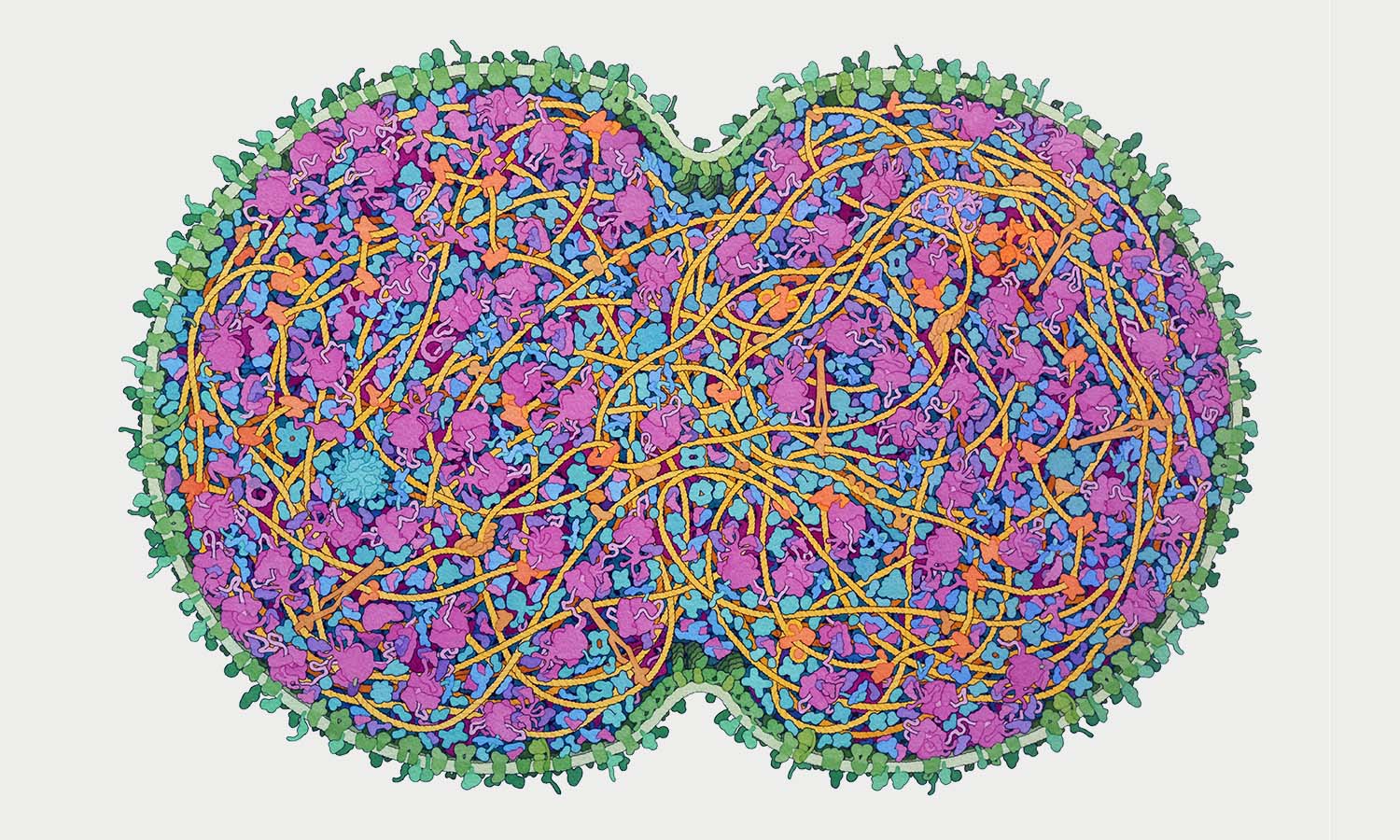
For decades, biology textbooks have depicted the cell as something like a water balloon: a thin membrane enclosing a mostly empty, fluid-filled space where molecules float freely. But in reality, Professor of Chemistry Kristin Slade says, a living cell is far more crowded — and that crowding may play a previously overlooked role in regulating life’s essential chemistry.
That idea is at the heart of a study published in October by Slade and a team of Hobart and William Smith undergraduates in ACS Omega as part of its special issue “Undergraduate Research as the Stimulus for Scientific Progress in the USA.” Their article, “Can Macromolecular Crowding Help Regulate Glutamate Dehydrogenase Activity?” challenges long-standing assumptions about how enzymes behave inside cells and highlights the outsized role undergraduates can play in advancing scientific understanding.
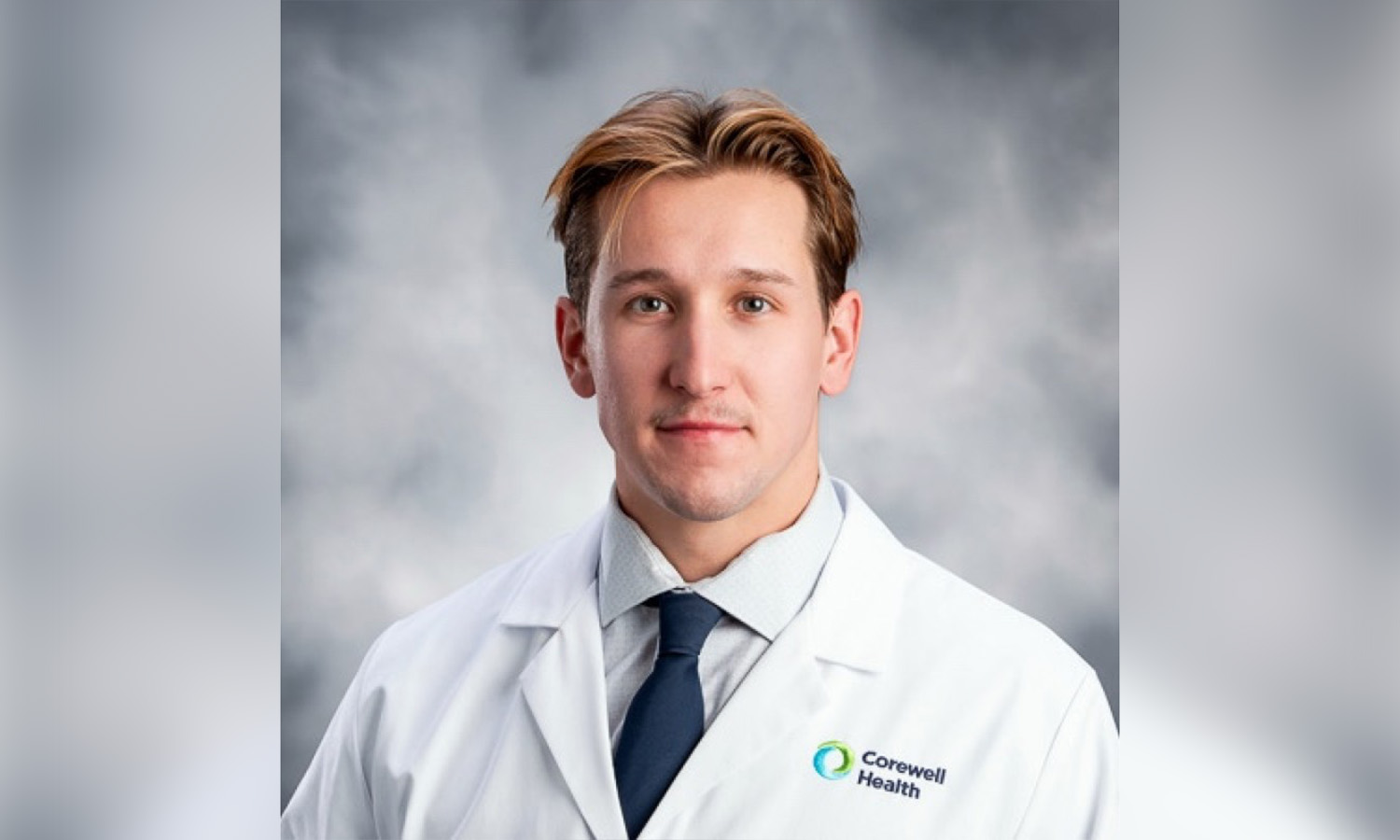
Alec Robitaille ’21 is a dermatology resident at Corewell Health in Michigan. He earned his Doctor of Osteopathic Medicine (DO) and Master of Public Health (MPH) degrees from Midwestern University and currently serves as a Captain in the U.S. Air Force on civilian deferment for residency training.
“A more realistic picture of a cell is like a sack of pudding or Jell-O,” Slade explains. “It’s packed with proteins, nucleic acids and other molecules that are all competing for space.” Yet most laboratory experiments still study enzymes in dilute, water-like solutions —conditions that are easier to control but rarely exist in nature.
The research team set out to ask what happens when enzymes are studied in environments that better mimic the crowded interior of a cell. To do that, they introduced large polymer molecules into test tubes to simulate crowding while still changing only one variable at a time. They then observed the behavior of glutamate dehydrogenase (GDH), a key enzyme that sits at a metabolic crossroads linking carbohydrate, lipid and protein metabolism.
What they found was striking: Crowding itself helps regulate GDH activity, effectively modulating how fast or slow the enzyme works. That insight is novel, Slade says, because crowding has rarely been considered a regulatory mechanism for metabolic enzymes.
“GDH is heavily regulated for a reason,” she explains. “If it’s too active or not active enough, it can disrupt the balance of metabolism.” Understanding how cells fine-tune such enzymes could help scientists better interpret results from living systems.
The project began in 2019 as an independent study proposed by Alec Robitaille ’21, a biochemistry major. When the COVID-19 pandemic shut down campus labs in spring 2020, the work could have ended there. Instead, due to Robitaille’s persistence, it evolved.
He continued the project remotely, grappling with the theory behind macromolecular crowding and later returning to the lab to complete an Honors thesis.
Along the way, he helped train other students who would eventually become co-authors. “That steep learning curve is part of the value,” Slade says. “Students learn how to think critically, troubleshoot experiments and deal with real scientific uncertainty. It’s very much an apprenticeship.”
Visualizations of Cells
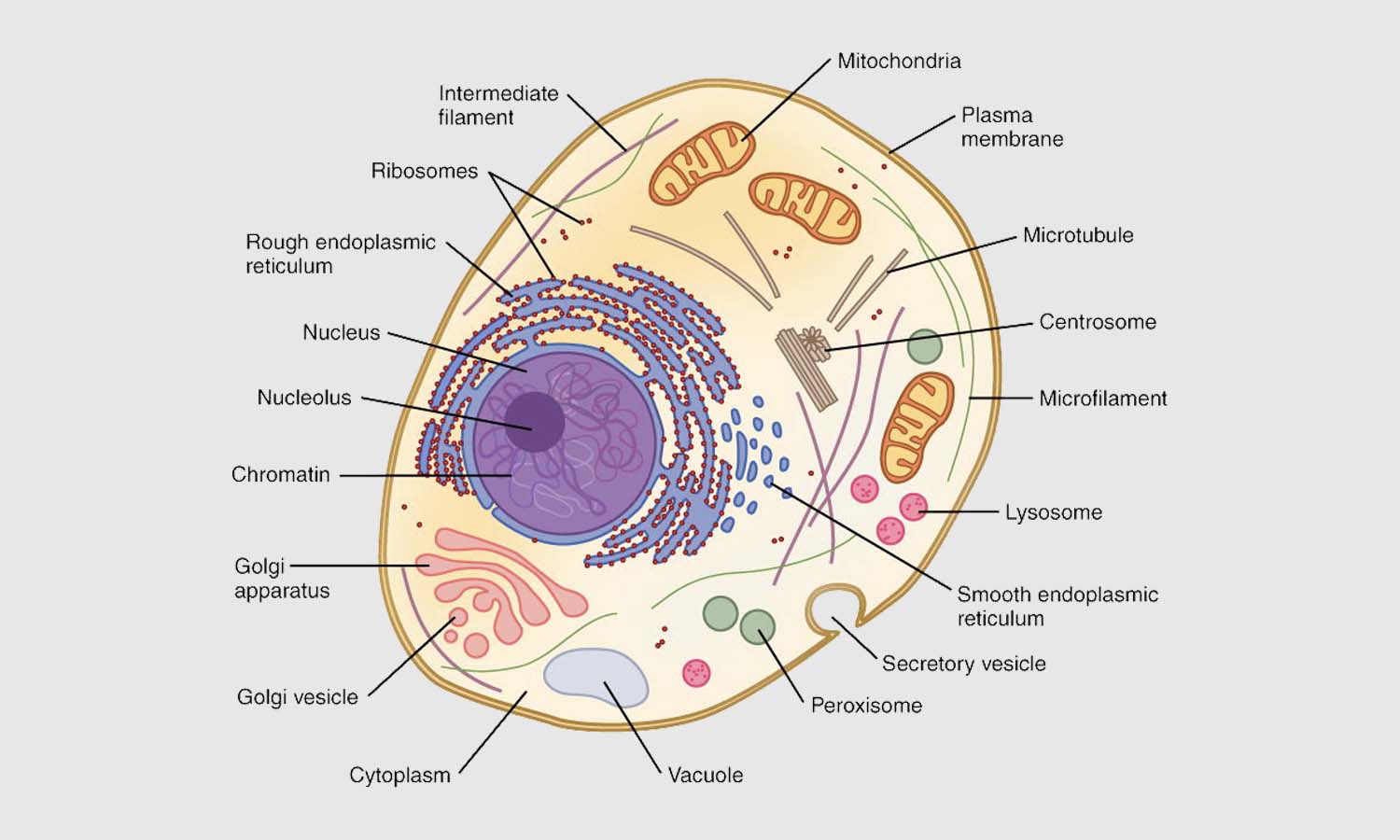
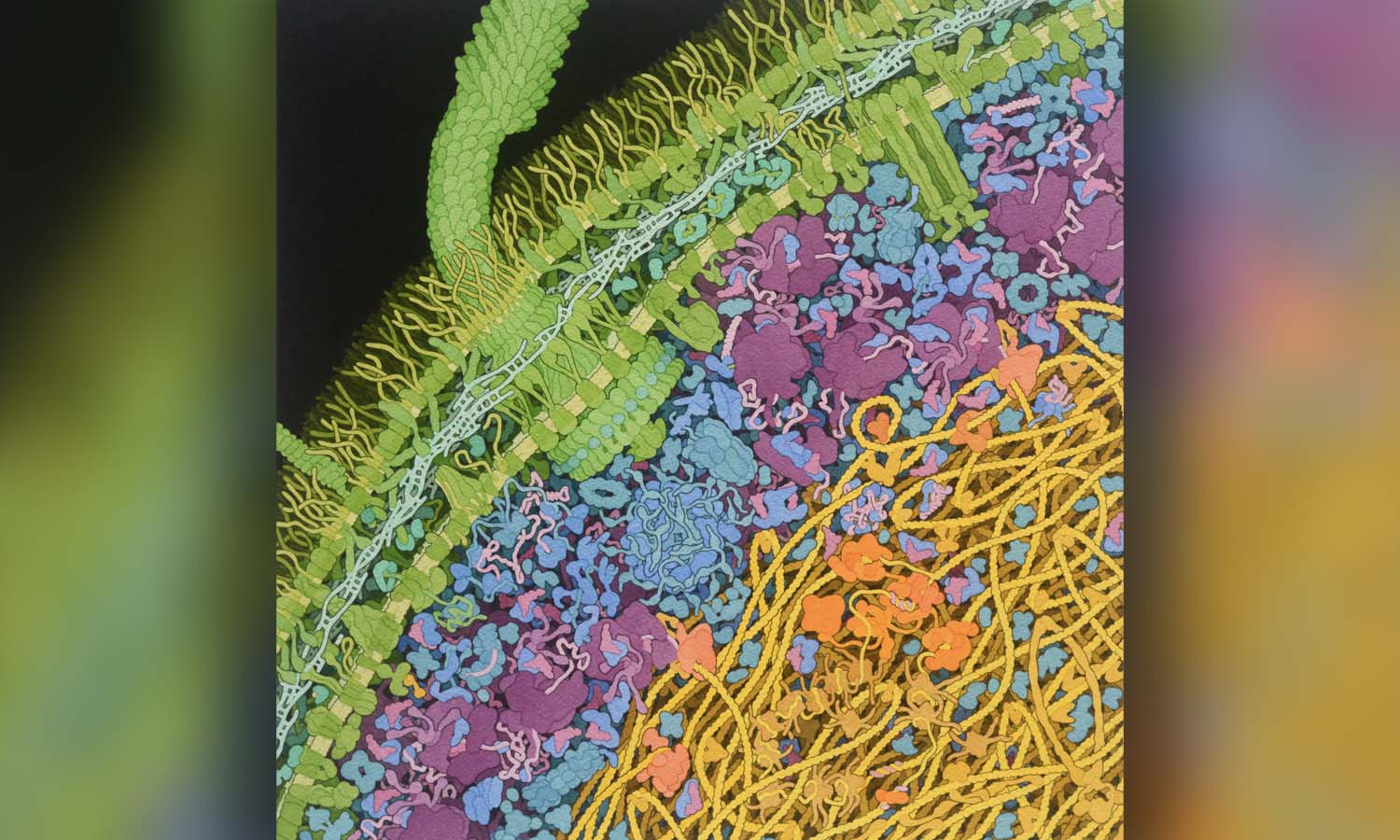
The student co-authors all ended up working in healthcare. The final paper includes a doctor, a future dentist and veterinarian. “We hit on all three clinical fields,” says Robitaille, who notes the student researchers developed a close-knit group, which Robitaille says is hard to come by at bigger research universities.
Today, Robitaille is a dermatology resident at Corewell Health in Michigan and a Captain in the U.S. Air Force. He holds both a Doctor of Osteopathic Medicine and a Master of Public Health. Looking back, he sees his undergraduate research helped steer him to his role today working in the lab and with patients.
“I realized I loved the inquisitive part of research,” Robitaille says, “but I also wanted something patient-facing.” Medicine, and ultimately dermatology, allowed him to bring those interests together.
Just as important, he says, was learning that intuition is not always reliable in science. “We’re taught that cells look a certain way, but then you learn they actually behave very differently,” he reflects. “That experience really shaped how I think critically — not just about science, but about medicine.”
The project also gave students a global perspective. A long-standing collaboration with computational chemists in the Czech Republic allowed students to see how experimental and theoretical approaches complement one another — and how science transcends borders.
For Slade, that blend of discovery, mentorship and collaboration is the whole point. “Faculty research is important,” she says, “but the real story is the students. They saw this project through from start to publication, and now they’re going on to do incredible things. That training stays with them.”
Led by Slade, “Can Macromolecular Crowding Help Regulate Glutamate Dehydrogenase Activity?” was co-authored by
- Andrea Desrochers ’22, now a student at Cornell University College of Veterinary Medicine in Ithaca, N.Y.
- Alec Robitaille ’21, DO, MPH, now a dermatology resident at Corewell Health in Denton, Mich.
- Genesis Rosario ’24, now a senior patient care coordinator at Weill Cornell Imaging at New York-Presbyterian in New York City.
- Emily Rundlett ’22, now a student at the University of Connecticut School of Dental Medicine in Farmington, Conn.
Co-Authors
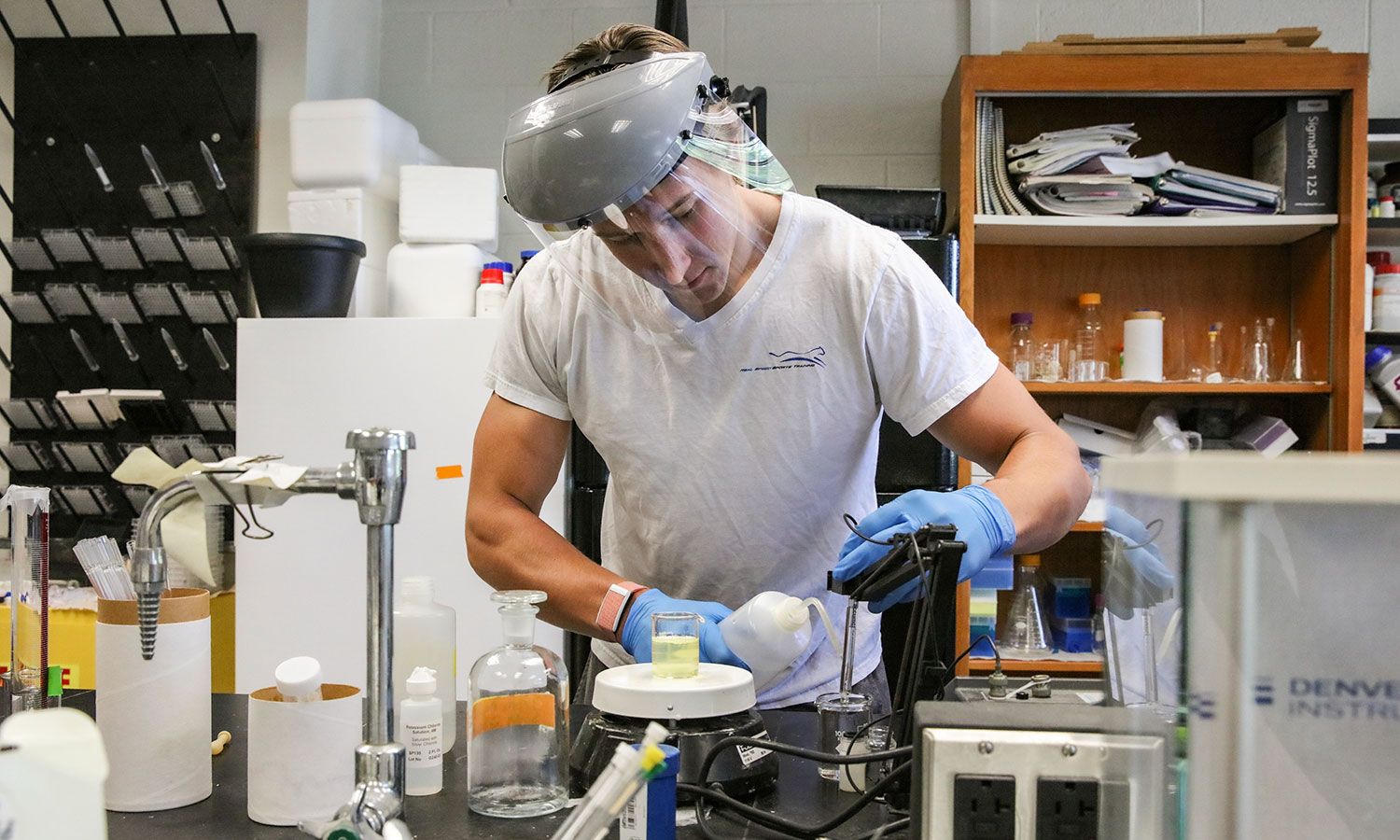
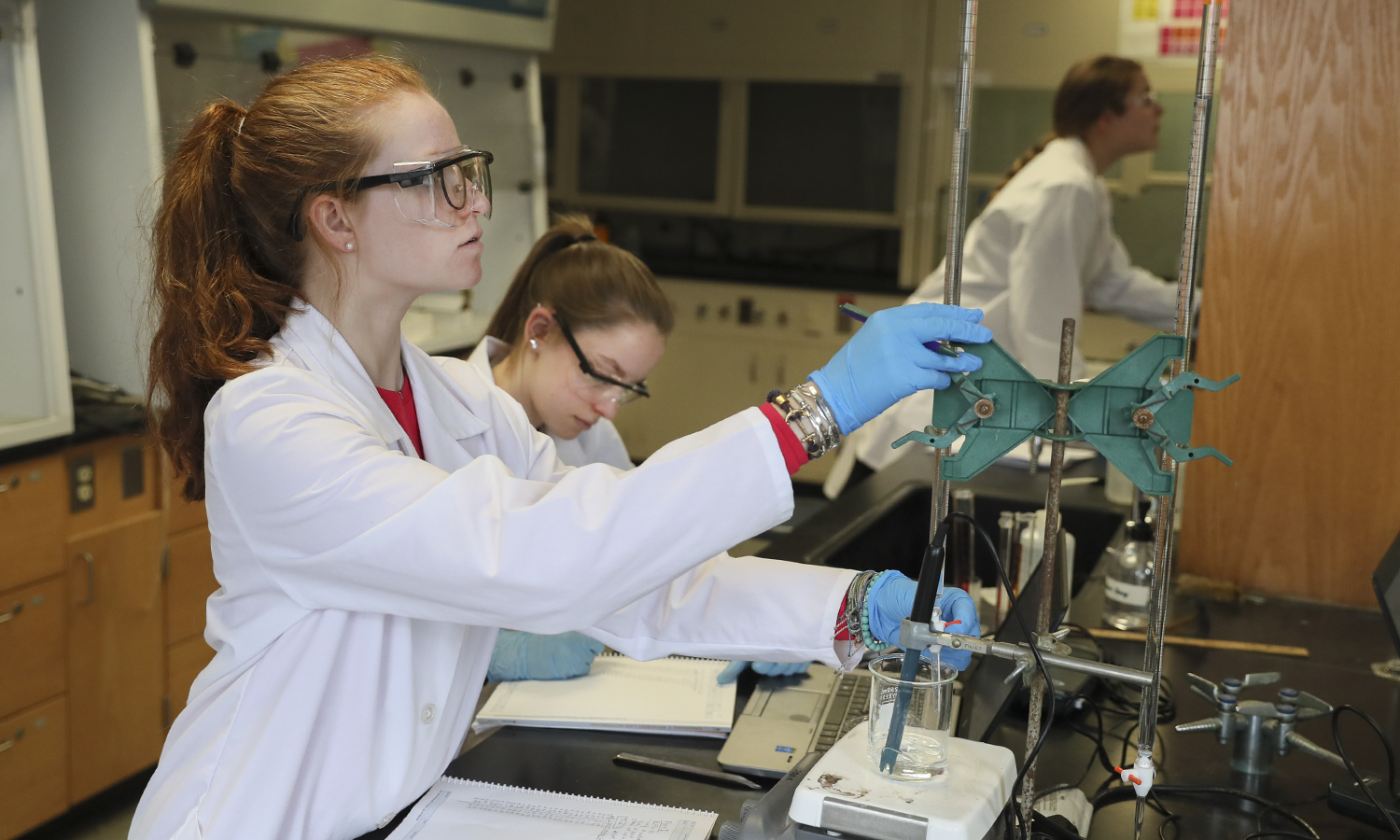
Top: Contrary to traditional textbook diagrams of cells, living cells are far more crowded and complex — and as such, difficult to visualize. A 2022 article in The New Yorker called it "the cellular cosmos,” along with this image representing a stripped-down cell, "the cellular equivalent of a stock car,” used to help scientists more accurately, although still incompletely, visualize a cell’s inner workings.