HWS News
4 December 2025 • Alums • Athletics Mind Over Muscle
Dr. Jaimie Rubin ’13 currently works with some of the biggest names in basketball to make mental health a priority.
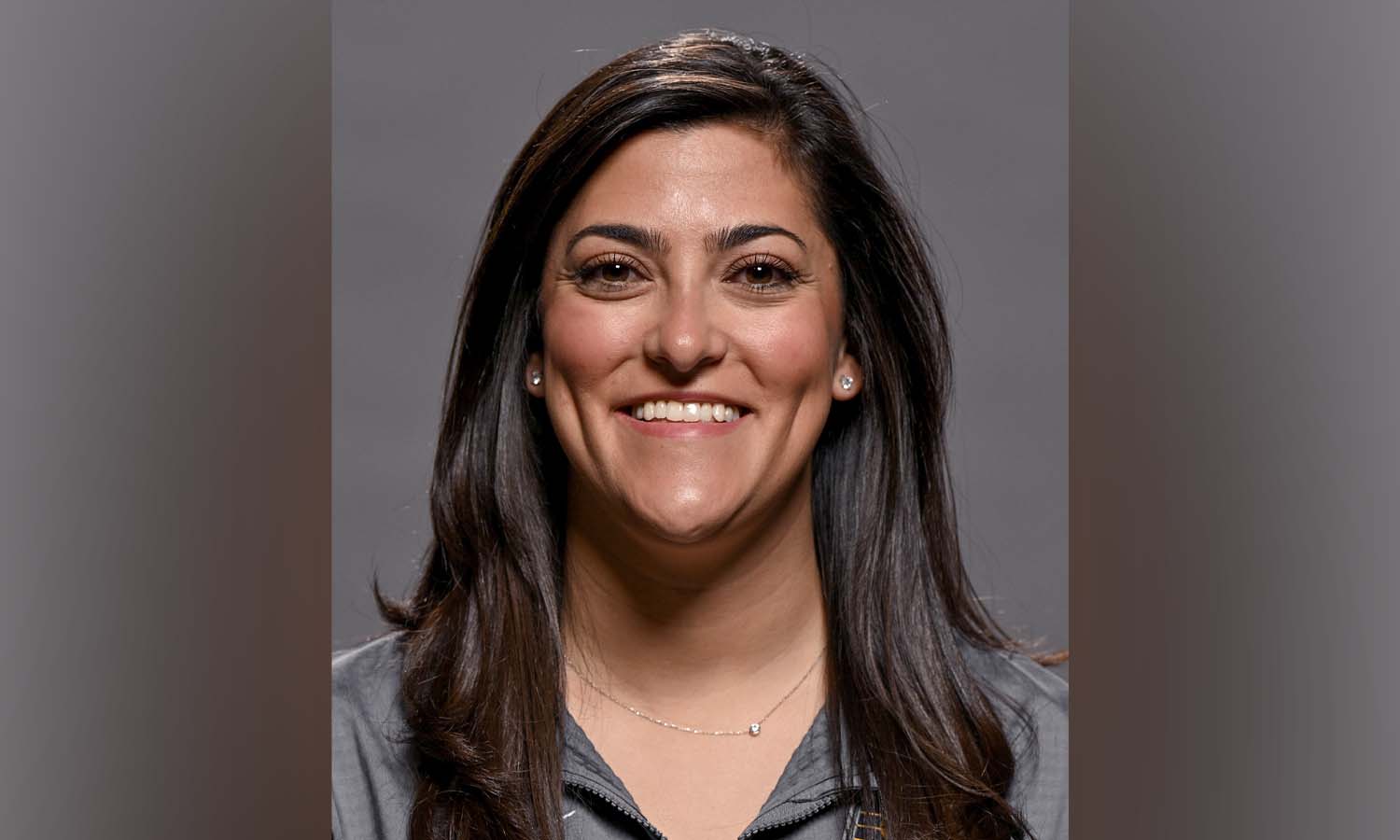
When an athlete gets injured, the medical staff works to return them to full strength. Dr. Jaimie Rubin ’13, the Director of Sport Psychology and Team Wellness for the Indiana Pacers and Indiana Fever, wants to bring that same approach to players’ mental health.
In her role developed expressly for this, Rubin meets with players and staff throughout the organization to understand and support their mental health and mental performance. This can be either when they are experiencing concerns and stressors or looking to enhance their wellness and performance proactively.
Rubin’s path to treating the mental health of athletes has been influenced by her time as a basketball player at Northern Valley Regional High School in Demarest, N.J., for the Herons, and working now with stars such as Tyrese Haliburton of the Pacers and Caitlin Clark of the Fever.
While players have come to accept and take a proactive approach to preventing physical injuries, Rubin focuses on preventing and treating what she calls the invisible injuries related to mental health issues.
That takes work, though, she says, as people may have misconceptions about sport psychologists.
“We’re seen as the grim reaper — that when we show up, something is wrong with you or you have a problem,” she said previously on the MyHuddle podcast. “That’s a perception we need to destigmatize. I want people to know there’s nothing wrong with you. What you’re experiencing is really important to pay attention to — it’s telling you something, and that something is valid. And we’re a place where we can work on that together.”
Speaking recently about her role, Rubin says, “I get to learn about people, their unique stories and goals, and form a relationship that is supportive in helping them feel like they can be their full selves. If they can feel like their best selves, they can perform at their best. That’s really important work that I’m grateful to be a part of.”
Sport psychologists need to be able to make their services flexible and accessible to athletes however they can, Rubin says. This can mean anything from holding traditional meetings in a private office, virtually speaking with a player while they’re on the road, chatting with them on the sidelines, or collaborating with other staff they work closely with.
“You want to be creative in figuring out how to meet people where they are at and work with them to make them feel the most seen and safe,” she says.
Before joining the Pacers in 2024 and Fever in 2025, Rubin worked as a sport psychologist with Premier Sport Psychology, a private practice in Minneapolis, Minn., where she served as the assistant director of sport psychology services for the Minnesota Twins and head sport psychologist for the Minnesota Lynx. Rubin was responsible for developing and directing a multi-disciplinary team of mental health and mental performance providers tasked with designing and delivering integrated and comprehensive sport psychology services to players and staff.
She has also worked with student-athletes, teams, coaches and staff at the University of Oklahoma, American International College and Connecticut College; she served as a counseling and mental training specialist for cadets at the U.S. Coast Guard Academy and with the Collegiate Baseball League of Europe.
Clark, the star guard for the Fever, dealt with a season-ending groin injury this past WNBA season. In a Sports Illustrated article, Clark shared how she frequently met with a sport psychologist to deal with the mental impacts of recovering and how she journals before games as a means to reset her mind.
Rubin notes how players’ mental health needs can change before, throughout and after a season. A draft may be stressful for veteran players as it can raise questions about how they’ll be utilized on the team or whether a team may look to move on from them. Rookie players, meanwhile, may struggle at the beginning of the season, trying to learn the plays, cultures and build relationships. Other areas such as contract expirations, individual and team performances and injuries can heavily impact a player’s mental health.
“That’s on top of outside stresses and concerns that come naturally in life. Many tend to forget these professional athletes are human beings trying to perform at the highest level under incredible pressures and circumstances while off the court managing life transitions, expectations, relationships, finances, family and loss,” she says.
As a basketball player in high school, Rubin dealt with multiple injuries and spoke with sport psychologists. While her experiences then may have been difficult, she has used it to shape how she works with her patients.
“I want to be able to meet people where they’re at and in a way that works for them,” she says. “Even if I’m not the right fit, I want to be able to open the door to extend those services.”
At HWS, Rubin graduated from magna cum laude with a degree in psychology and a minor in media and society. She later earned a Master of Education and a Doctor of Psychology from Springfield College.
Rubin says her liberal arts education has been beneficial to her work in creatively addressing issues. The flexibility to complete educational goals at HWS through a variety of courses has shaped how she approaches challenges now. In addition, she credits Deb Steward, the former associate vice president and director of athletics and recreation, for the importance she places on supporting women in sports. In a male-dominated space that is professional sports, Rubin says she also works to improve the experience for women.
Rubin was a four-year starter for the Herons, leading the basketball team to a pair of Liberty League Championship game appearances and ranking in the top 10 for the program’s career assists. Rubin’s athletic and academic performances earned her three consecutive Liberty League All-Academic Team awards. She was presented the 2013 Melissa Mulliken ’80 Award for her leadership on the court combined with her efforts off the court with groups like Risking Stars and Core 20.
Top: Certified Mental Performance Consultant Carlos Coto and Dr. Jaimie Rubin '13 pose next to the Powered by Mental Health initiative sign at Target Field, home of MLB's Minnesota Twins, in 2023.