HWS News
17 November 2025 • Alums • Research • STEM A Decade of Discovery
HWS puts undergraduates at the center of complex, publishable research that informs future anticancer drug discovery.
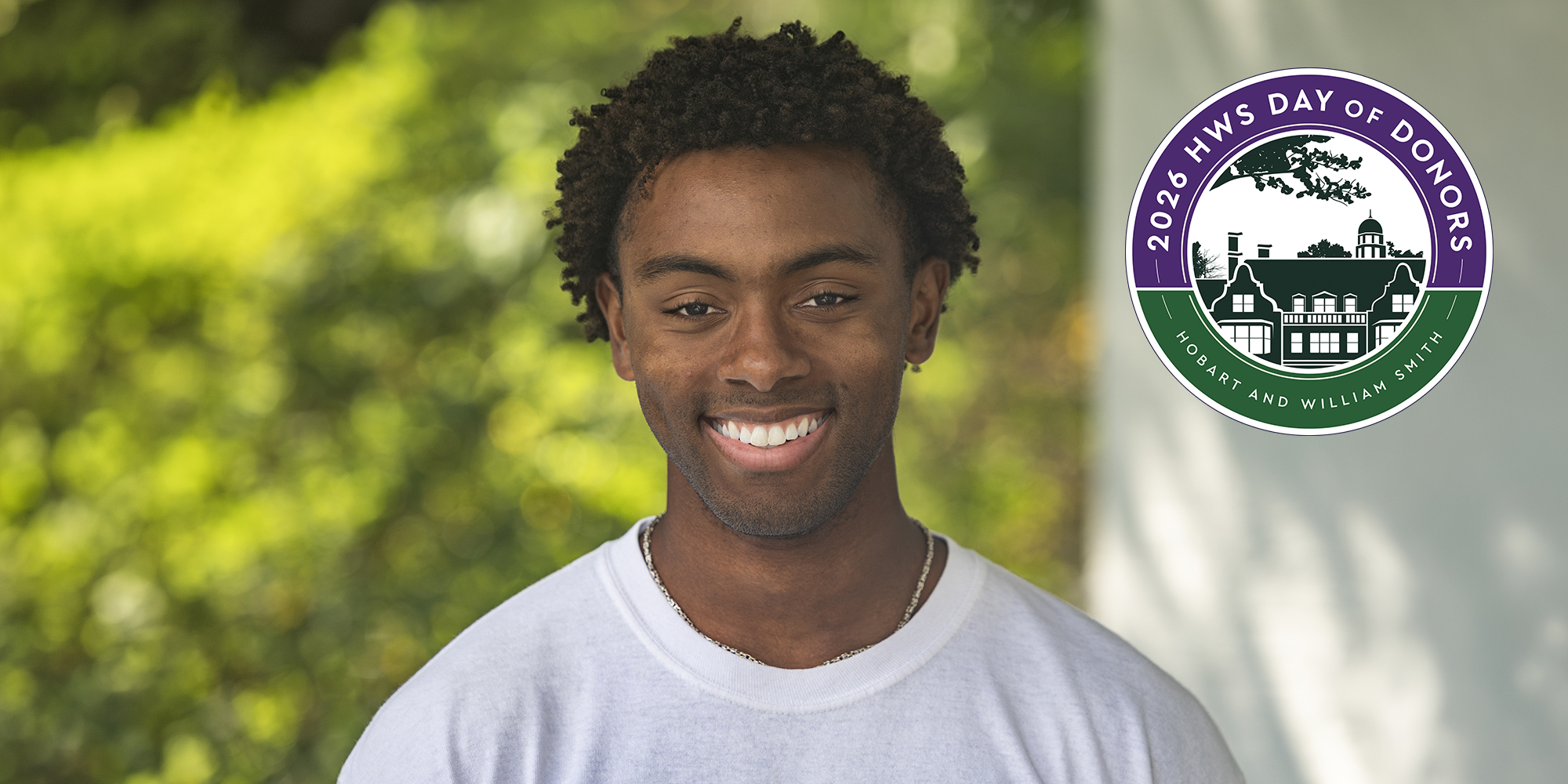
It was past midnight in the chemistry lab. Ameer Muse ’26 had been working for nearly 14 hours. The campus was quiet, but the lights in the lab glowed as he watched the last traces of solvent evaporate, hoping this final step would yield a pure sample of a compound that had eluded every previous attempt. “I remember being so tired that I caught my reflection in the window and thought someone else was in the room,” Muse says, laughing. “But I just kept going.”
Even after that 14-hour day, and a drive to Syracuse the next morning to test the compound, it still wasn’t pure enough. Muse returned to the lab and performed yet another purification process. “I went back to Syracuse literally the day after and found out the compound was clear and able to test.”
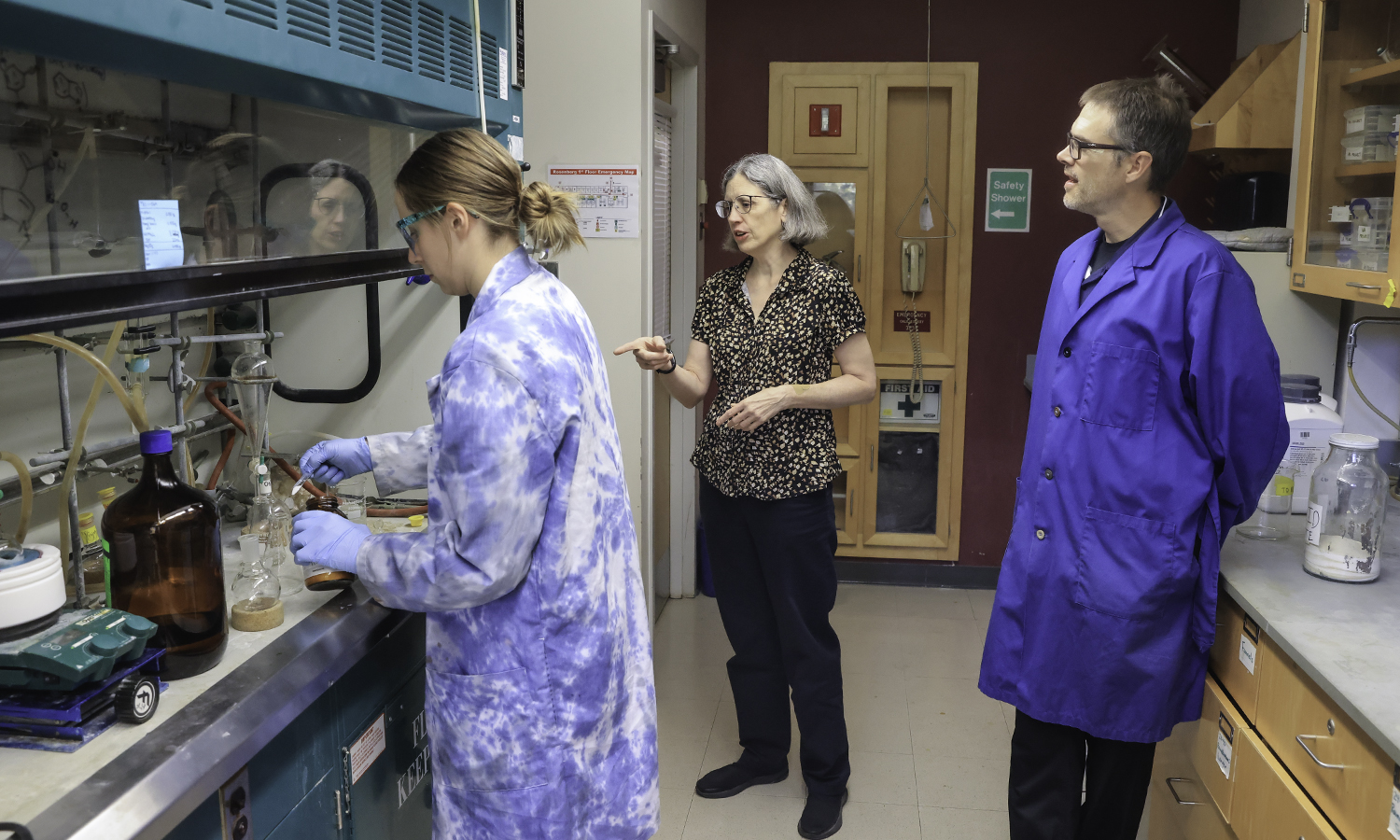
Muse’s persistence paid off. In September, 12 undergraduates under the direction of HWS Professor of Chemistry Erin Pelkey, Professor of Biology Patricia Mowery and Christopher Newport University Associate Professor Kathryn E. Cole published “Exploring Regioisomeric Indole–Furanone Tubulin Inhibitors” in ACS Omega, a journal published by the American Chemical Society.
The study explores how specific small molecules interact with tubulin — a protein essential to cell division — in the search for potential anticancer therapies. The discovery-stage study helps researchers fine-tune molecules to be more effective, selective and less toxic to patients fighting cancer.
A $386,000 grant in 2023 from the National Institutes of Health drives the interdisciplinary research to develop drugs focused on the protein tubulin, a common target for cancer treatments.
The research builds on more than a decade of work led by Pelkey and Mowery and 34 student researchers through every stage of the process — from synthesizing new compounds to testing their biological activity. Over the years, half of those 34 students worked with Pelkey preparing compounds; the other half worked with Mowery to test their activity in cancer cells.
“When we began, we didn’t know if the compounds had any biological activity and what they targeted if they did,” Mowery says. “Over the years, we have discovered that they target the critical cellular protein tubulin, and with each generation we have made more potent compounds and know what structures are critical for function.”
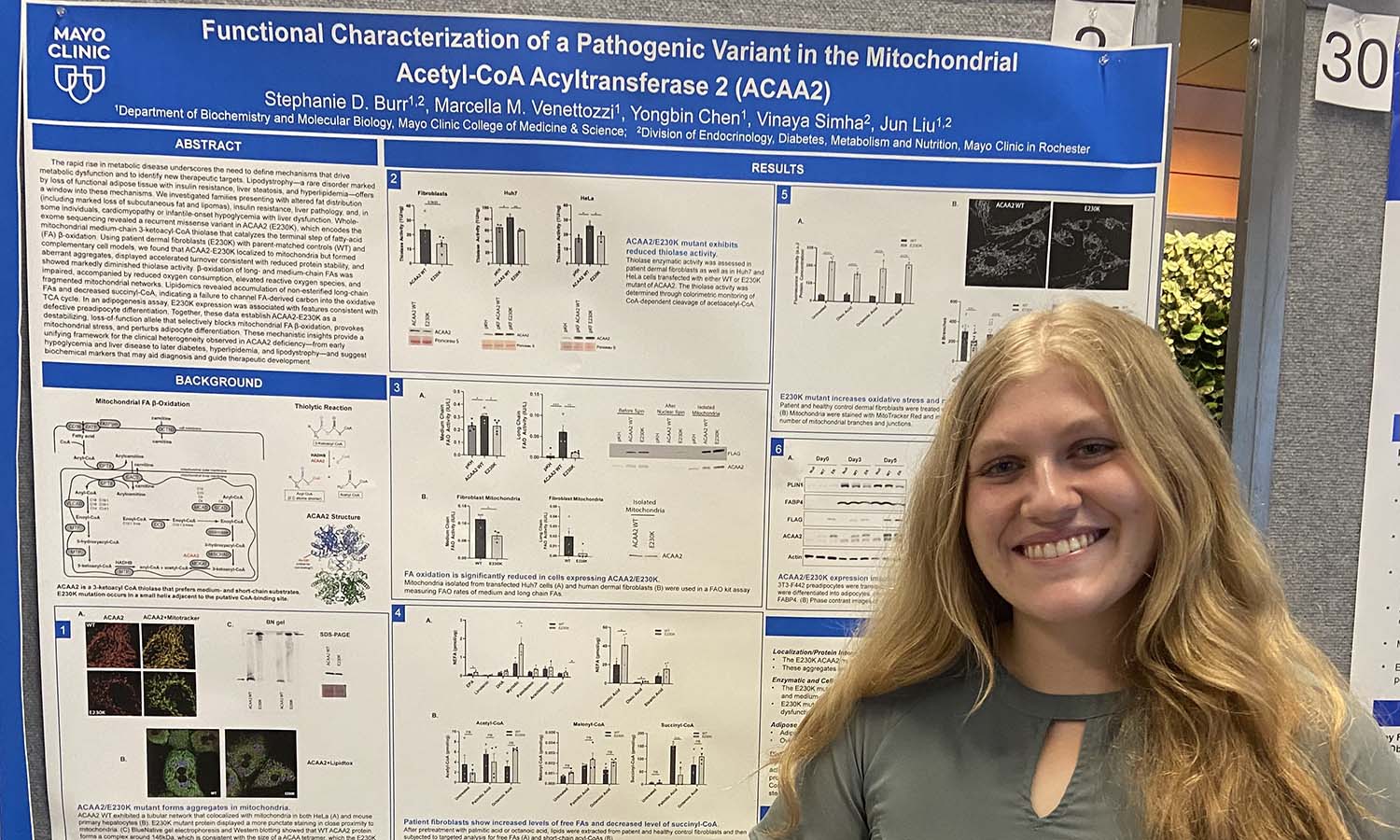
Their research now is targeting a site on tubulin, which has been found to avoid many of the drug resistance problems of other anti-cancer treatments, Mowery says. Pelkey adds he expects to see a breakthrough in the next few years in anti-tubulin anticancer drugs. That makes co-author Marcella Venettozzi ’25 even more proud of the work she and her fellow students did.
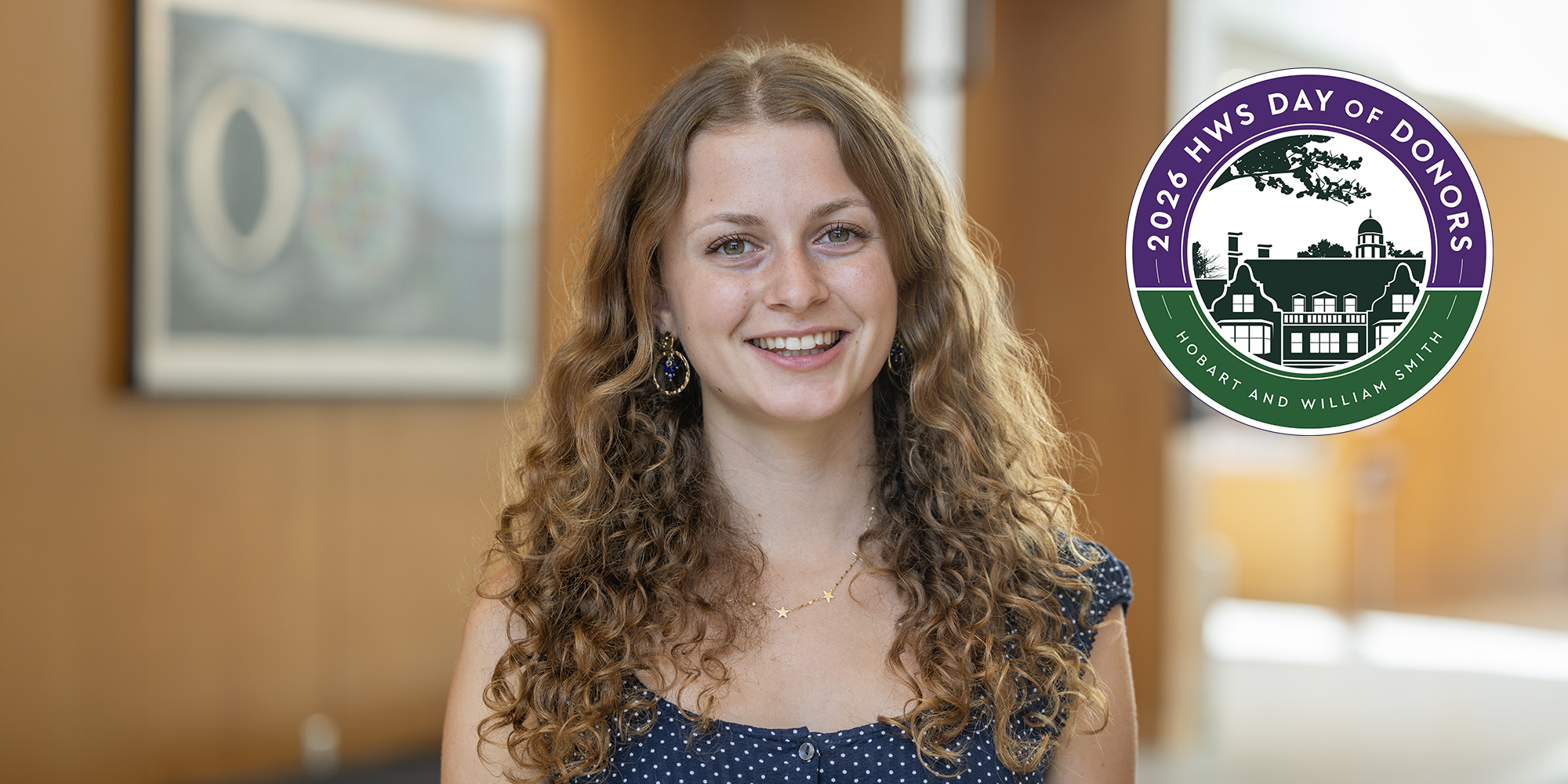
“It feels fantastic to contribute to such an important area of research, which has the capability to improve lives. Our paper now serves as a resource in the scientific community, providing a reference to other researchers on improvements for future anti-cancer compounds,” Venettozzi says.
With a bachelor’s degree in biochemistry, Venettozzi currently works as a graduate research associate in the Liu Lab at the Mayo Clinic in Minnesota. There, she continues to work in cell culture but instead of cancer, her work now focuses on lipid metabolism.
Her position, she says, is a direct result of Mowery, who suggested she pursue mentored research programs that support students interested in attending graduate school.
For students like Muse and Venettozzi, long hours in the lab are more than an academic exercise; they’re an initiation into the realities, frustrations and exhilarations of scientific discovery.
When asked if he ever got discouraged by the failures, Muse says no. Research is a process, he says. Researchers must be open to their findings.
“And chemists have to have curiosity, which can drive someone a long way,” Muse says. “You need it to be able to advance in the field, to have new ideas, techniques and then apply them. My curiosity tells me, ‘OK, maybe they couldn’t do it. But what if I can?’”
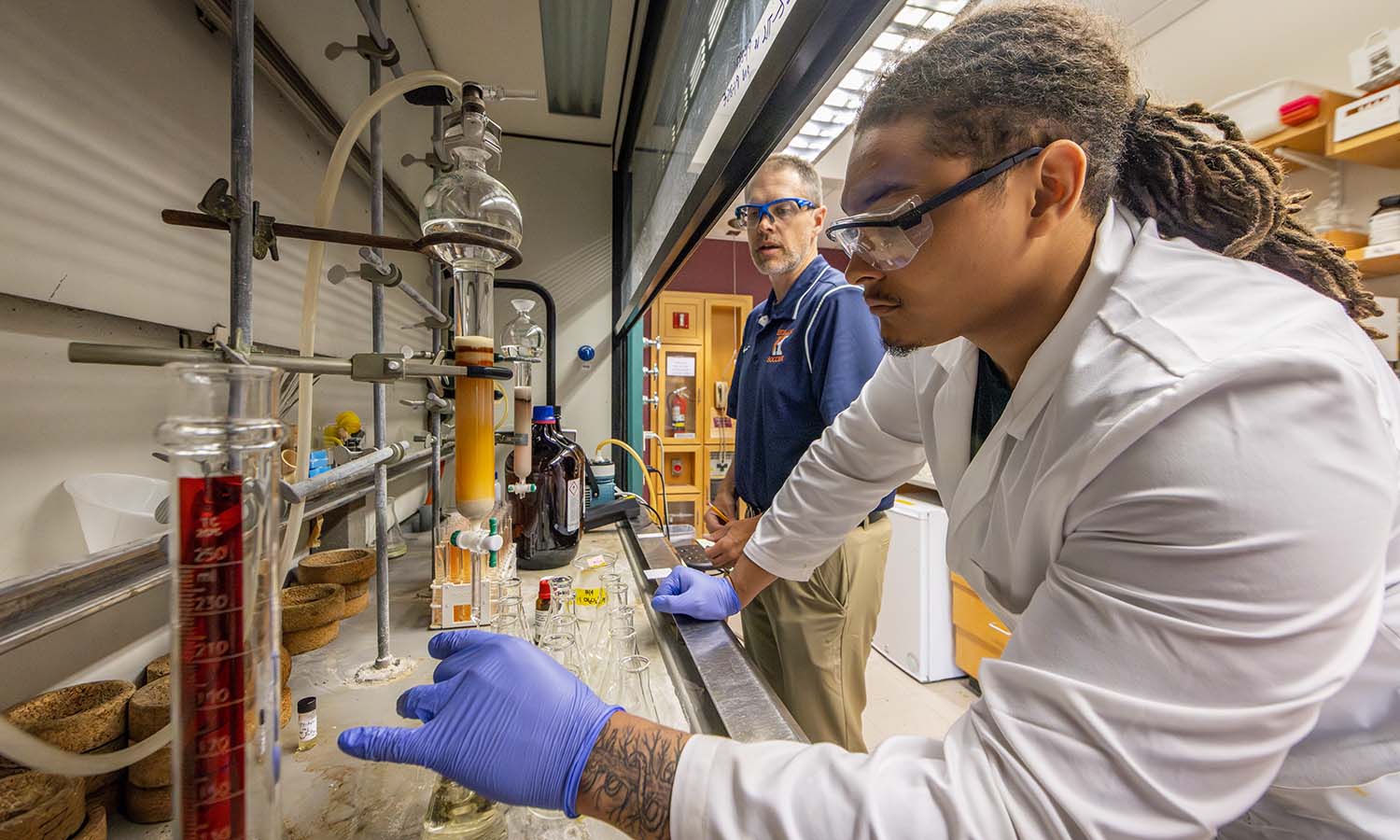
Top: Ameer Muse '26 performs a purification of one of the final target anti-cancer compounds using column chromatography with Professor of Chemistry Erin Pelkey.