












Recommended Destinations for Economics
Perth, Australia
Galway, Ireland
Copenhagen, Denmark
Hong Kong
Freiburg, Germany
Seoul, South Korea
Request Information
Loading form...


Build the analytical tools to interpret markets, influence policy and navigate a complex global economy.
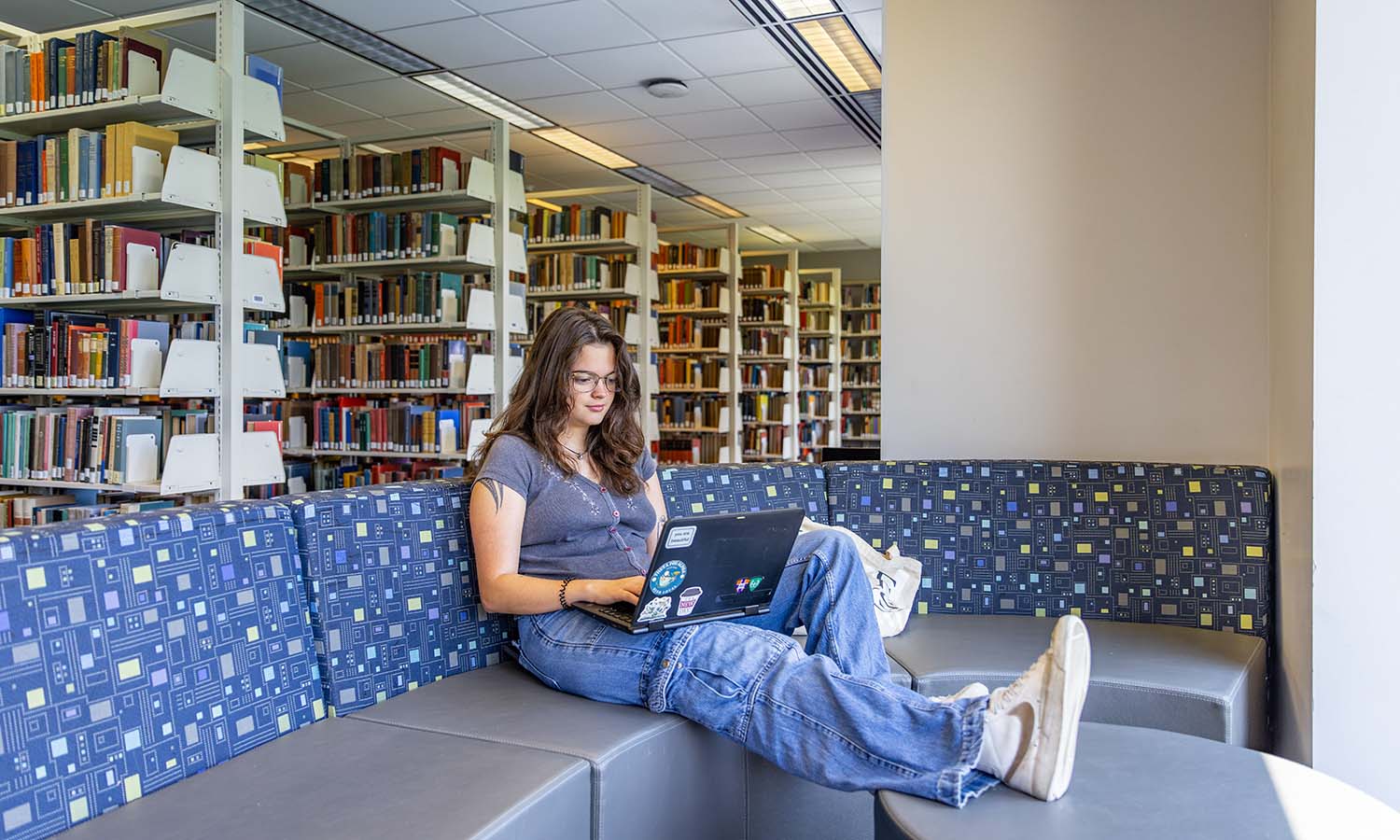
The Economics program develops rigorous thinkers who ask difficult questions, evaluate evidence and make decisions grounded in data. Rooted in the liberal arts and strengthened by quantitative training, you will develop fluency in economic theory and statistical analysis while learning to translate evidence into insight and strategy.
Coursework spans financial systems, institutionalist economics, international trade, econometrics and environmental policy. Students engage a variety of economic theories and methods with relevance to some of the most pressing issues facing our economy and society, including mainstream microeconomics and macroeconomics, original institutionalist thought, post-Keynesian economics, feminist economics and approaches to political economy. Beyond the classroom, students collaborate with faculty on research, apply their skills through internships and engage real economic challenges at the local, national and global level. By graduation, you will not only understand how economies function — you will be prepared to influence the decisions that shape them.


Read More
“Economics delves into political science, history, sociology, critical social studies bleeding into gender studies and racial studies, etc. It's highly applicable to various career paths...” Annabel Ramsey '25, Analyst at BCE Consulting



Major: Economics
Minor: Data Analytics, Entrepreneurship

Major: Economics, Asian Studies
Minor: English and Creative Writing
Major: Economics, Environmental Studies
Major: Economics
Minor: Data Analytics
Major: Economics
Minor: Entrepreneurship

Major: Economics
Minor: Environmental Studies

Major: Economics, Media & Society
Minor: Entrepreneurial Studies
Major: Economics, Business Management and Entrepreneurship

Major: Business Management and Entrepreneurship, Economics
ACLU Federal Trade Commission Northern Trust Universities Where Our Graduates Are Studying


Companies that Employ Our Graduates
Aon
Bank of America
Barclays
BlackRock
Bloomberg
Bristol Myers Squibb
CBS Sports
Charles Schwab
Citi
Credit Suisse
CVS Health
Department of the Treasury
EF Education First
Fidelity Investments Brokerage Group
Goldman Sachs
HBO Sports
IBM
ING
International Trade Administration
J.P. Morgan
John Hancock
M&T Bank
Mathematica
MGM Studios, Inc.
New York State Health Department
New York Yankees
Peace Corps
PricewaterhouseCoopers
S&P Global
Society for International Development
The Hartford
U.S. Department of Commerce
U.S. Department of State
UBS Financial Services
United Health Care Group
United States Embassy
Wells Fargo
World Health Organization
Yahoo!
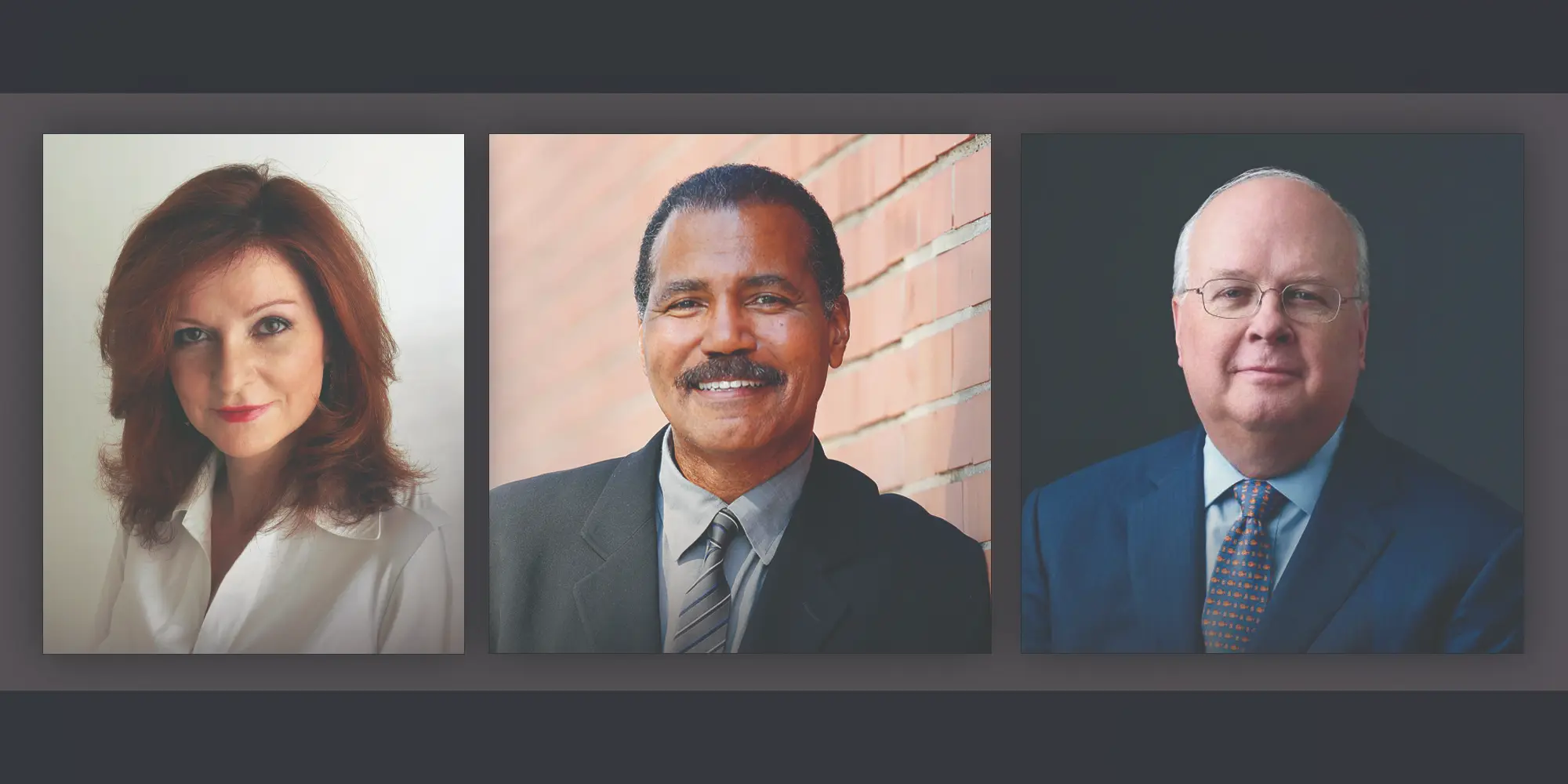
New York Times columnist Maureen Dowd and Republican political strategist Karl Rove will discuss American politics, media and civil discourse in a conversation moderated by 60 Minutes Correspondent and Trustee Bill Whitaker ’73, L.H.D. ’97.

The Chair and CEO of Bank of America will share insights on leadership, the economy and the future of global business during Hobart and William Smith's annual Anderton Economic Policy Symposium.

Professor Joyce Jacobsen launched an SIE exam preparation program for HWS students and delivered the Eastern Economic Association’s presidential address on the economics of higher education.


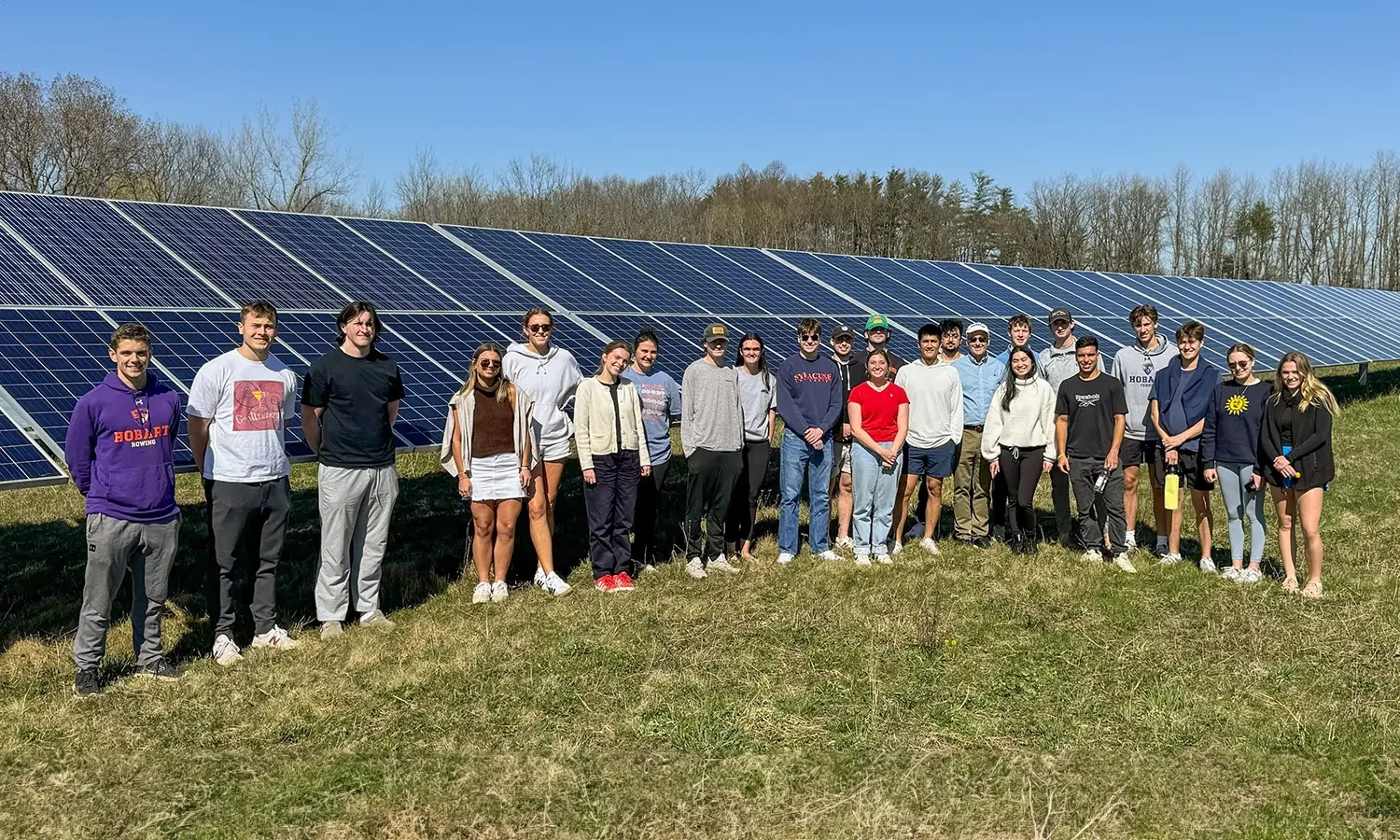
The Economics curriculum at HWS provides a broad foundation in economic theory and analytical methods, equipping students to understand, research and evaluate complex economic issues and systems. Through a pluralist approach to the discipline, students examine markets, institutions and public policy while developing strong quantitative and critical reasoning skills. From introductory courses to advanced seminars, the program fosters rigorous analysis and prepares students for engaged citizenship and professional success across fields.
The Department of Economics offers a major or minor. Sample courses are below:
Gain an introduction to U.S. financial markets (equity and capital) and instruments (stocks, bonds, etc.) and the related major financial theories (efficient markets, modern portfolio theory, behavioral finance) and models (capital asset pricing, dividend discount).
Explore how gender shapes economic outcomes, institutions and policy. Topics include the economics of the family, labor markets, earnings inequality, global development and approaches to promoting gender equity.
Explore basic theoretical models of natural resource use as well as the implications of these models for policy decisions.
The Economics Department offers optional concentrations within the economics major. The concentration option gives students the opportunity to structure their choice of electives to create additional depth of study within the major.
The following five concentrations are available: Economic and Social Policy, Financial Economics, History of Economic Thought, International Economics and Power and Inequality.
Many Economics majors pursue an Honors project that allows them to investigate a topic of personal and intellectual interest. Conducted primarily during the senior year and guided by faculty mentorship, the project culminates in a substantial research or critical paper that demonstrates advanced analytical and research skills.
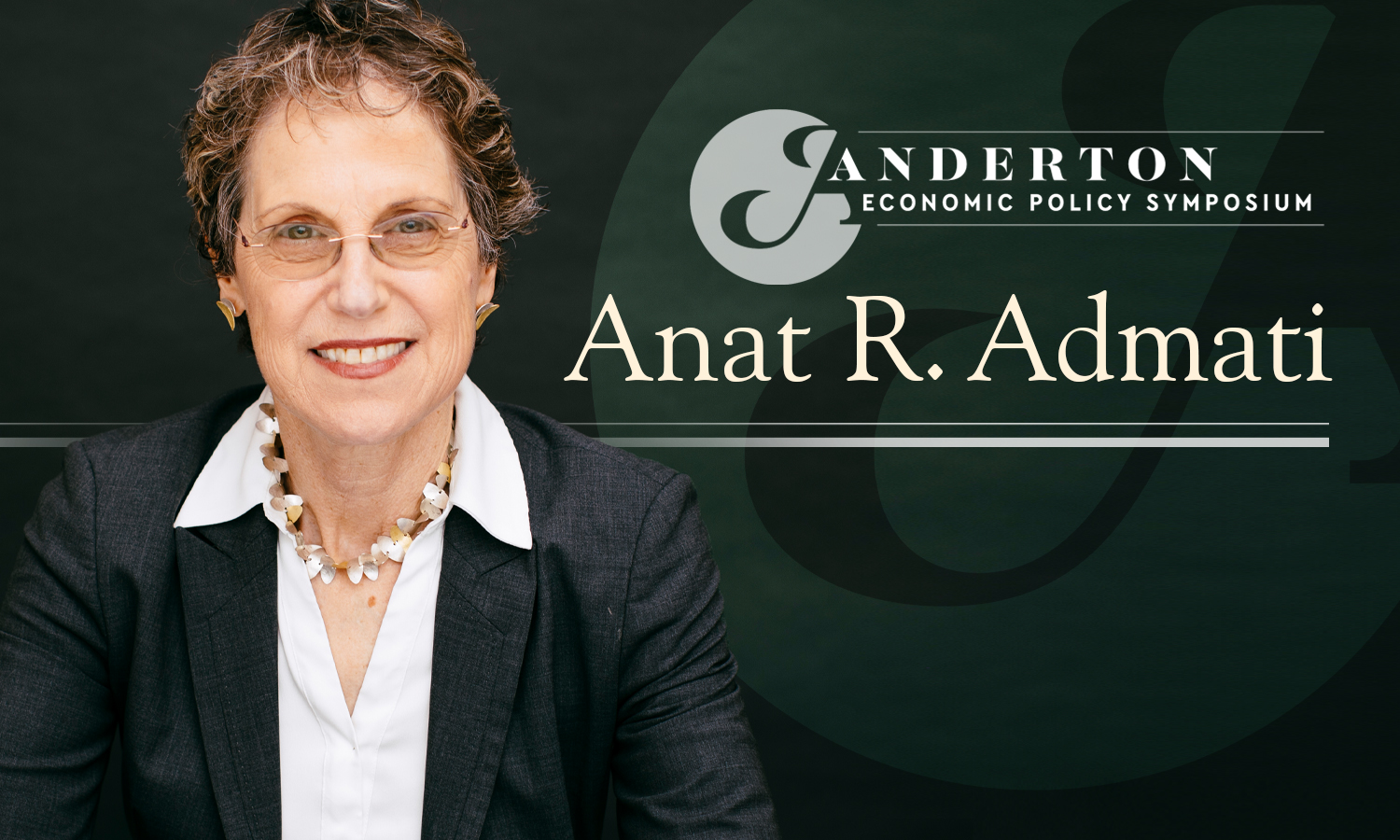
The Anderton Economic Symposium brings leading economists and policy experts to campus for in-depth conversations on the forces shaping national and global economies. Established in 2022 by former Trustee James F. Anderton IV ’65, the symposium engages students and the broader HWS community with diverse perspectives on timely economic issues.
Recent speakers have included Narayana Kocherlakota, University of Rochester Professor and former president of the Federal Reserve Bank of Minneapolis; Kartik B. Athreya, New York Fed research director; and Anat R. Admati, Stanford Professor and leading scholar of financial regulation and banking stability. For Economics students, the symposium offers a unique opportunity to engage directly with scholars and policymakers whose work shapes economic research, monetary policy and financial systems.
Economics Videos
Economics is the study of how people, businesses and governments make decisions about resources. As an Economics major, you’ll explore how markets function, how policies influence behavior and how economic forces shape societies. Coursework combines economic theory with statistical analysis so you can interpret data, evaluate evidence and understand complex systems.
Economics majors develop strong analytical, quantitative and problem-solving skills. You’ll learn how to analyze data, build economic models, evaluate policy decisions and communicate complex ideas clearly. These skills are highly valued across industries including finance, consulting, government and technology.
Economics uses mathematics and statistics as tools to analyze data and test ideas. Students should be comfortable with quantitative reasoning, but you don’t need to be a math expert to begin the major. The curriculum builds your skills over time through courses in statistics and econometrics.
Economics graduates work in a wide range of fields including finance, consulting, data analytics, government, public policy and international development. Many also pursue graduate study in economics, law, business, public policy or public administration.
Yes. Economics students often collaborate with faculty on research projects, conduct independent studies or complete senior honors work. These experiences allow students to explore questions they care about while developing advanced analytical and research skills.
Internships are a valuable way to apply classroom knowledge to real-world challenges. Many students gain experience in finance, consulting, government agencies, nonprofits and corporate settings. These opportunities help students explore career paths and build professional networks. Through the Salisbury Center for Career, Professional and Experiential Education, you’ll explore career paths, receive one-on-one advising and secure a funded internship or research experience. HWS guarantees every student at least one internship or research opportunity and provides the financial support to make it possible.
Yes. At HWS, more than 60% of students study abroad. Many Economics majors study abroad and take courses that examine international markets, development, global finance or economic policy. Studying abroad provides valuable perspective on how economic systems operate in different parts of the world.
Economics at HWS combines rigorous analytical training with the close mentorship and interdisciplinary perspective of a liberal arts education. Small classes and accessible faculty allow students to engage deeply with ideas while developing the skills needed to analyze real economic challenges.
The department introduces students to a uniquely pluralist approach to economics. Students learn a variety of economic theories and methods, with important relevance to the most pressing issues in our economy and society, including mainstream microeconomics, macroeconomics, original institutionalist thought, post-Keynesian economics, environmental policy, feminist economics and approaches to political economy.
Yes. Economics is excellent preparation for graduate study in economics, business, public policy and law. The major strengthens quantitative reasoning, analytical writing and critical thinking skills that are essential for advanced study.
Yes. Many students combine Economics with majors or minors in all areas of study and are encouraged to explore a diverse curriculum. The liberal arts structure makes interdisciplinary study both possible and powerful.
Yes. While both fields study markets and organizations, they focus on different kinds of questions. Economics examines how individuals, businesses and governments make decisions, using theory and data to understand how markets work and how policies shape economic outcomes. Business programs focus more directly on how organizations operate, including areas such as management, marketing and entrepreneurship.
At HWS, the two programs are closely connected. Faculty teach in both departments and several courses are cross-listed, allowing students to explore the analytical foundations of economics alongside the practical applications of business.
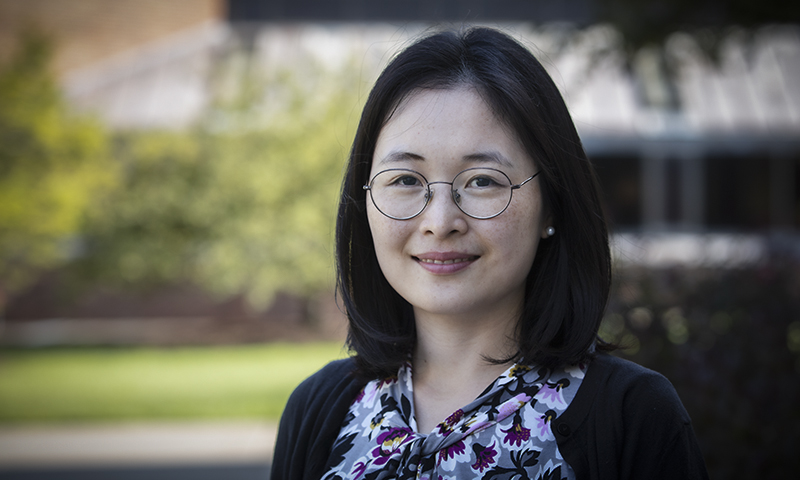
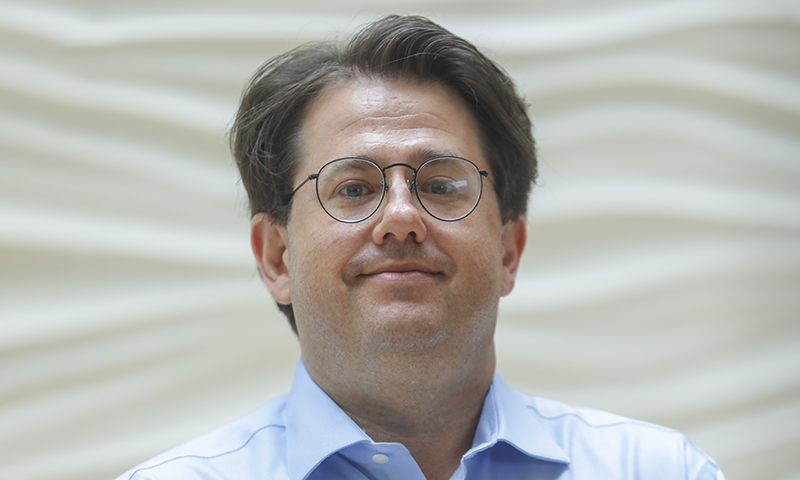
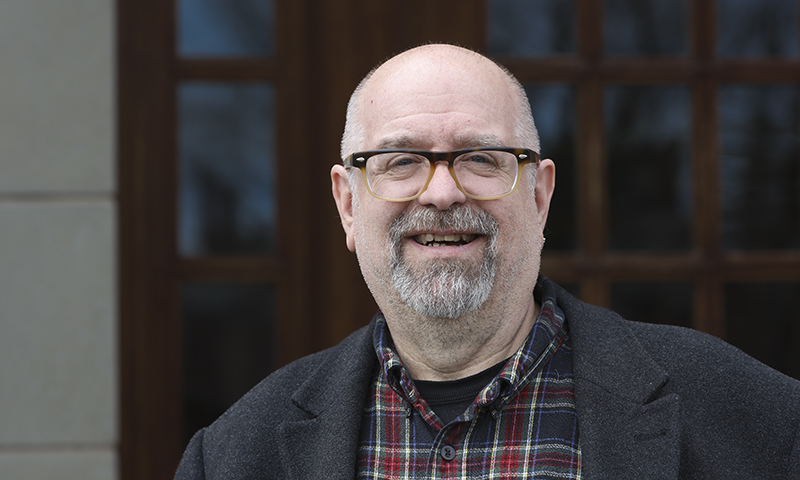
Meet the experienced and dedicated professionals who will serve as your mentors.

Ph.D., The New School for Social Research, New York, NY
M.A., The New School for General Studies, New York, NY
B.A., The University of Michigan, Ann Arbor, MI
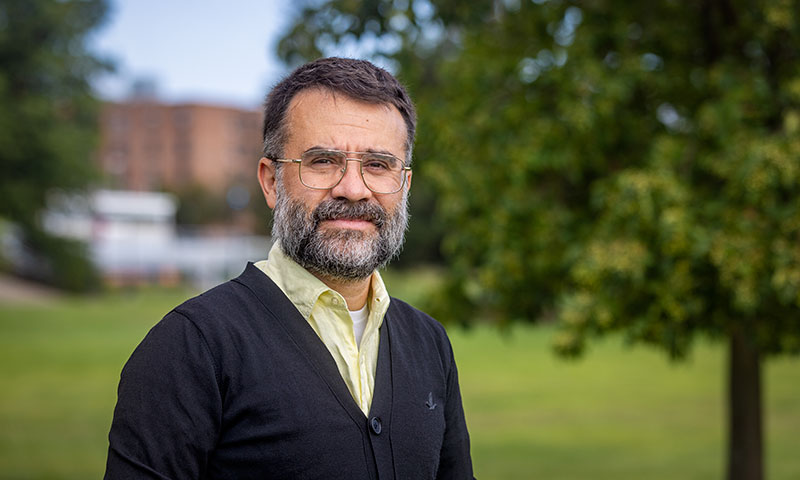
Ph.D. in Economics, University of Washington, Seattle, WA, 2004
Master of Arts, Economics, University of Washington, Seattle, WA, 2001
Bachelor of Science, Industrial Management (With Double Majors in Economics and Social History), Carnegie Mellon University, Pittsburgh, PA, 1998
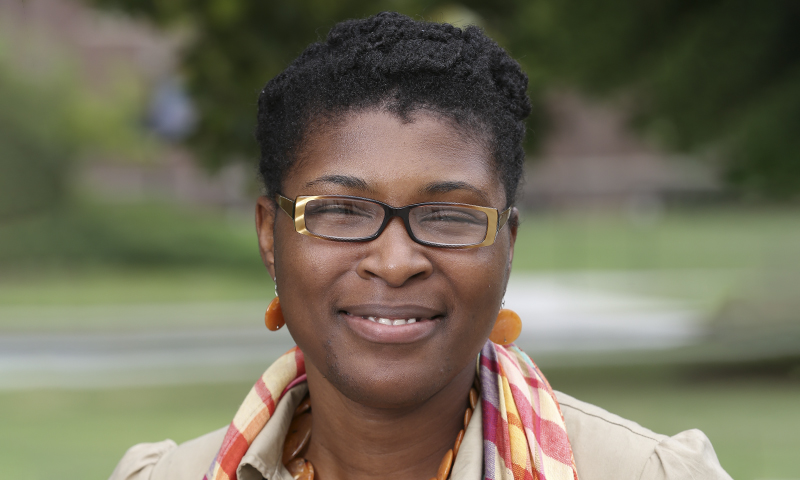


Ph.D., University of Illinois at Chicago
M.S., University of Illinois at Chicago
B.A., Southern Illinois University at Carbondale




Economics majors can extend their academic experience through programs offered by the Centennial Center for Leadership, Entrepreneurship and Innovation, a hub for hands-on experiential learning at HWS. Through workshops, leadership programs and collaborative projects, students develop skills in problem-solving, strategic thinking and ethical leadership while applying classroom knowledge to real-world challenges.
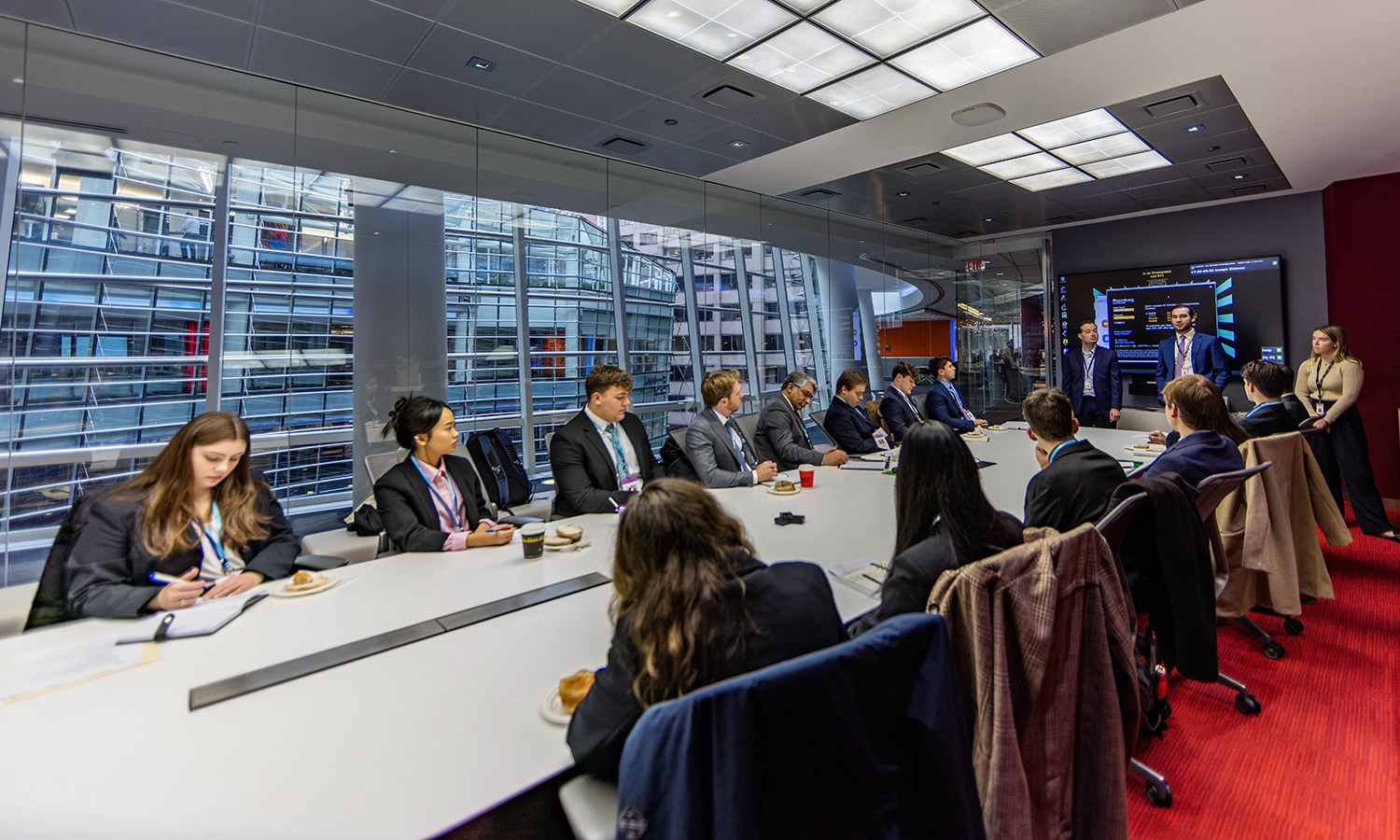
Career Treks connect you with alumni and organizations in major cities while introducing a range of career paths in fields such as finance, consulting and public policy. These immersive experiences provide behind-the-scenes access to workplaces, helping you build professional networks, gain industry insight and see how your Economics coursework translates into real-world careers.
![$intro-image[2]/descendant::img/@alt](/academics/economics/images/Copenhagen%2012.webp)
Our top-ranked study abroad program gives you the freedom to study Economics across the globe.
