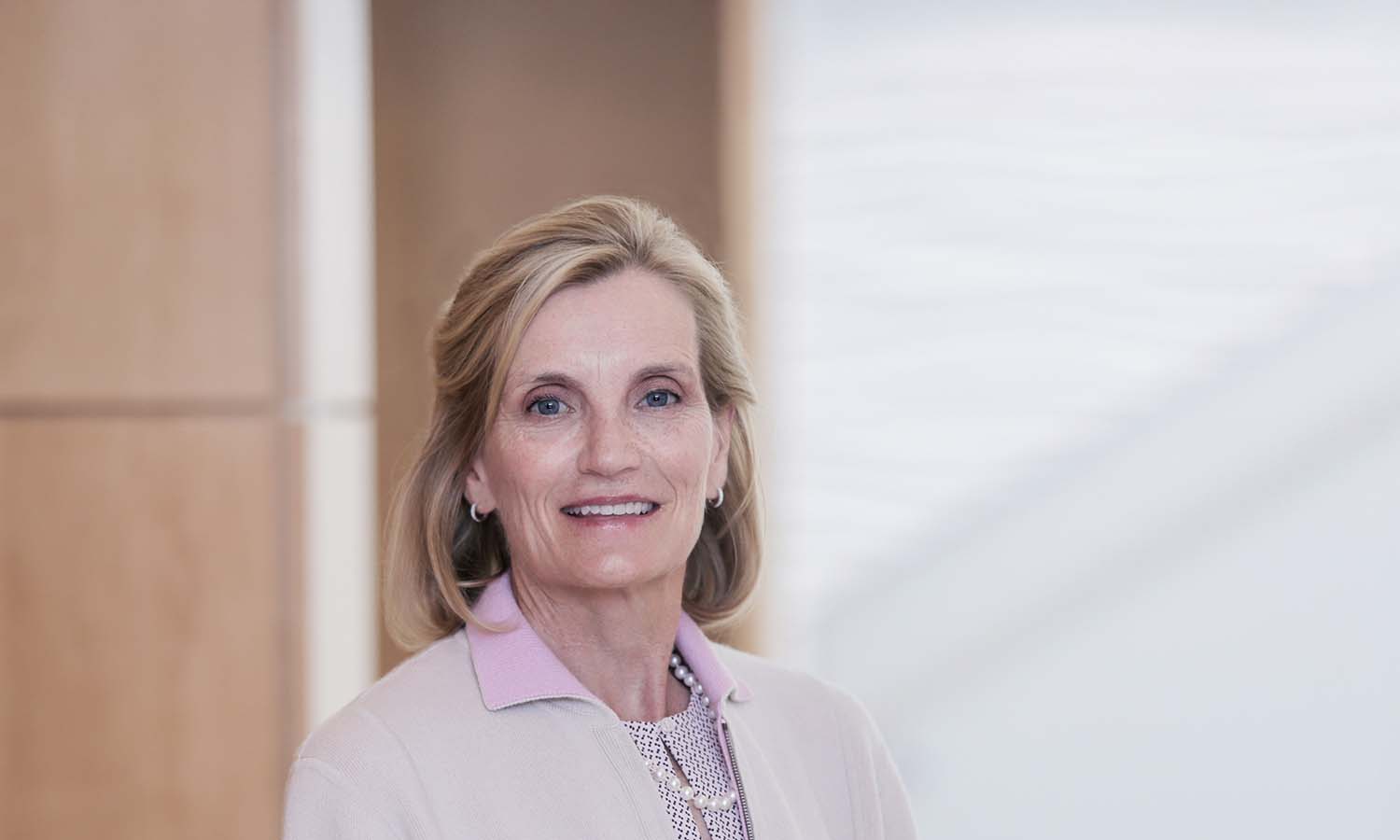
Cynthia Gelsthorpe Fish ’82, L.H.D. ’23 is an Honorary Member of the Board of Trustees and the lead donor to the Fish Center for the Sciences. Learn More.
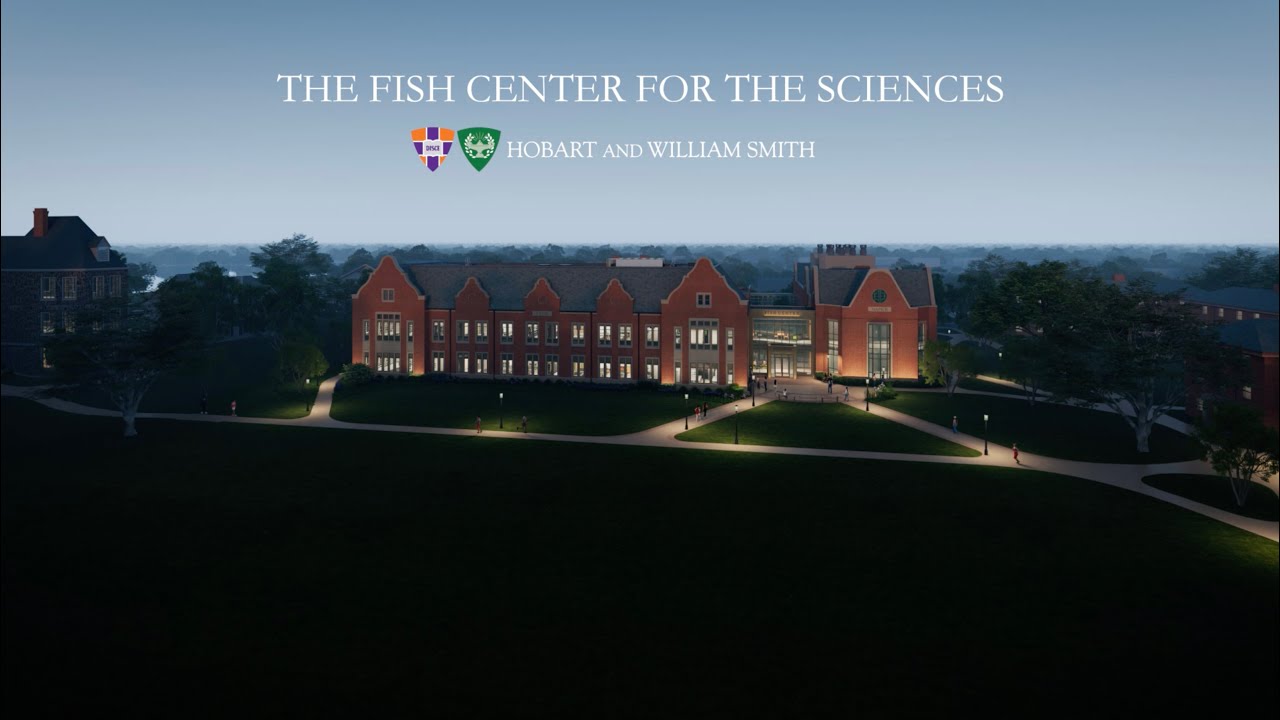
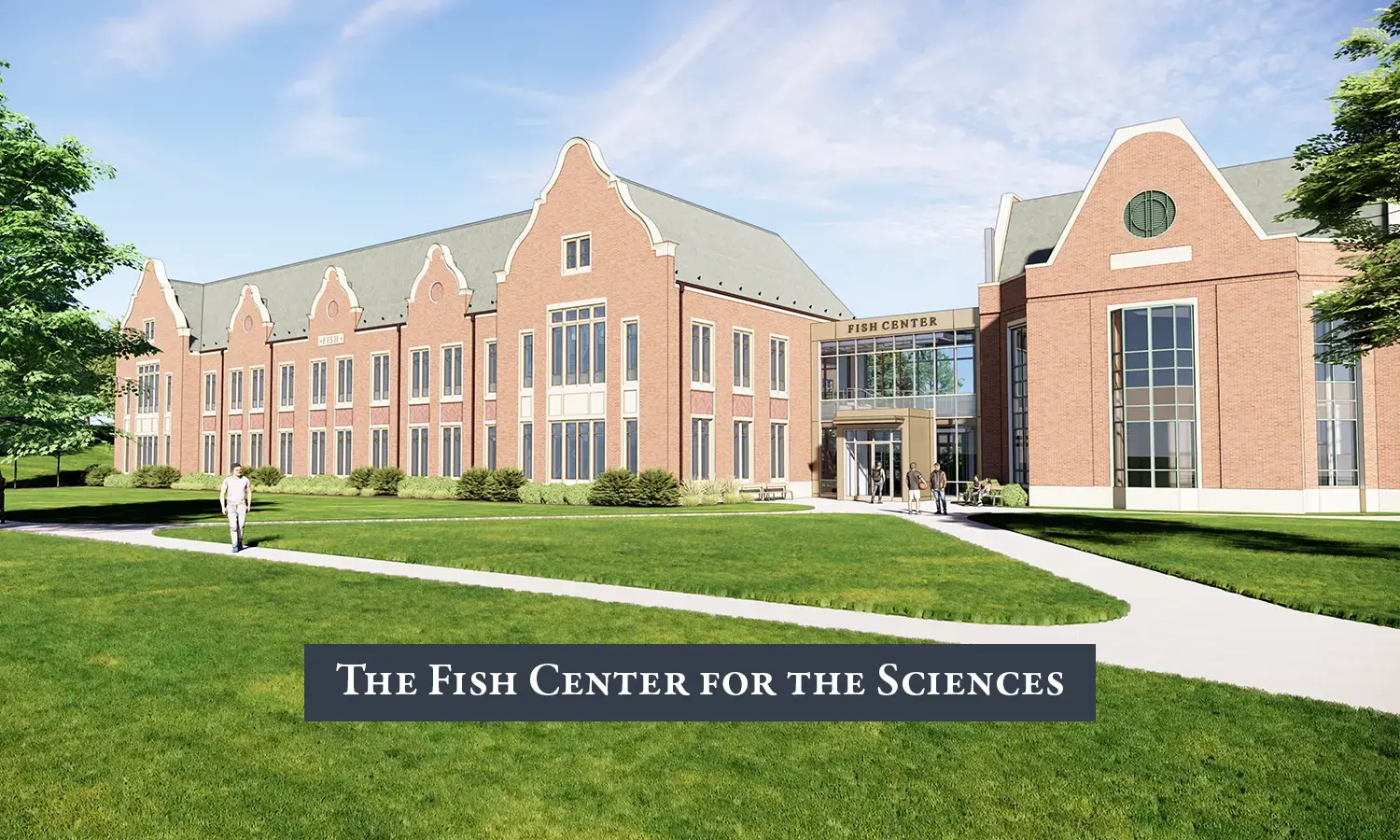
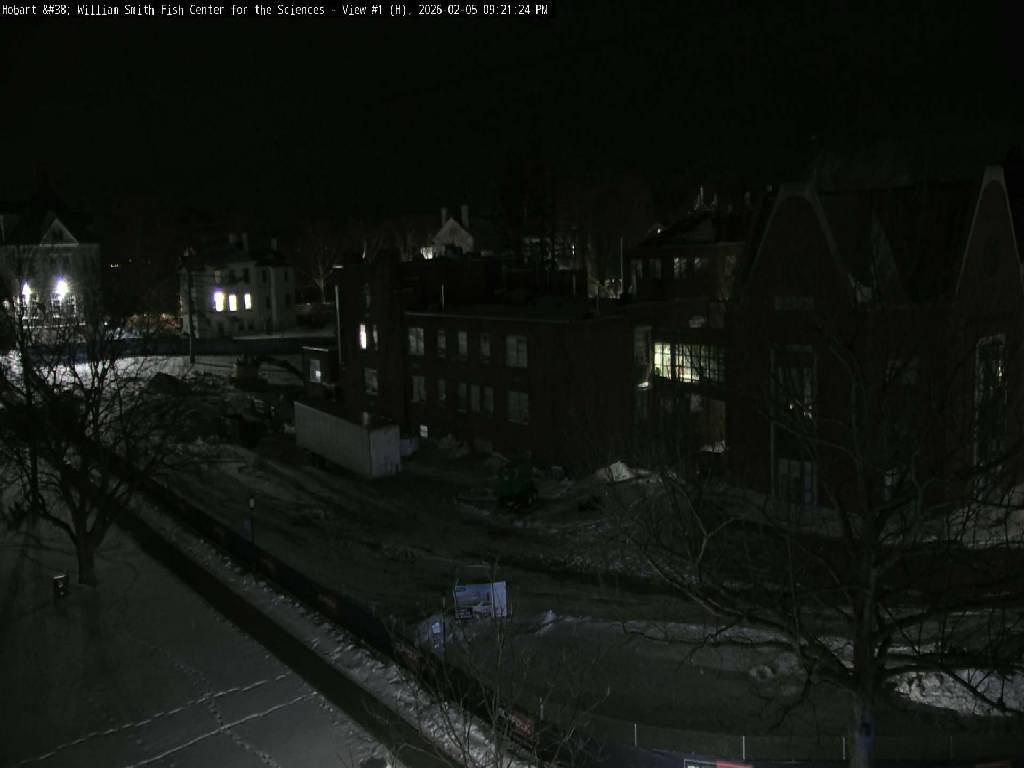
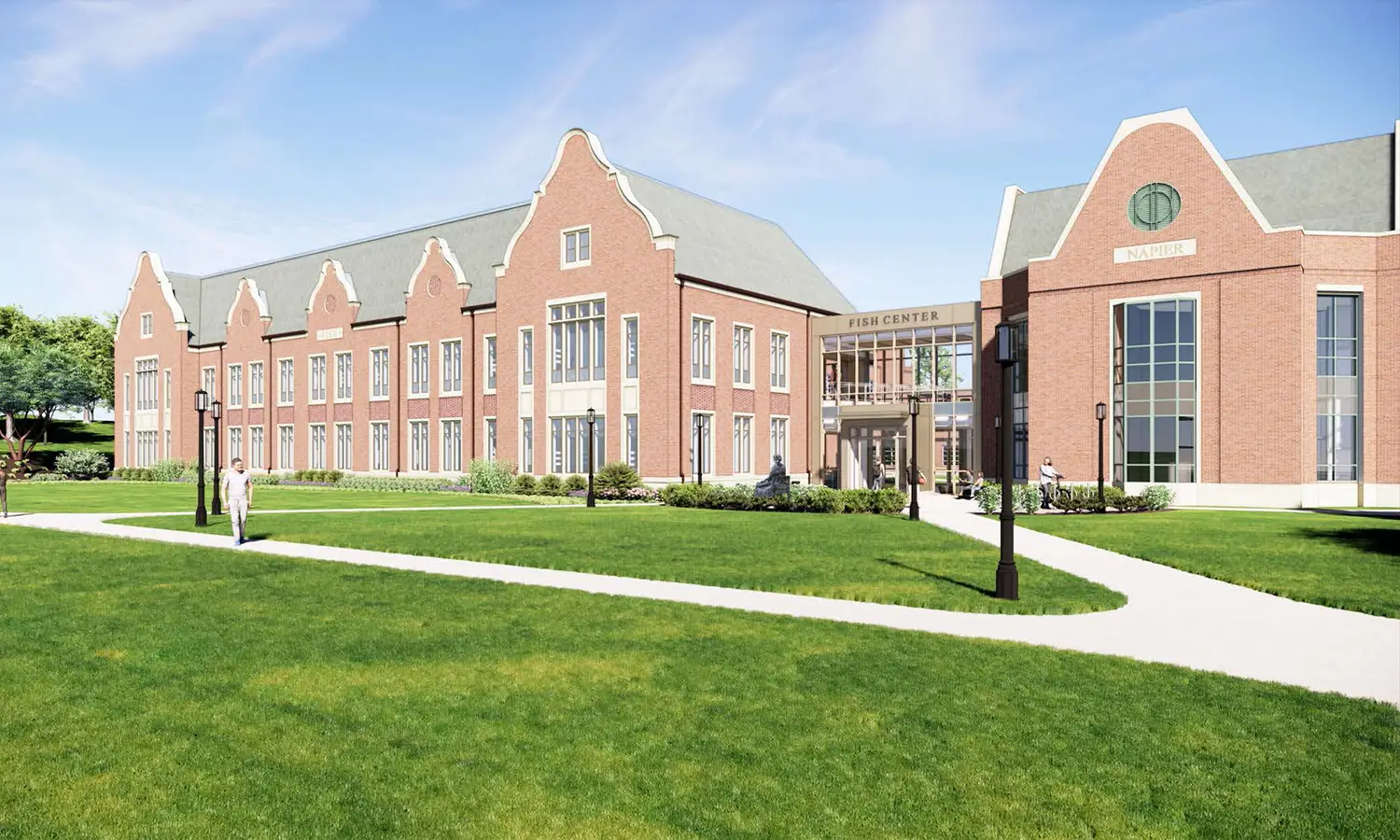
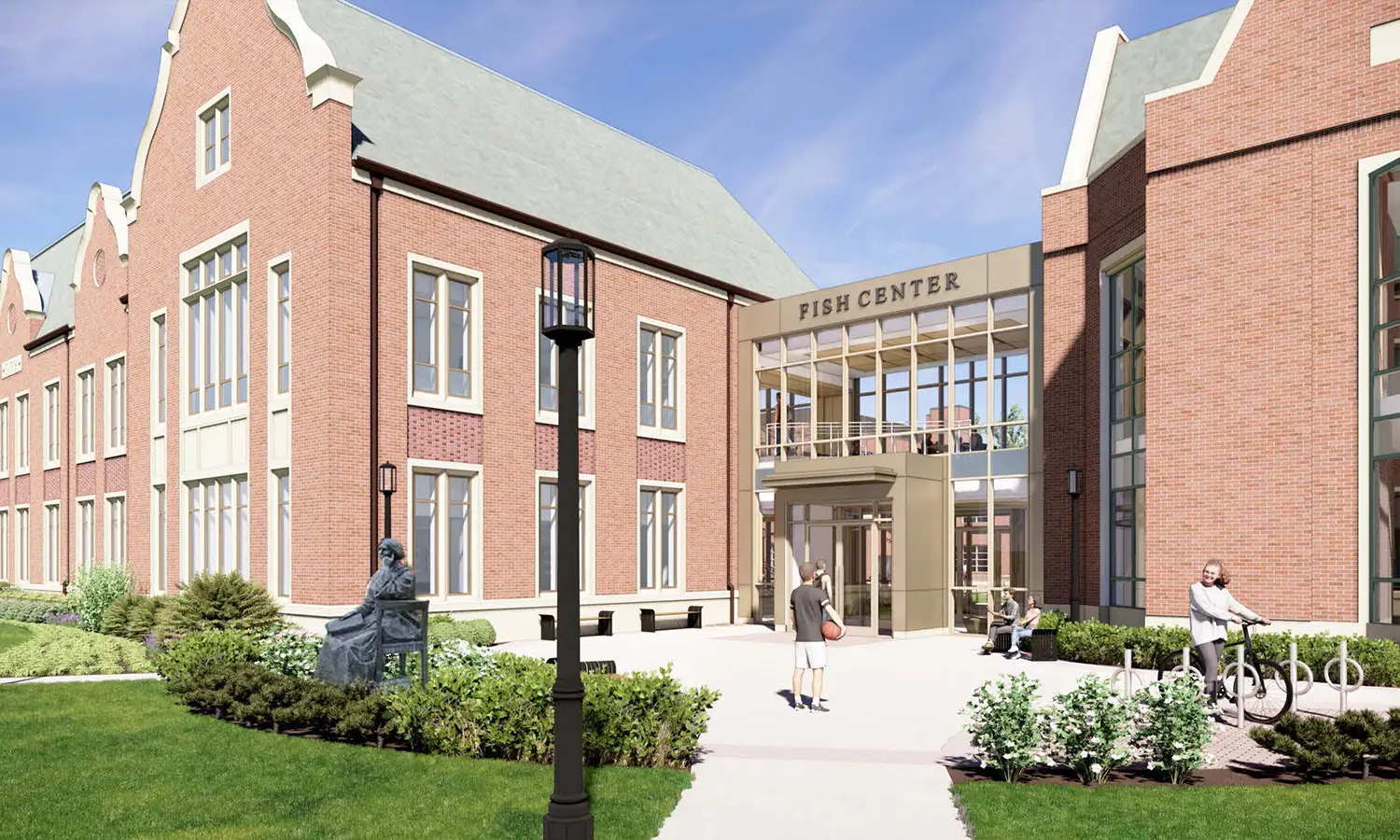
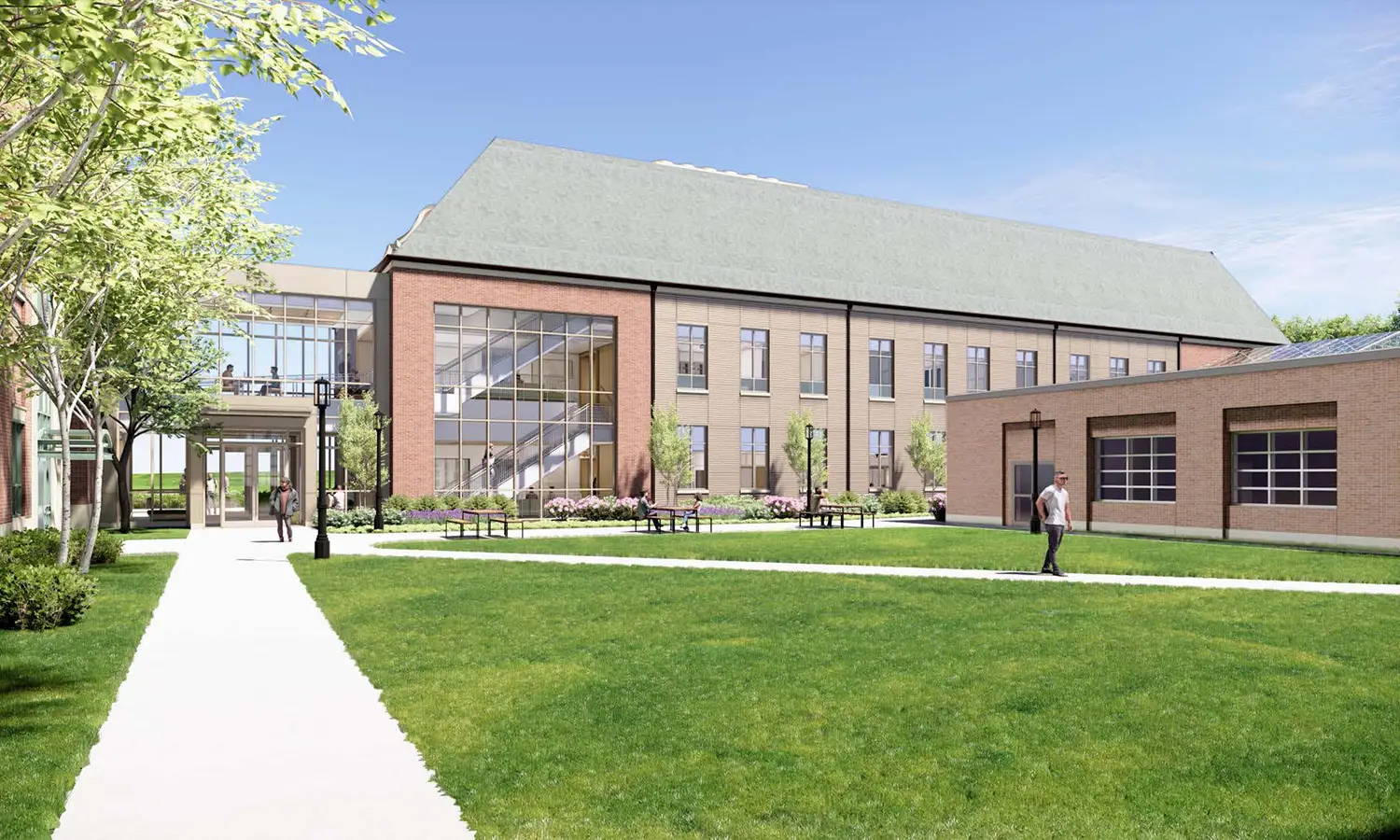
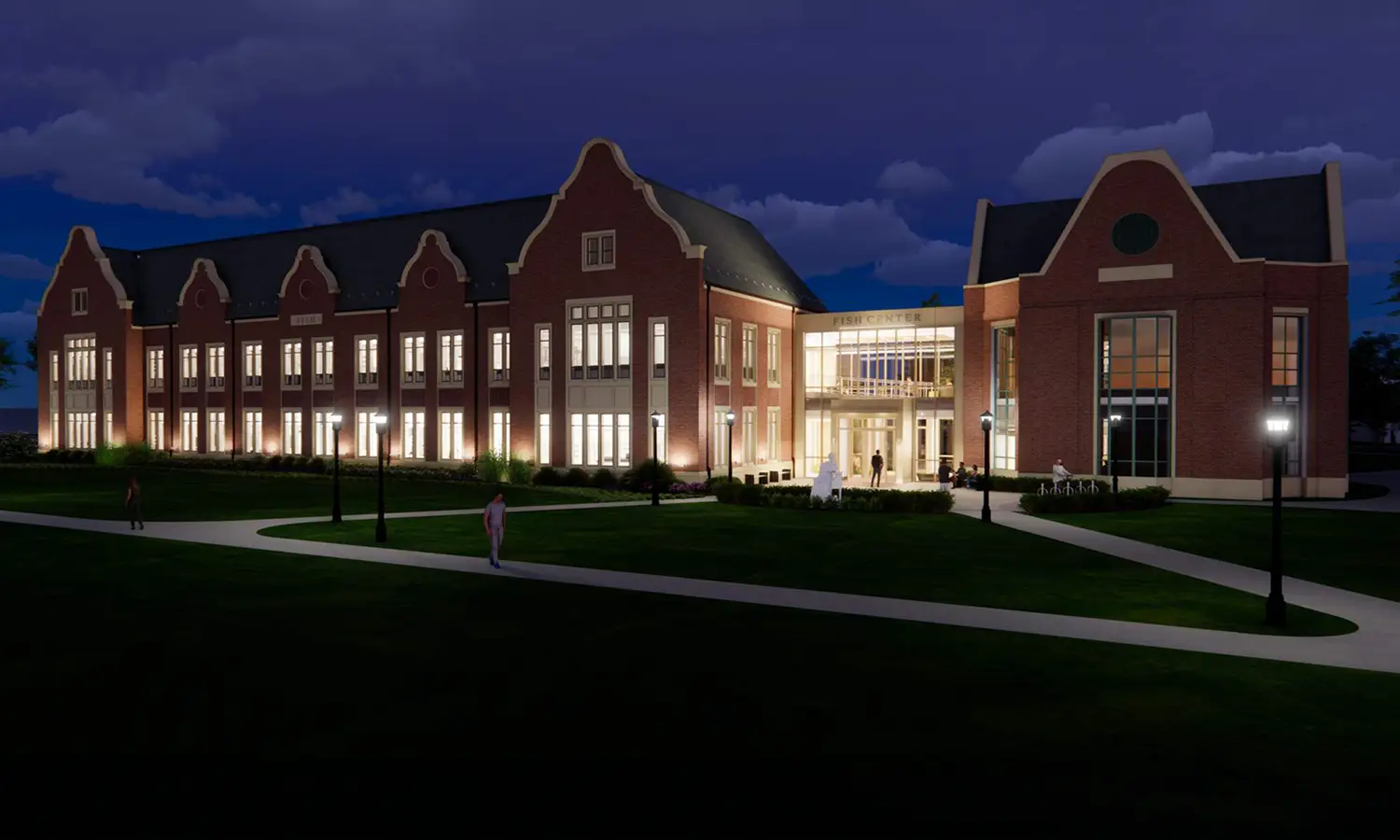
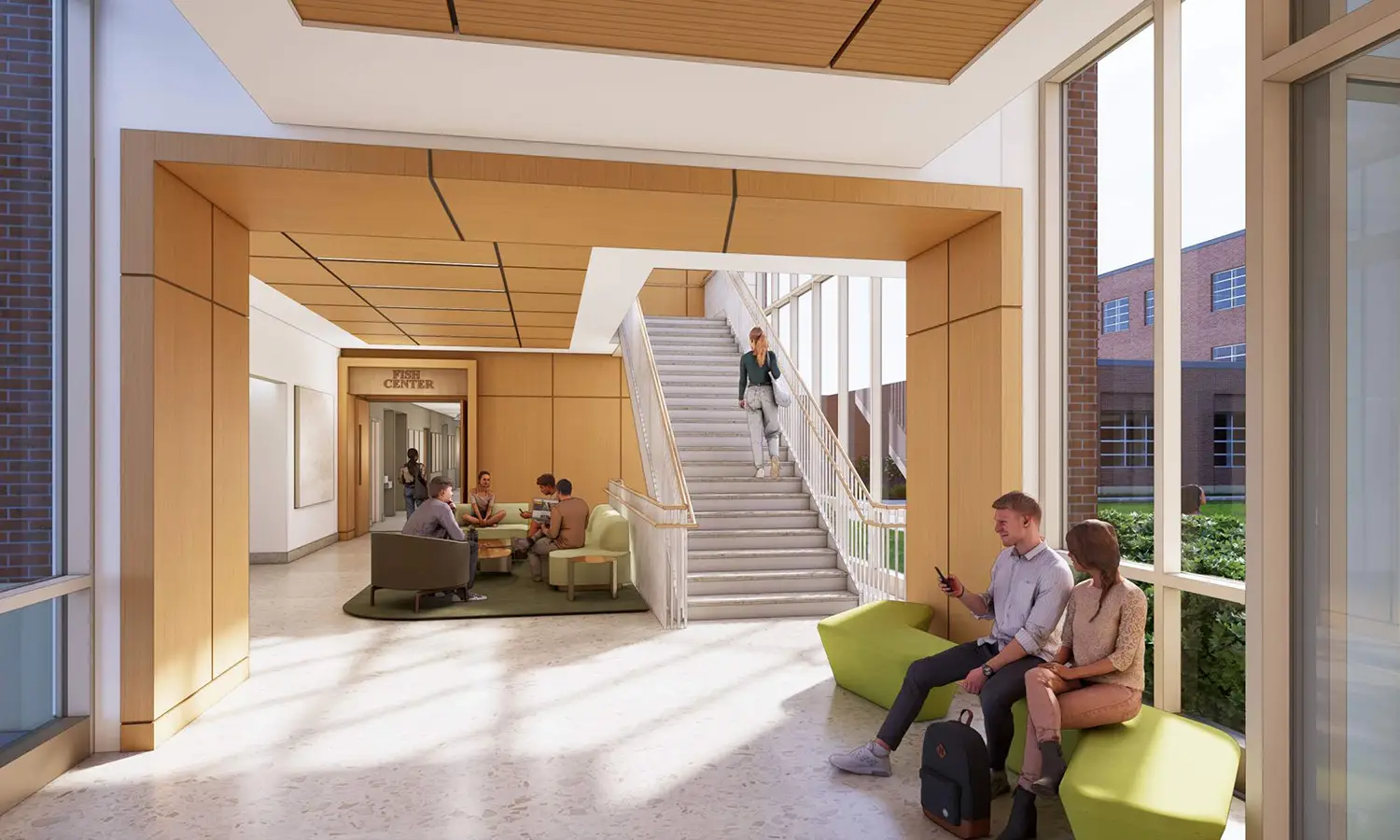
Construction is now underway on the Fish Center for the Sciences, a 40,000 square foot, state-of-the-art facility that will offer interdisciplinary teaching and laboratory spaces to support students across the science curriculum. Together with the revitalization of existing facilities, this project will create a cohesive, integrated hub for programs in the sciences and technology.
Be a part of making this vision a reality.
Naming opportunities offer a lasting way to champion curiosity, collaboration and impact.
Contact
Bob O'Connor P'22, P'23 Vice President and Senior Philanthropic Advisor Phone: (315) 781-3535 E-mail: oconnor@hws.edu
You can support the future of scientific discovery and join the Further Together campaign through an immediate gift.
Integration and collaboration are key themes as we envision the future of the sciences at HWS. Indeed, a cohesive vision is vital to meet society’s shifting scientific needs. Students and faculty will cross disciplines to understand and protect the environment, sustain and enhance health, and understand how an explosion of data and the introduction of artificial intelligence raises new societal questions and helps to address those same questions.
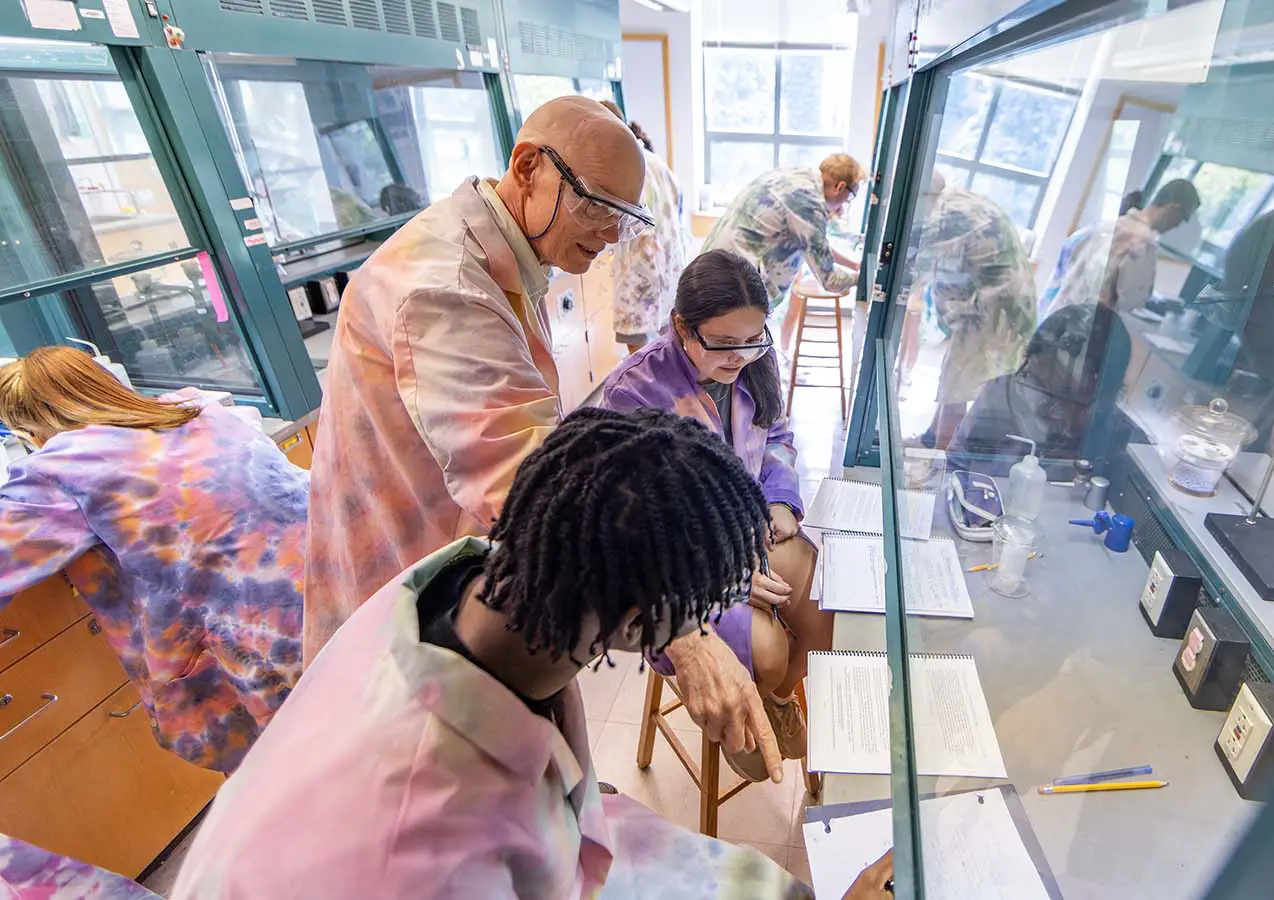
About 40% of all HWS students major or minor in at least one science, while all students are required via the general education curriculum to take at least one course in the sciences.
HWS science faculty have collaborated to develop a curricular structure that enables and encourages integrated science experiences for both majors and non-majors to ensure that all HWS students understand the role of science within society. Three new named academic hubs will be established as part of this holistic approach, with research and work stream alliances happening beneath each academic hub.
The Hub for Mind, Matter and Computation
The Hub for Mind, Matter and Computation reflects the interdisciplinary ethos that defines an HWS education. Bridging psychological sciences, physics, mathematics and computer science, this Hub explores the intersections of human cognition, the physical world, neuroscience and computational innovation. In an era shaped by artificial intelligence and technological transformation, this Hub will foster collaborative research and hands-on learning, empowering students and faculty to address complex challenges with intellectual agility and ethical insight. Anchored in the liberal arts, it will be a vibrant nucleus of inquiry where critical thinking and computational power converge to advance knowledge and prepare tomorrow’s leaders in science, technology and society.
The Hub for Chemical and Biological Discovery - Reserved
The Hub for Chemical and Biological Discovery highlights the integrated nature of biology and chemistry – especially at HWS – reflecting the powerful synergy between these disciplines in advancing scientific understanding. This Hub provides a collaborative environment where students and researchers engage in groundbreaking research, exploring the molecular foundations of life and developing innovative solutions to global challenges, from human health to environmental sustainability. Designed to inspire discovery and foster interdisciplinary training, this Hub will prepare the next generation of scientists to push the boundaries of knowledge in both chemical and biological sciences.
The Hub for Earth, Environmental and Aquatic Sciences - Reserved
The Hub for Earth, Environmental and Aquatic Sciences underscores the power of an integrated approach to understanding the natural world. Uniting the expertise of faculty and students in geology, environmental science, atmospheric science, biology and aquatic studies, this Hub fosters collaborative research and experiential learning grounded in the Finger Lakes region and extending globally. As environmental challenges grow more complex and urgent, the Hub will serve as a catalyst for innovation, education and stewardship – preparing HWS students to lead efforts that protect and sustain Earth’s ecosystems in a rapidly changing world.
Interactive Map
Roll over a space for more information.
Lower Level
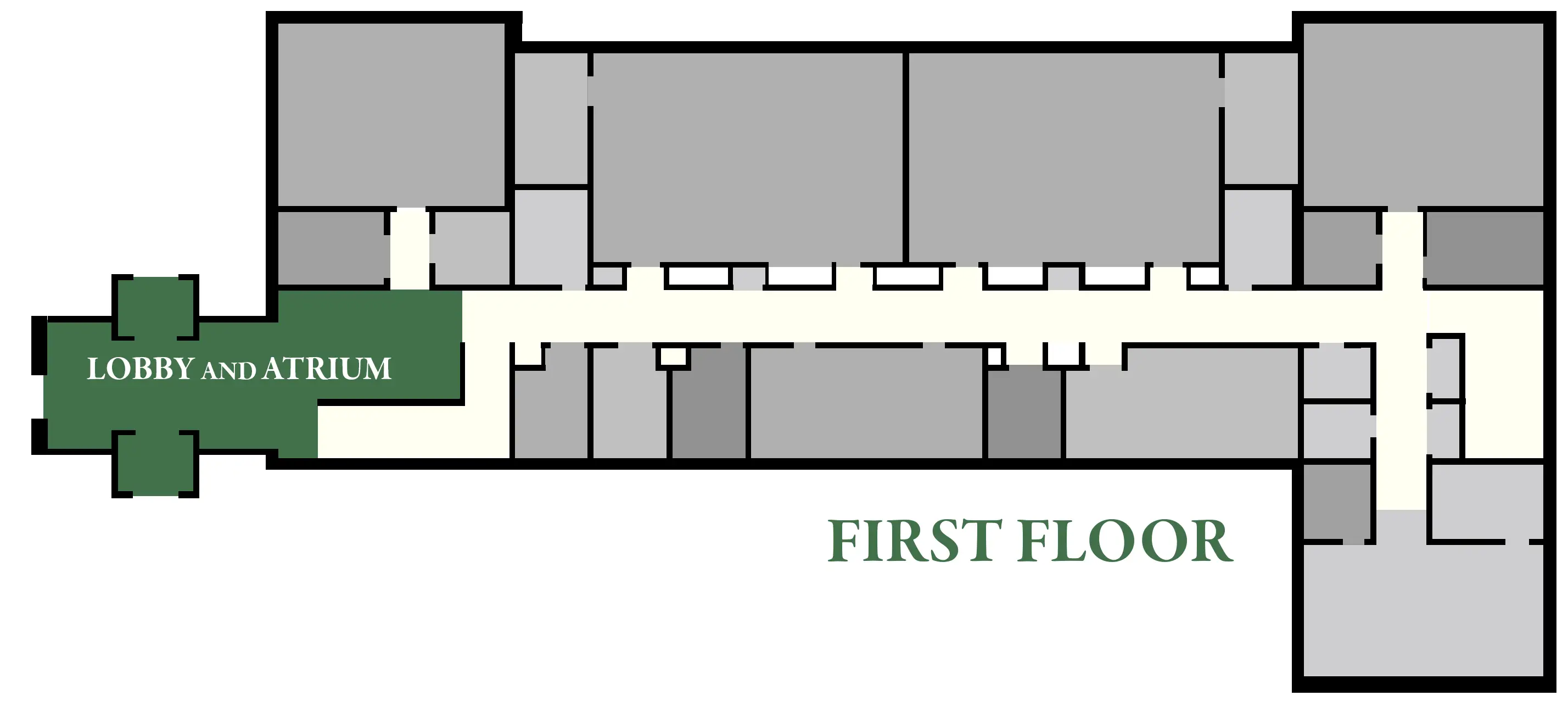
First Floor
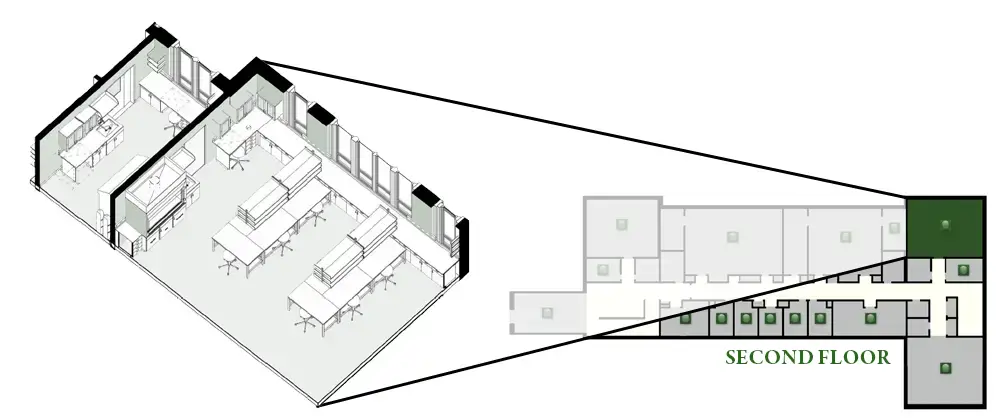
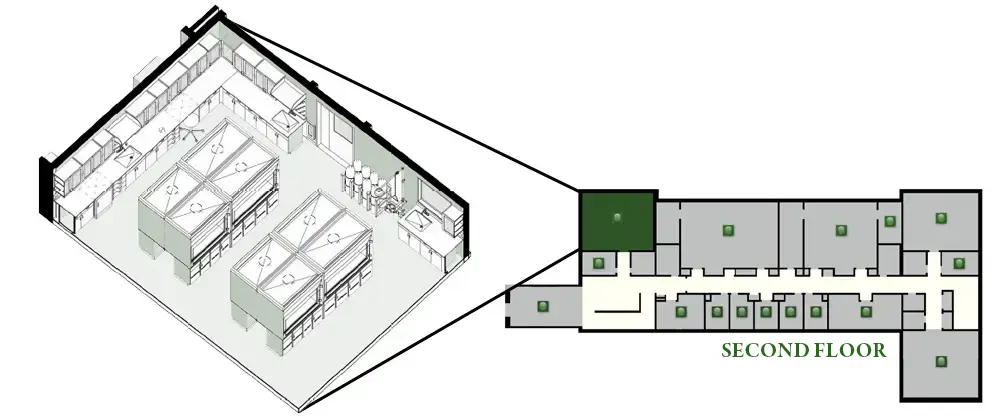
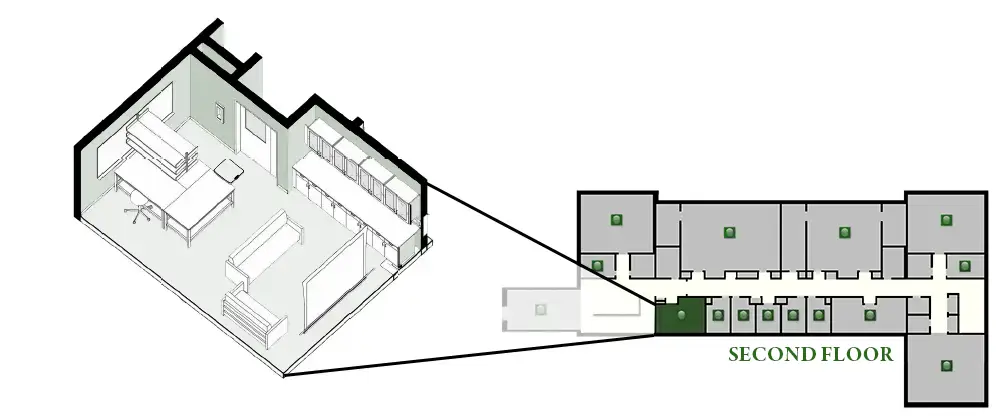
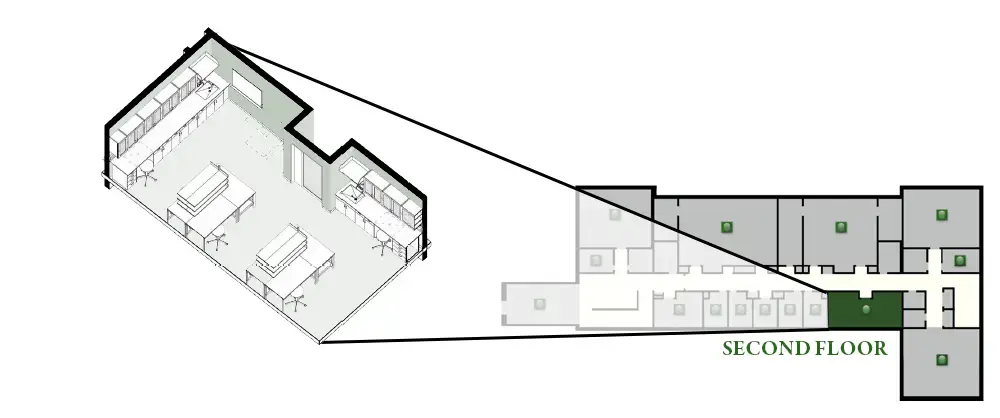
Second Floor
Top Floor
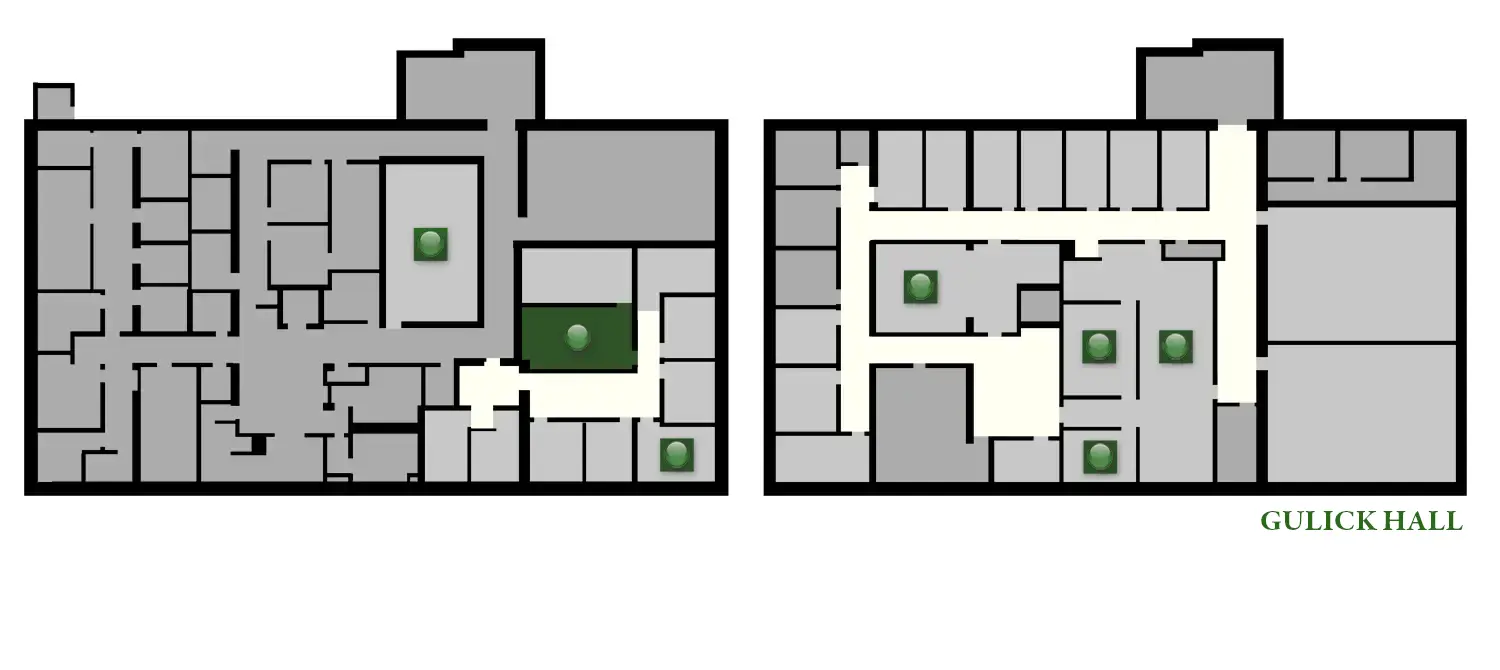
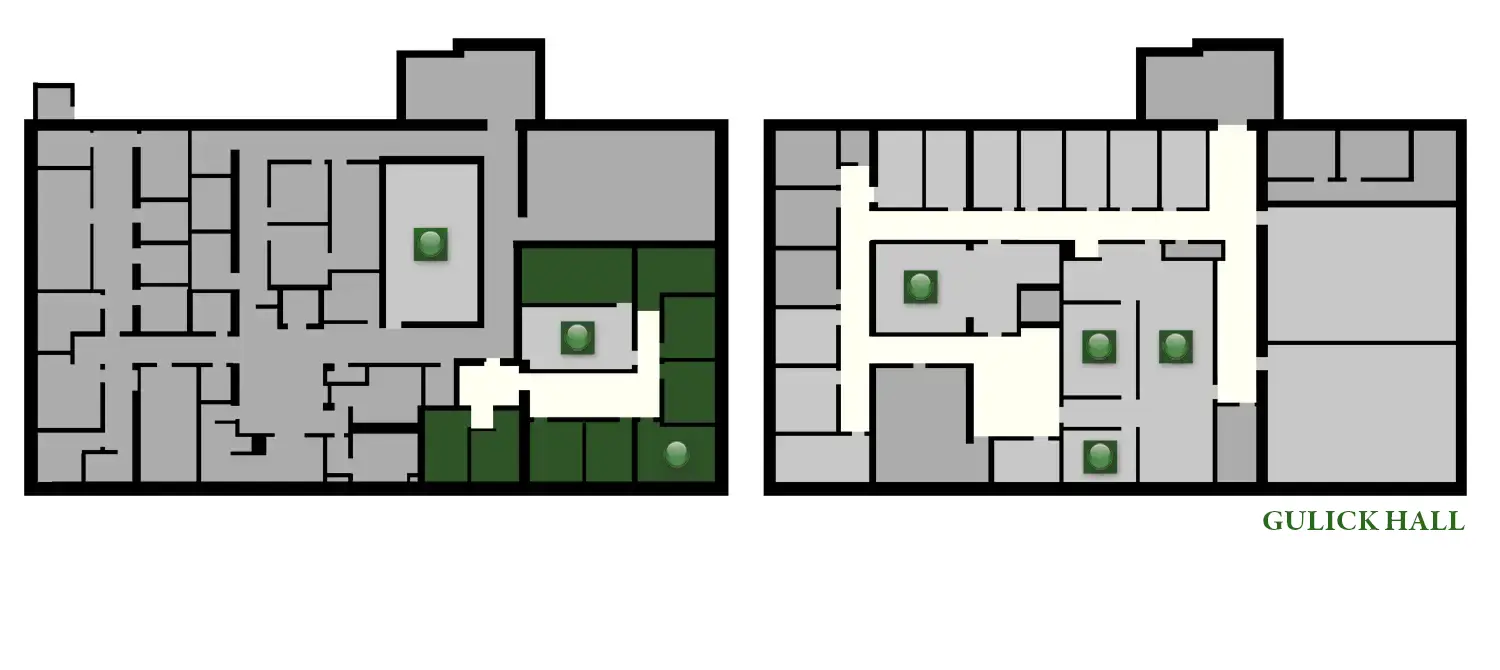
Gulick Hall
Please note, these spaces are subject to change and may be reserved.
All Naming Opportunities
Lobby and Atrium ($750,000) - Reserved
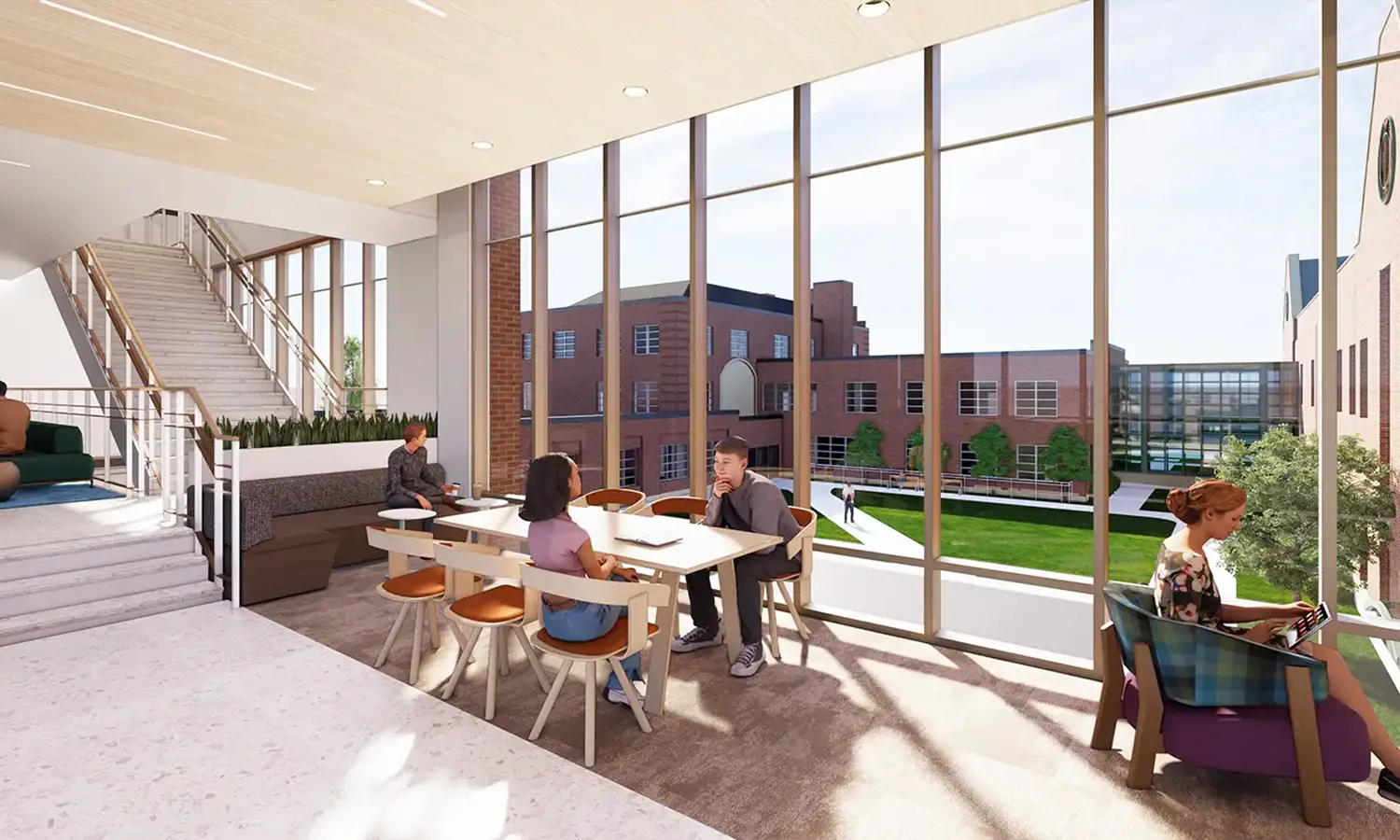
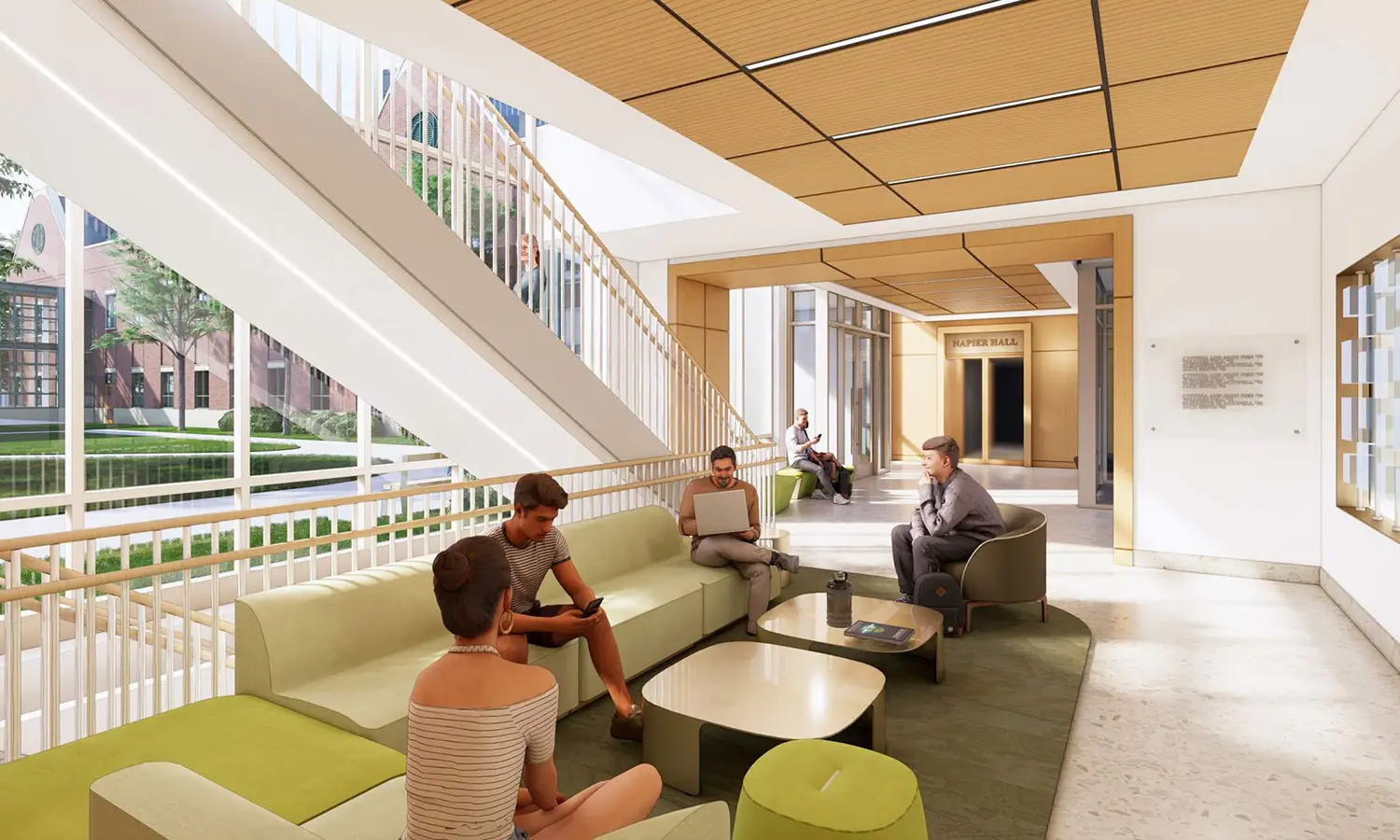
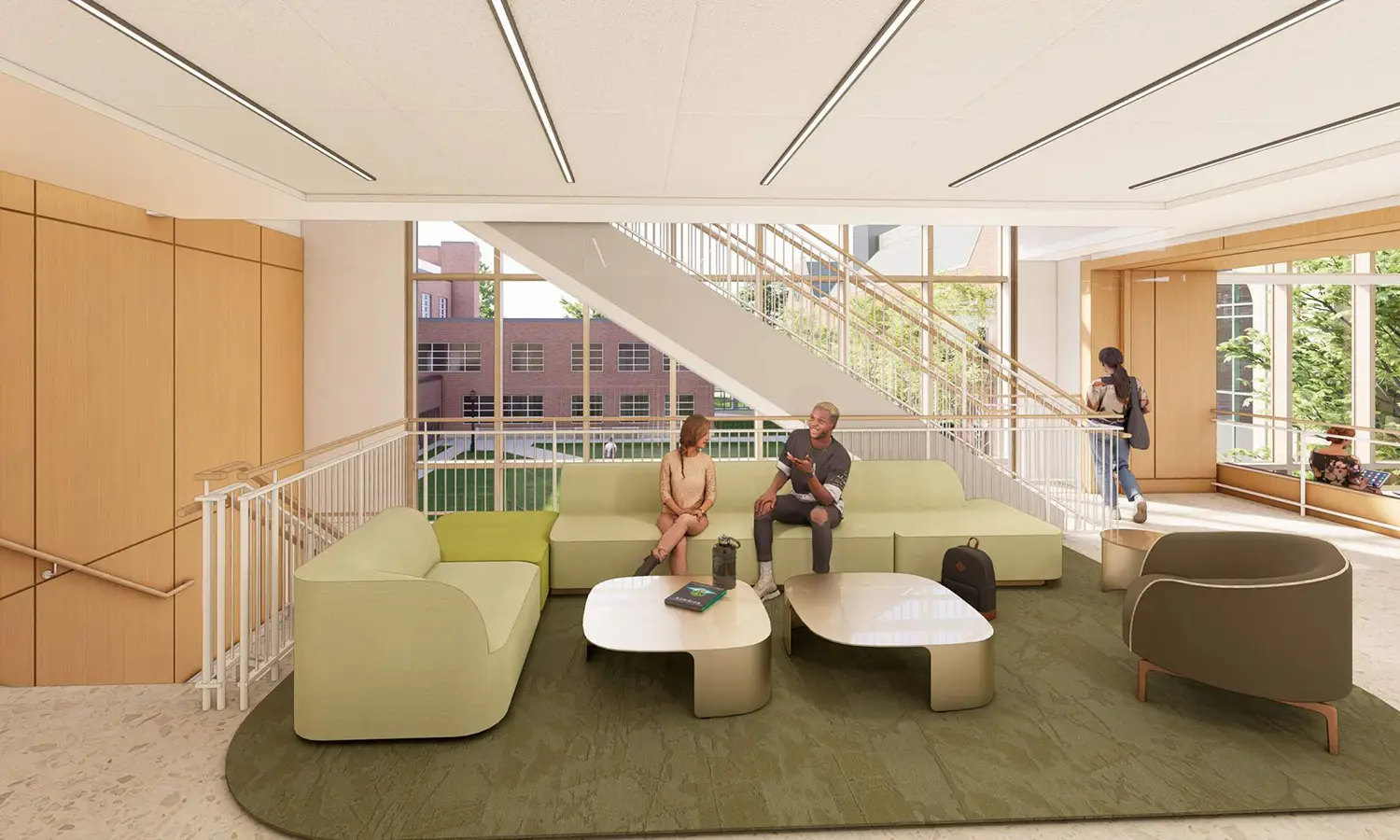
This light-filled atrium serves as the welcoming gateway to Hobart and William Smith’s new integrated science initiative – a striking glass structure that seamlessly connects the Fish Center for the Sciences to Rosenberg Hall and the Napier Classroom Center. Linking the historic Main Hobart Quad to the serene, tree-lined Science Quad, the new atrium invites students, faculty and visitors into a vibrant crossroads of discovery. With views of Lansing Hall and Albright Auditorium, and near Gulick Hall, the atrium anchors a growing hub of scientific activity on campus. With groupings of soft seating and worktables, this is a place for informal gatherings, homework sessions, teaching fellow meetings and faculty-student interactions. The atrium will provide opportunities for connection, conversation and collaboration, reflecting the interdisciplinary spirit at the heart of HWS’ scientific enterprise.
Serving as a lasting tribute to those whose generosity helps sustain and advance scientific inquiry for generations to come, a donor wall will be prominently displayed in the atrium.
Plaza Entrance ($1 million)
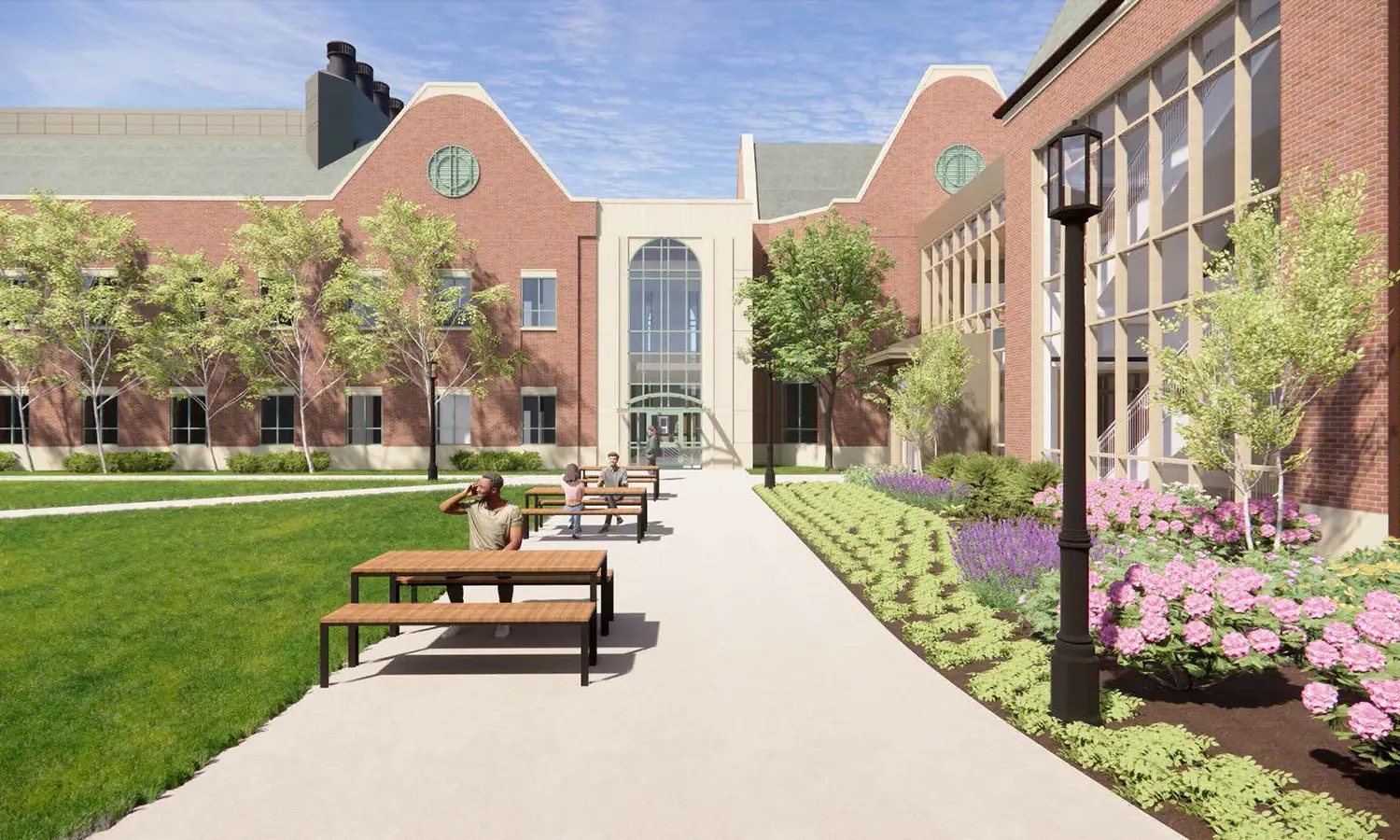
Positioned at the pivotal intersection of tradition and innovation, the Plaza Entrance serves as a vital bridge between the historic Hobart Quad and the future of campus life. This expansive gateway seamlessly integrates The Fish Center with the existing Napier Hall, creating a natural flow for students and faculty. More than just a thoroughfare, the plaza is designed as a welcoming threshold that invites our community to pause, connect, and transition into a space of discovery.
Science Quad - Reserved
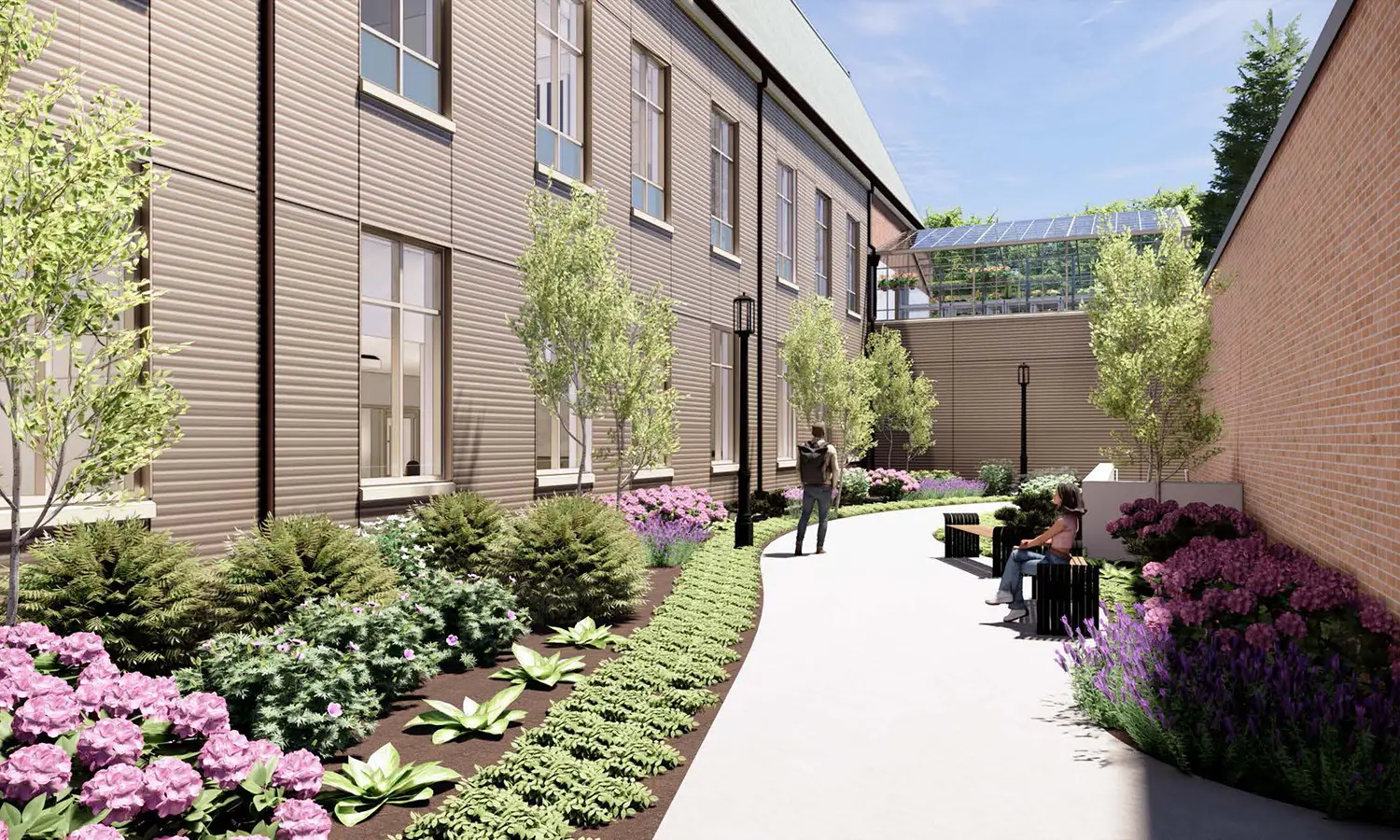
Beyond the glass doorway, at the heart of our new sciences complex lies the Science Quad, a serene, enclosed courtyard designed as an extension of the classroom. Framed by The Fish Center for the Sciences, Napier Hall, Lansing and Albright Auditorium, this protected green space provides a 'living laboratory' where students and faculty from across disciplines can converge. With its winding walkways and seating spaces, the quad is designed to foster conversation and the exchange of ideas beyond the classroom.
Bridge to Rosenberg ($500,000)
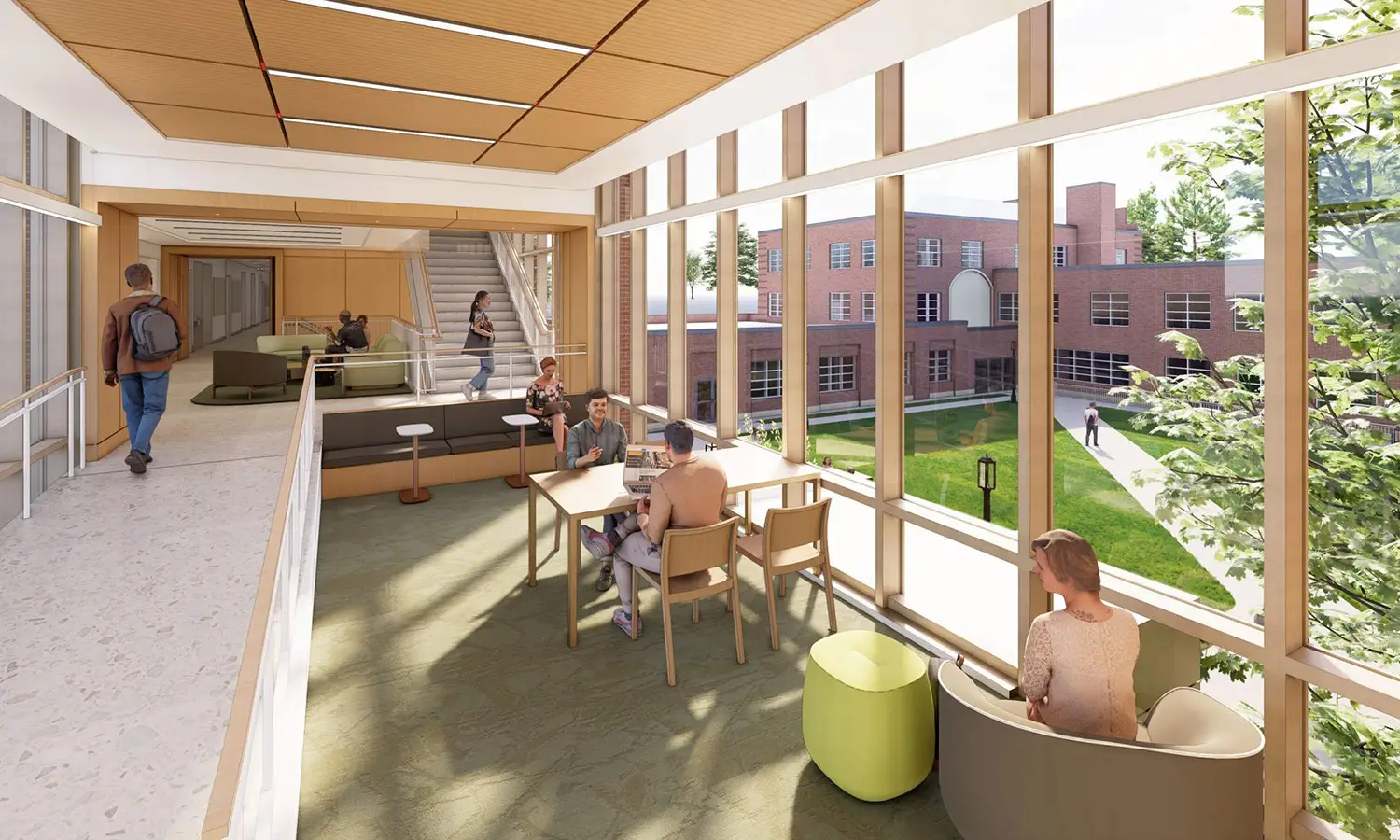
Connecting the Fish Center for the Sciences to Napier Hall on the second floor of each building will be a prominent glass hallway, creating a seamless transition between old and new. This space will offer a unique view above the Plaza Entrance and Science Quad and further connect and promote interdisciplinary work between academic departments.
16 New Laboratories for Research and Teaching
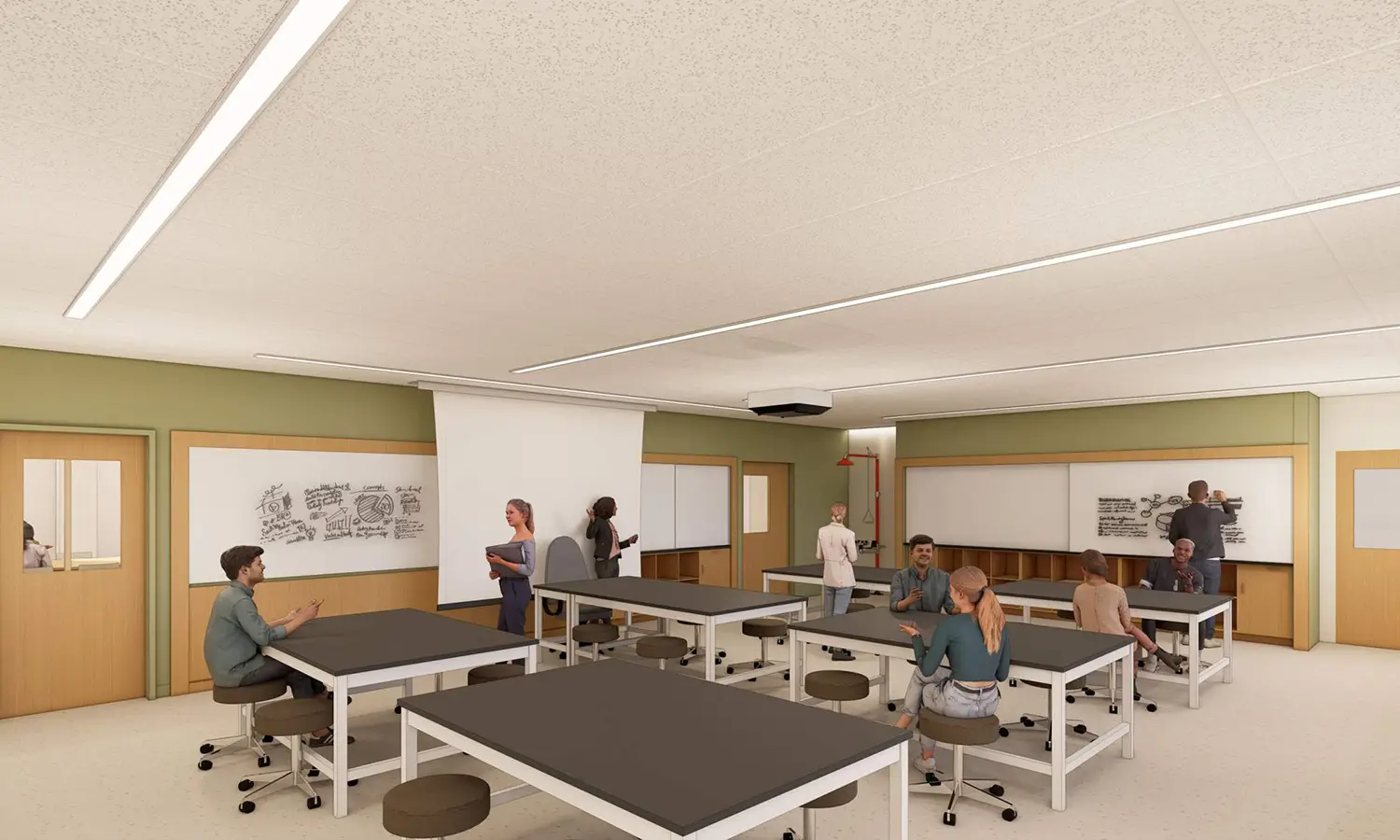
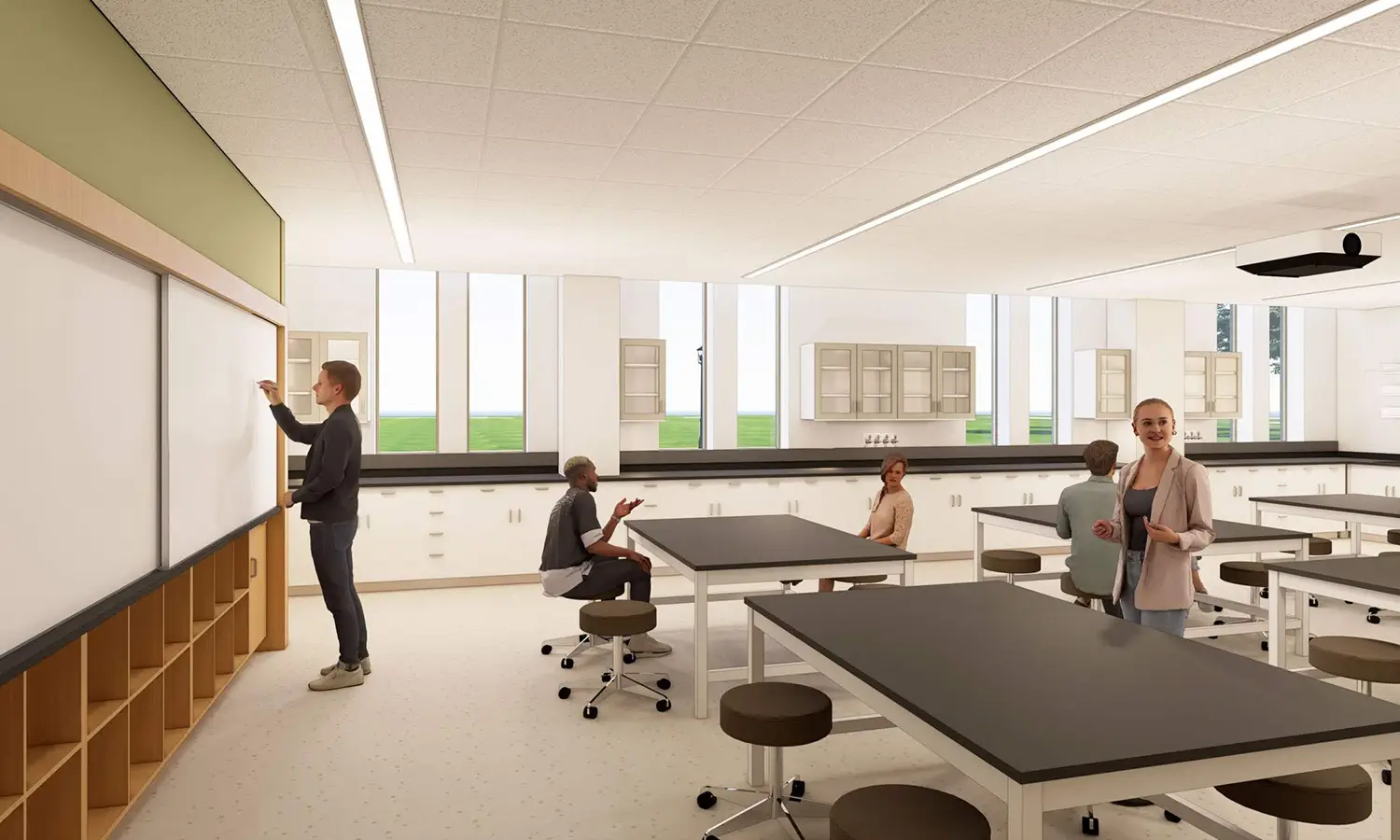
The new Fish Center for the Sciences will include 16 state-of-the art laboratories dedicated to different branches of study, giving our undergraduate students the opportunity to have hands-on experiences.
Geoscience Research Lab($250,000)
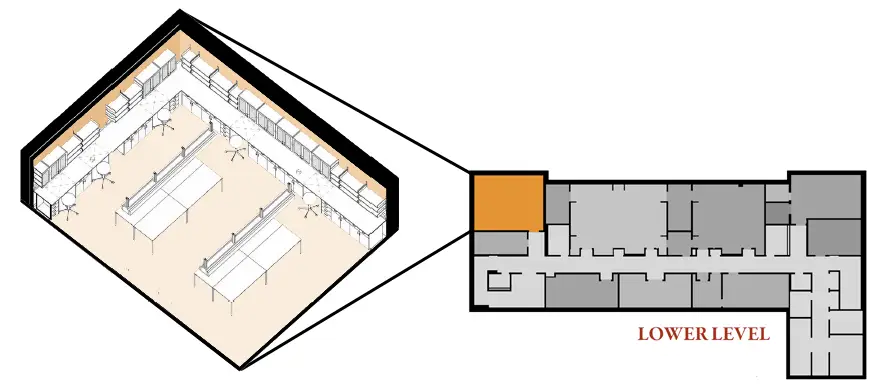
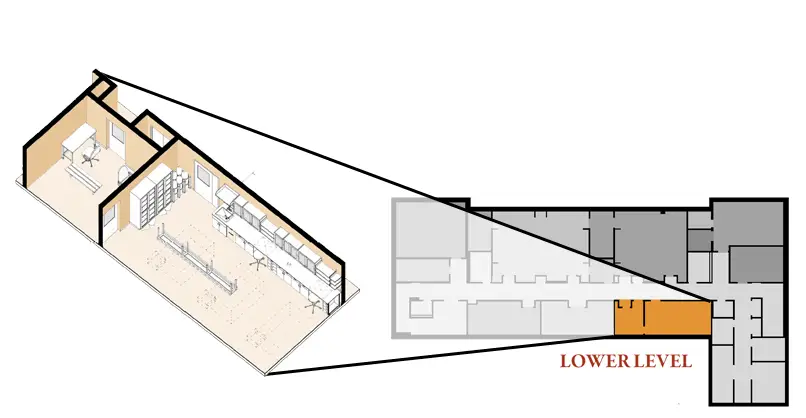
Located in the lower level of the new Fish Center for the Sciences, this teaching lab supports the research of Associate Professors Tara Curtin and David Finkelstein and their students. Equipped for sediment analysis, sample preparation, GIS mapping and water table studies, the lab offers hands-on exploration of sedimentology, stratigraphy, paleoclimate work and watershed dynamics to investigate modern and ancient environmental systems.
Geoscience Research Lab ($250,000):
Located on the lower level of the new Fish Center for the Sciences, this lab supports the research of Professor Nan Crystal Arens and Associate Professor David Kendrick and their students. Focusing on paleontology, terrestrial environments, mass extinctions and microplastics in the environment, the lab combines hands-on fossil work and field-based science, enabling students to study early ecosystems, analyze mineral and fossil structures, and contribute to long-term geological and biological datasets.
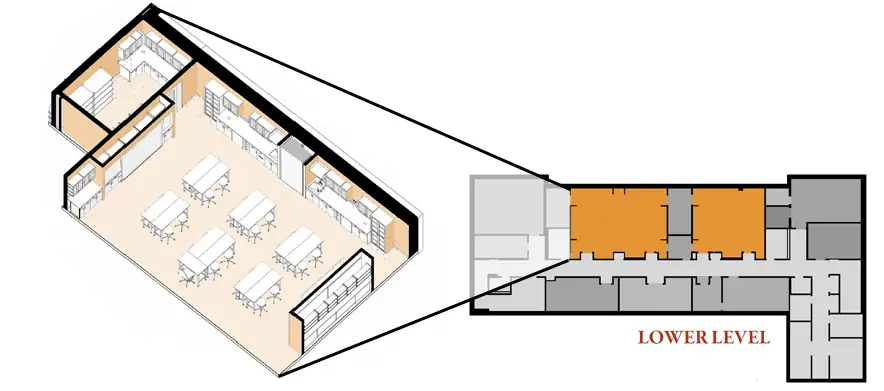
Two Geoscience Teaching Labs ($1 million/each):
Located on the lower level of the Fish Center for the Sciences, these two labs will be interdisciplinary, field-integrated spaces where faculty and students examine the physical, chemical, geological, atmospheric and biological processes shaping Earth, with a strong emphasis on human-environment interactions, climate systems, global change and weather. Leveraging HWS' location in the Finger Lakes, alongside international partnerships and study-abroad opportunities, these labs will link local data to global patterns.
Physics Research Lab($250,000):
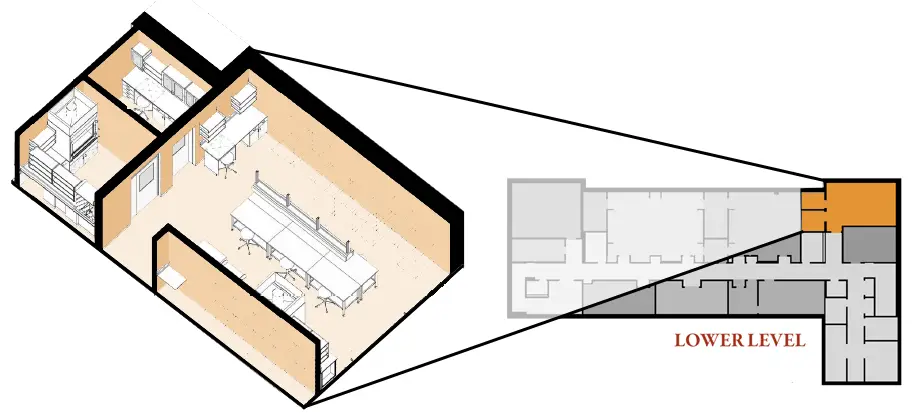
Located in the lower level of the Fish Center for the Sciences, this lab supports Associate Professor Ileana Dumitriu’s research in optical spectroscopy, remote sensing and photonics. It combines drone-based hyperspectral imaging of environmental phenomena like harmful algal blooms with controlled molecular photophysics experiments, engaging students in both fieldwork and lab-based studies.
Physics Research Lab($250,000):
Located in the lower level of the Fish Center for the Sciences, this lab supports Professor Steve Penn’s research on gravitational-wave astrophysics, focusing on developing low-noise crystalline mirror coatings to enhance detectors like Advanced LIGO and Cosmic Explorer. Combining optical physics, materials science and precision engineering, the lab prepares students to advance groundbreaking gravitational wave detection technologies.
Biology Research Lab($250,000):
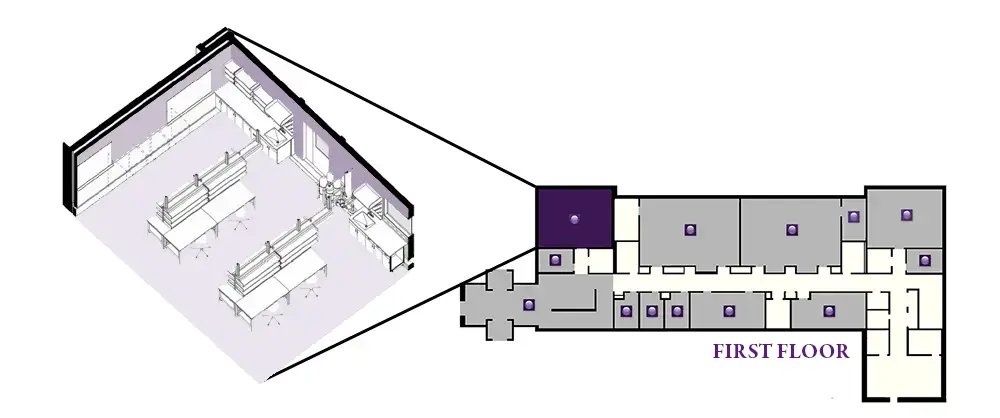
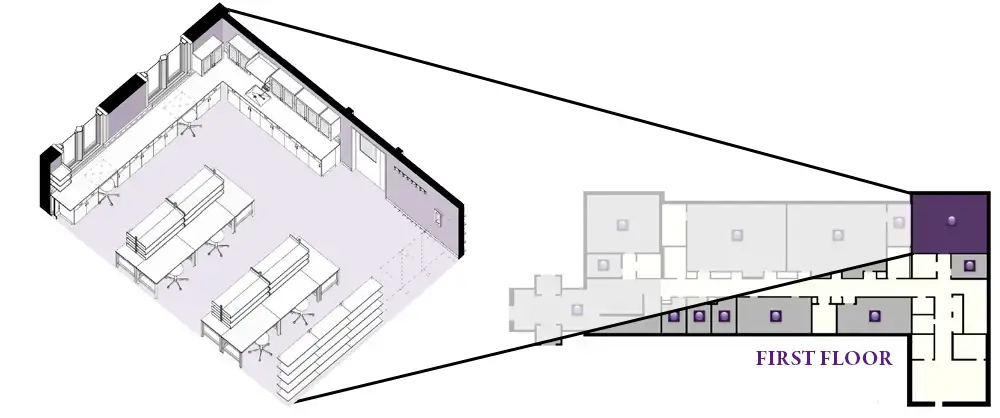
Located on the first floor of the Fish Center for the Sciences, this lab supports Associate Professor Shannon Straub’s research on molecular biology and phylogenomics of milkweeds and related plants. Students will engage in DNA extraction, sequencing and bioinformatics to study plant evolution and chemical defenses, combining hands-on lab work with computational analysis.
Biology Research Lab($250,000):
Located on the first floor of the Fish Center for the Sciences, this lab supports the research and teaching of Professors Megan Brown and Associate Professor Susan Cushman ’98. Focusing on freshwater ecosystem ecology, students study species interactions, water quality and human impacts through fieldwork and lab analyses, promoting an integrated approach to aquatic conservation and management.
Two Biology Teaching Labs($1 million/each) (1 of 2 Reserved):
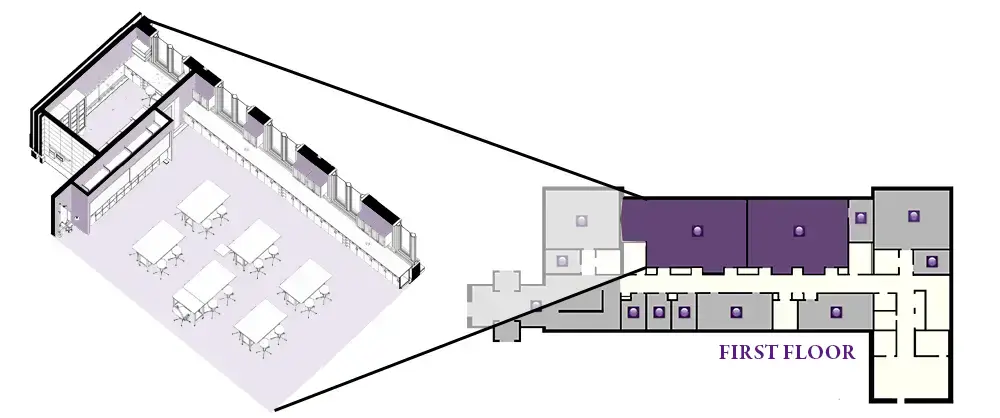
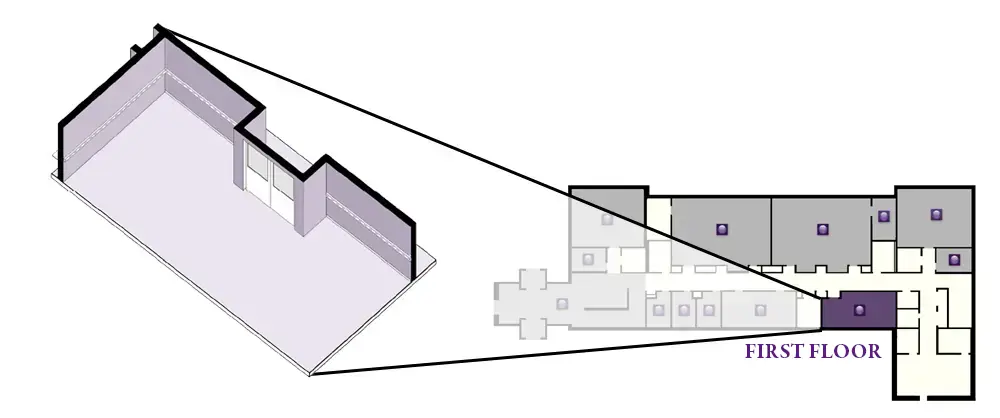
These general biology labs, both on the first floor of the new Fish Center for the Sciences, will provide hands-on spaces designed to support classroom learning, helping students develop practical skills in microscopy, molecular techniques and data analysis. They will prepare future medical professionals and researchers as well as students from all academic disciplines by offering foundational experiences that emphasize scientific inquiry, critical thinking and laboratory safety.
Biology Research Lab($250,000):Reserved
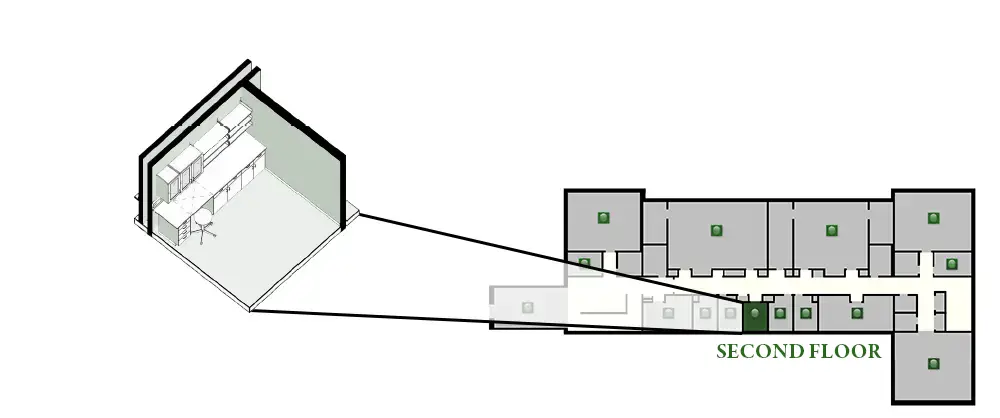
Located on the second floor of the Fish Center for the Sciences – importantly near chemistry – this lab supports Professor Patricia Mowery’s work on developing and testing novel anticancer compounds. Students will design and synthesize bioactive molecules and evaluate their effects on cancer cells, bridging chemistry and medical research.
Chemistry Research Lab($250,000):Reserved
This second-floor lab in the Fish Center for the Sciences supports the research of Professors Justin Miller and Erin Pelkey on synthesizing and testing novel anticancer compounds. Students design, create and evaluate bioactive molecules, integrating organic chemistry with biological assays to advance therapeutic development.
Chemistry Research Lab($250,000):
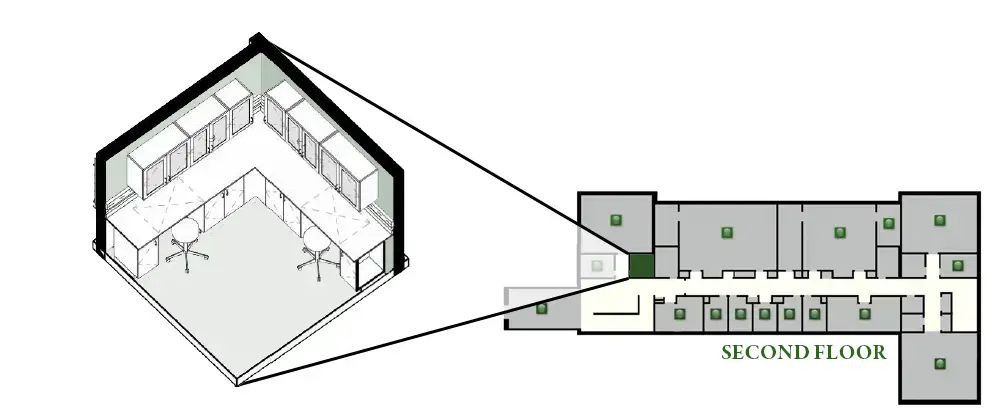
Located on the second floor of the Fish Center for the Sciences, this lab supports Assistant Professor Matthew Church’s ’14 research in computational chemistry, simulating ultrafast reactions in photochemistry and catalysis. Students use supercomputers and advanced methods to model transient chemical processes and uncover otherwise hidden insights.
Chemistry Research Lab($250,000):Reserved
Located on the second floor of the Fish Center for the Sciences, this lab supports Professor Kristin Slade’s research on how crowded cellular environments affect enzyme behavior, focusing on malate dehydrogenase (MDH). Students purify and study MDH mutants to explore enzyme function and its links to aging and disease.
Chemistry Teaching Lab($1 million):Reserved
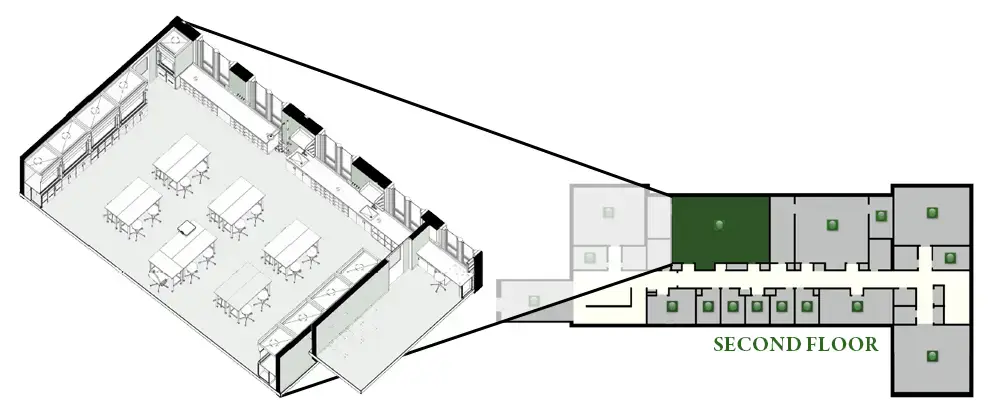
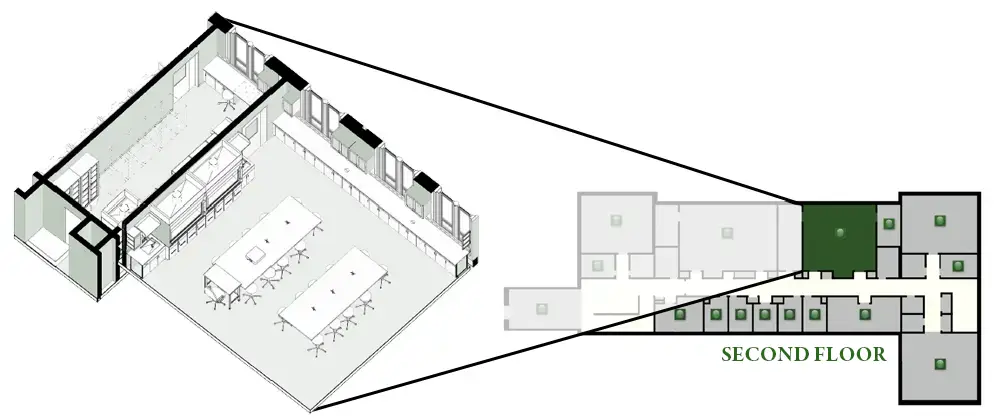
This lab on the second floor of the new Fish Center for the Sciences will support hands-on learning for chemistry courses, allowing students to practice essential techniques such as titrations, spectroscopy and chemical synthesis. The lab will prepare future medical professionals and researchers as well as students completing science prerequisites by emphasizing safe laboratory practices, critical thinking and accurate data analysis.
Biochemistry Teaching Lab($1 million):
On the second floor of the Fish Center for the Sciences, this lab will provide students with hands-on experience in biochemistry, emphasizing practical skills and an understanding of experimental processes. The lab will prepare students for careers in the medical field, research and other science-related professions by offering small, hypothesis-based lab experiences directly taught by faculty members.
Instrumentation Suite ($1 million)
This dedicated space on the second floor of the new Fish Center for the Sciences will house advanced scientific equipment for research and teaching across disciplines. It provides students and faculty access to cutting-edge tools – such as spectrometers, microscopes and chromatographs – enabling high-precision experiments and data analysis. This centralized facility fosters interdisciplinary collaboration, supports innovative research projects and enhances hands-on learning experiences for students at all levels. A gift to name the Instrumentation Suite will also establish an endowed fund that will support future upgrades, maintenance, and replacement of tools and equipment as technology evolves.
Greenhouse ($1 million)
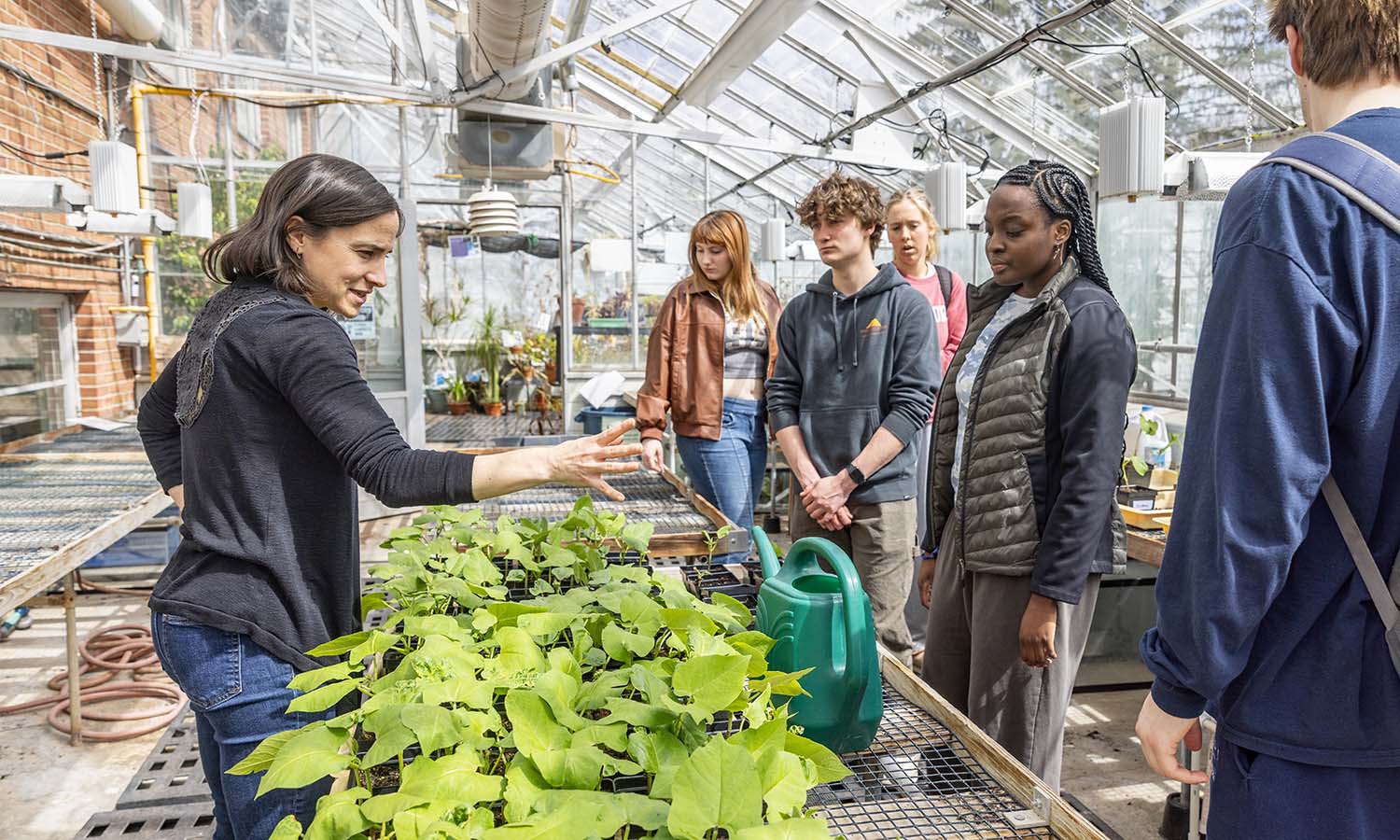
On the second floor of the new Fish Center for the Sciences, the new floor greenhouse will be home to a vibrant, diverse plant collection that supports teaching, research and campus-wide curiosity. Currently, the collection includes more than 170 specimens representing 62 plant families. This new, state-of-the-art space will provide the light and unique environment necessary to allow the collection to grow to meet the changing demands of the curriculum.
Vivarium ($1 million)
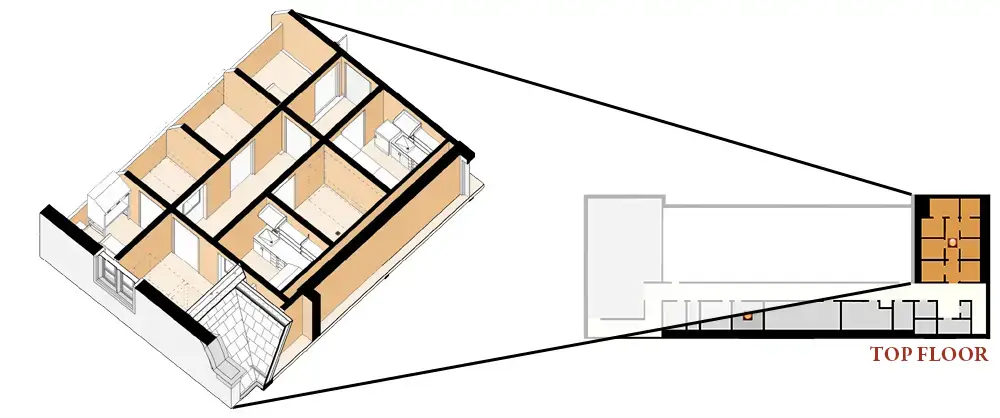
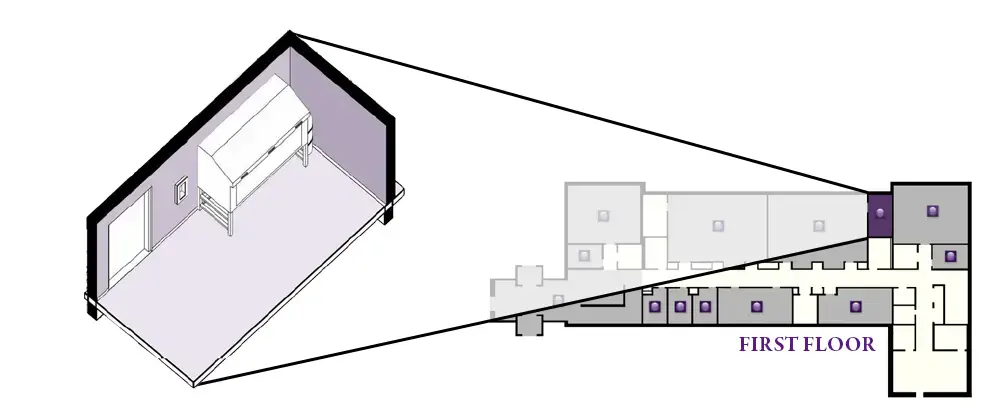
Located on the top floor of the new Fish Center for the Sciences, this state-of-the-art vivarium will provide a controlled environment designed for the care, study and observation of live animals used in research and teaching. It will provide specialized habitats that replicate natural conditions, ensuring animal welfare while supporting experiments in physiology, behavior and ecology. This facility enhances hands-on learning and enables ethical, compliant research that contributes to advances in biological and biomedical sciences.
Collaborative Student Workspace ($500,000)
This expansive, open space exemplifies what it means to pursue a STEM education grounded in the liberal arts. In the new integrated science model, students and faculty will work across departments in spaces designed for interaction between disciplines like biology, chemistry, geoscience, physics, psychological science and computer science. This collaborative student workspace – which will literally connect the new science building with Rosenberg Hall via a second floor glass atrium – reflects a key strength of the HWS curriculum: a commitment to collaboration across fields and the belief that real-world challenges are best addressed through interdisciplinary thinking.
Seminar Room ($500,000)Reserved
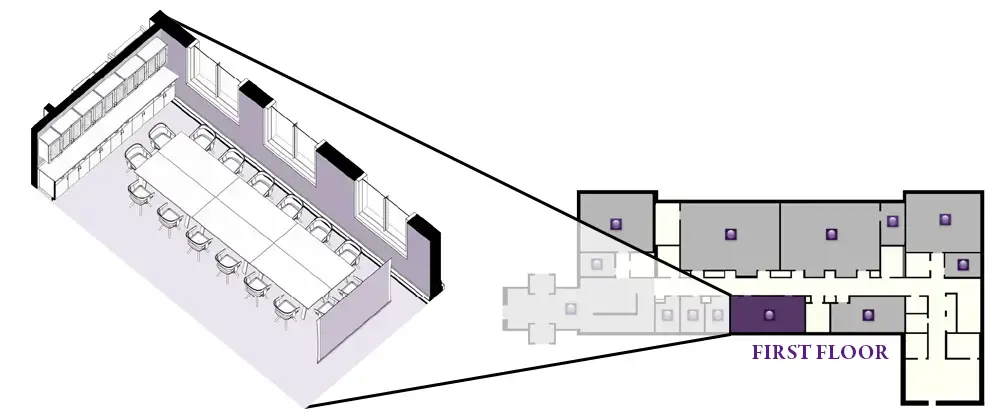
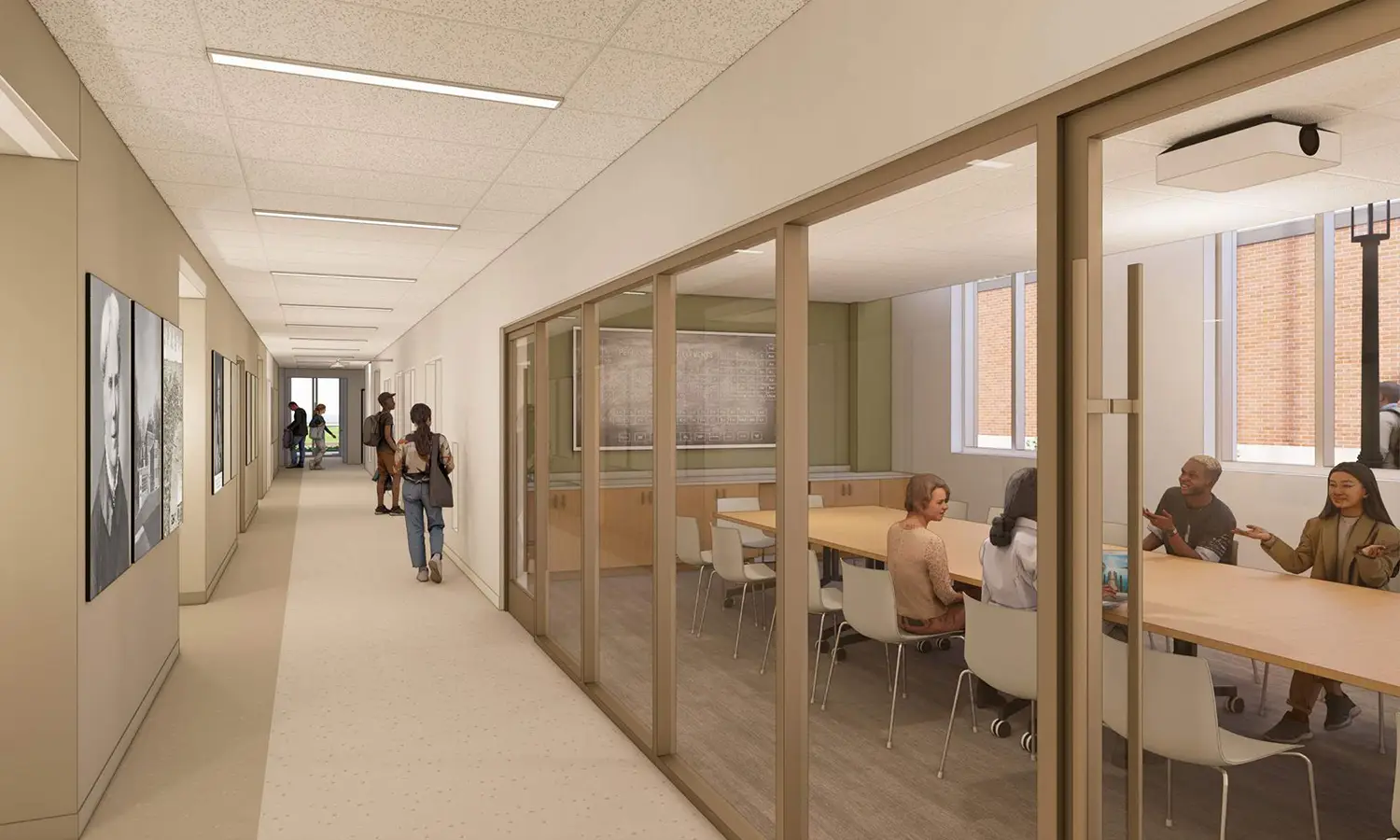
Located at the heart of the new Fish Center for the Sciences, the large seminar room on the first floor will be one of the most active and engaging spaces on campus – a flexible, tech-enabled environment designed to foster dialogue, collaboration and intellectual exchange. Whether hosting faculty meetings that bring together colleagues from across disciplines, small seminars that challenge students to think critically, or collaborative sessions that spark new ideas, this space – with floor to ceiling glass walls into the hallway – will embody the spirit of the integrated science model. With its central location, inviting design and capacity to adapt to a variety of academic and community uses, the seminar room will be a vital hub for conversation and connection.
Scientific Computing Lab - ($250,000)
This 12-person lab is designed as an interdisciplinary space used for both teaching and research in areas such as Astronomy and Atmospheric Science. The space will foster faculty-mentored research and individual exploration. Offering unique opportunities for students to have hands-on experience, this lab further emphasizes work between the scientific disciplines and promote our relationship rich education.
Photonics Lab ($250,000)
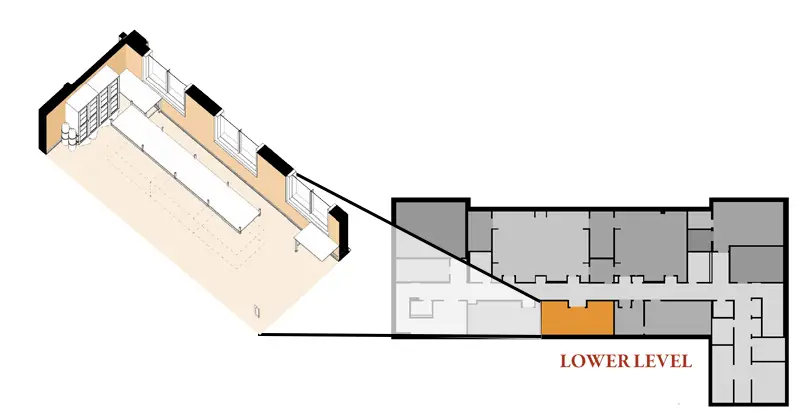
The Photonics Lab on the lower level of the new Fish Center for the Sciences will be a cutting-edge facility dedicated to the study and application of light-based technologies. Supporting research and coursework in physics, engineering and related fields, the lab will give students hands-on experience with lasers, fiber optics and advanced imaging systems – all tools that are essential to innovations in telecommunications, medical diagnostics, environmental sensing and more. By engaging in experimental design and real-world problem-solving, students will gain critical skills in a field at the forefront of scientific and technological advancement. The Photonics Lab will also serve as a platform for interdisciplinary exploration, inviting collaboration across the sciences and connecting HWS students to a rapidly growing area of research and industry.
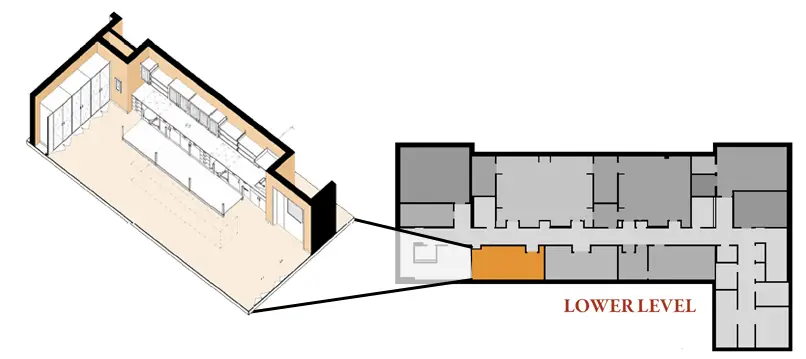
Cold Room ($100,000)Reserved
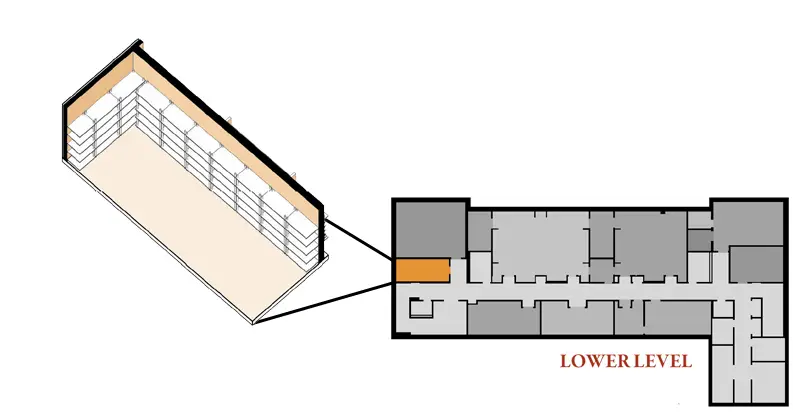
On the lower level of the new Fish Center for the Sciences, the Cold Room will be a critical resource for the Geoscience Department, providing a controlled, low-temperature environment for research that requires careful preservation and analysis of geological and environmental samples. Ideal for storing ice cores, sediment samples and perishable field materials, the Cold Room will support investigations into climate change, glacial processes and paleoenvironments. By maintaining the integrity of temperature-sensitive samples, the space will allow students and faculty to conduct precise, high-impact research.
Tissue Culture Room ($100,000)Reserved
The Tissue Culture Room in the new Fish Center for the Sciences will serve as a dedicated storage and support space for biological research involving cultured cells. Designed to maintain a clean, temperature-controlled environment, the room will house incubators, reagents, media and other supplies essential for tissue culture work. The space, on the first floor and near the biology labs, will ensure that sensitive materials are stored properly and are readily accessible.
Chemistry Instrument Room ($100,000)
The Chemistry Instrument Room in the new Fish Center for the Sciences will provide a secure, accessible space for housing essential analytical equipment used in both teaching and research. Located adjacent to teaching labs and faculty offices, the room will allow for easy integration of instrumentation such as spectrophotometers, chromatographs and balances into coursework and student-faculty research projects. This space will support precise, high-quality data collection and play a vital role in fostering inquiry and experimentation in the chemical sciences.
Endowment for Future Growth ($100,000)
As science and technology evolve, the spaces that support discovery must evolve with them. Endowed funds for the Fish Center for the Sciences will provide lasting resources to ensure the facility remains at the forefront of innovation – supporting ongoing upgrades to equipment, laboratories and learning environments that keep pace with emerging research and pedagogical practices. This enduring support will allow HWS to adapt to the changing needs of students and faculty, invest in new technologies and cultivate a vibrant, flexible space that inspires creativity and collaboration across disciplines.
Offices ($50,000/each)
Our award-winning faculty play a pivotal role in shaping student success. Their offices in the Fish Center for the Sciences will serve as spaces for intellectual exchange, mentorship and support. Office hours in these spaces create the foundation for deep learning, collaboration and life-changing faculty-student relationships.
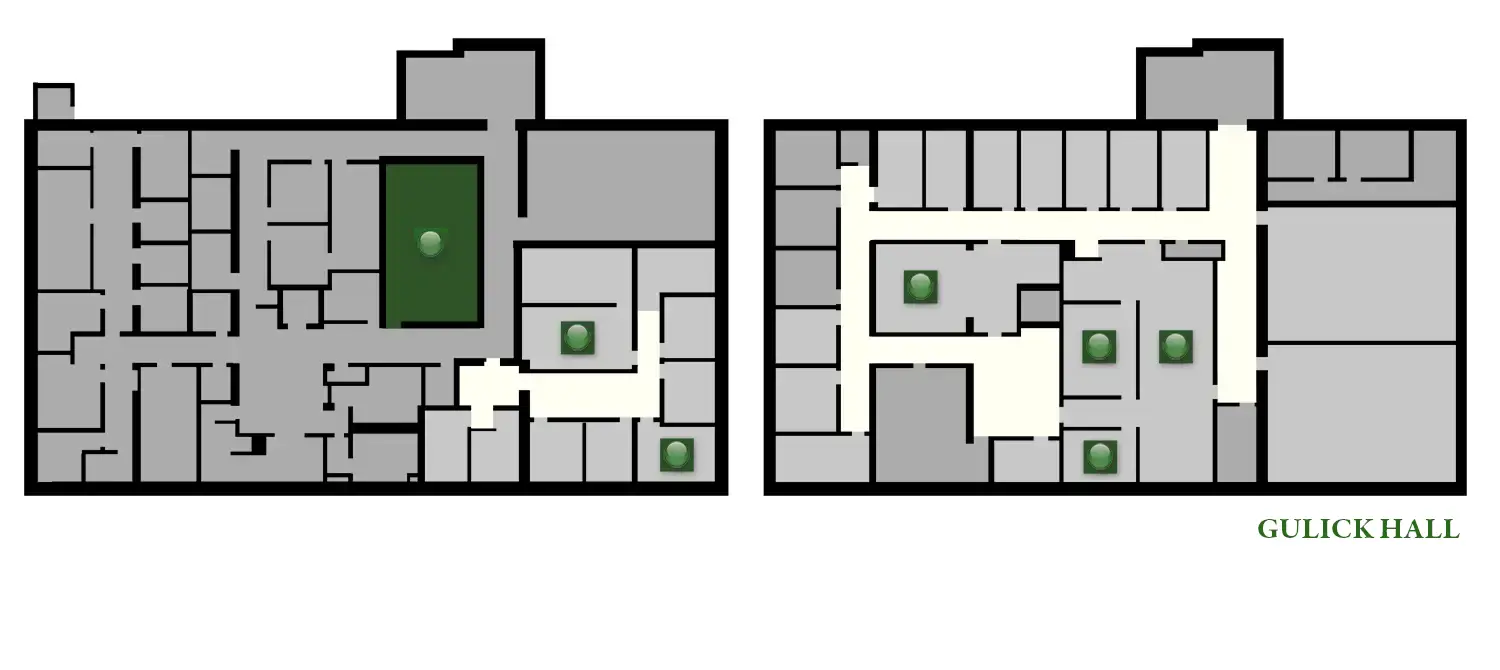
As part of the broader investment in the sciences at Hobart and William Smith, several upgrades are being made to buildings adjacent to the new Fish Center for the Sciences to foster collaboration across departments and create a true center for scientific exploration. This includes a significant renovation of Gulick Hall, which will serve as the home for the Hub for Mind, Matter and Computation. Positioned at the intersection of human cognition, the physical world and computational innovation, Gulick Hall will be home to the departments of Psychological Science, Physics, Mathematics and Computer Science.
Computer Lab ($250,000)
The Computer Lab in Gulick Hall will serve as a dynamic, cross-disciplinary digital workspace designed to support teaching, research and creative exploration at the intersection of technology, science and human cognition. Equipped with high-performance PC workstations and specialized software, the lab will provide students and faculty with the tools needed for a wide range of computational and design-based activities such as data visualization, statistical analysis, cognitive modeling, software development, digital media production and machine learning. Whether students are building experimental interfaces for psychology research, running simulations for physics or math, developing apps and algorithms, or producing multimedia content for research and presentations, the Computer Lab will be a flexible and creative hub supporting innovation across disciplines.
The Mathematics and Computer Science Lab ($250,000)
Located in Gulick Hall, the new Mathematics and Computer Science Lab will be a collaborative, project-based environment where students and faculty engage with advanced topics in mathematics, algorithm development, data science and computational modeling. Designed to support both coursework and research, the lab will be equipped with powerful computing workstations, collaborative workspaces and tools for coding, simulation, data visualization and mathematical exploration. Serving as a central resource for the departments of Mathematics and Computer Science, the lab will enable a wide range of activities—from writing and testing code, to modeling physical and biological systems, to exploring mathematical structures through computation. It will support coursework in areas like artificial intelligence, cryptography, numerical analysis, and machine learning, while also facilitating student-faculty research and interdisciplinary projects connected to the Hub for Mind, Matter, and Computation.
Mathematics Computer Lab ($100,000)
The Mathematics Computer Lab in Gulick Hall will serve as a dedicated space for mathematical computation, visualization and exploration. Designed to support the evolving needs of the Mathematics Department, the lab will provide students with access to powerful mathematical software such as MATLAB, Mathematica, Maple, Python (with libraries like NumPy and SymPy), and LaTeX for technical writing. Students will use the lab to run simulations, explore algorithmic solutions to mathematical problems, visualize complex functions and geometries, and write code to solve real-world quantitative challenges. Beyond coursework, the lab will also support independent student research, collaborative faculty-student projects, and interdisciplinary initiatives that draw on mathematical thinking.
Gulick Conference Room ($100,000)Reserved
The centralized conference room in Gulick Hall will serve as a flexible, tech-enabled space for collaboration, discussion and academic exchange across the departments of Psychological Science, Physics, Mathematics and Computer Science. Outfitted with modern audiovisual tools, video conferencing capabilities and adaptable furnishings, the room will support faculty meetings, student presentations, research discussions and interdisciplinary events.
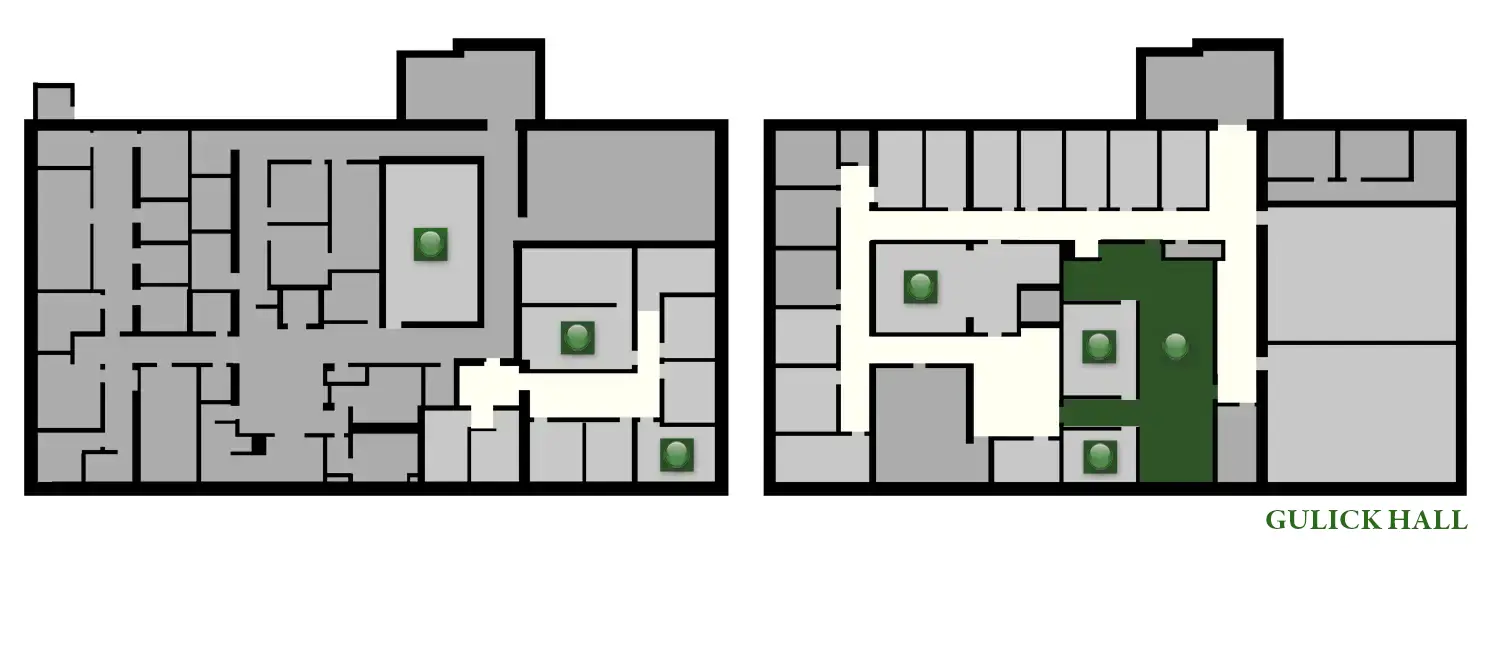
Collaborative Student Workspace ($500,000)
This unique space on the second floor of Gulick Hall will be a welcoming, flexible environment designed to support informal collaboration, quiet study and community-building among students across the sciences. Outfitted with comfortable seating, writable walls, large display screens, group worktables and charging stations, the space will encourage both focused individual work and spontaneous discussion. Located near classrooms and labs, it will serve as a natural gathering spot where students can review material, work on projects or simply relax between classes—helping to foster a vibrant, interdisciplinary academic community within the building.
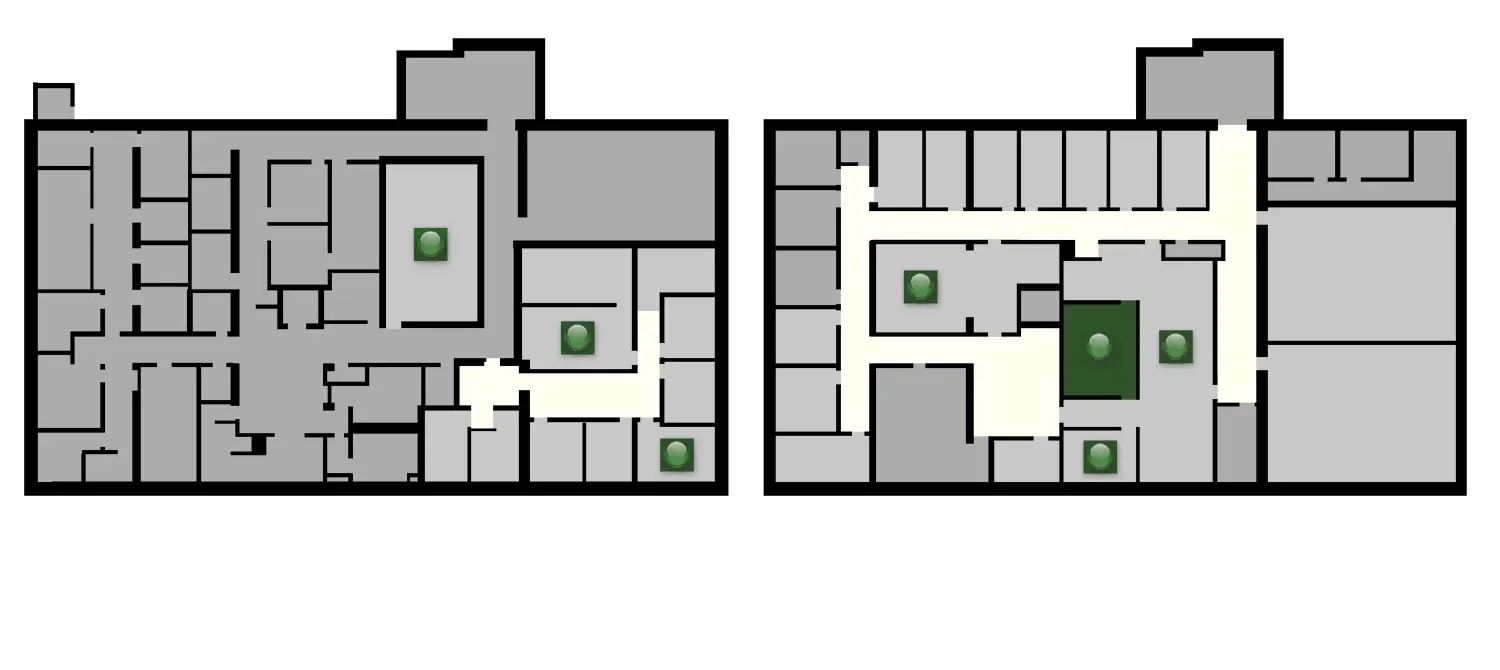
Clinical Room ($100,000)Reserved
The Clinical Room will provide a private, comfortable, and soundproof space designed for one-on-one or small-group research sessions, ensuring confidentiality and participant ease. Outfitted with biometric monitors and computers for administering surveys or mindfulness protocols, it will enable the precise collection of behavioral, physiological and self-report data. This dedicated space will support Professor of Psychological Science Jamie Bodenlos’s research on mindfulness and cognitive distortion by offering a controlled environment for interviews, assessments and student-led data collection.
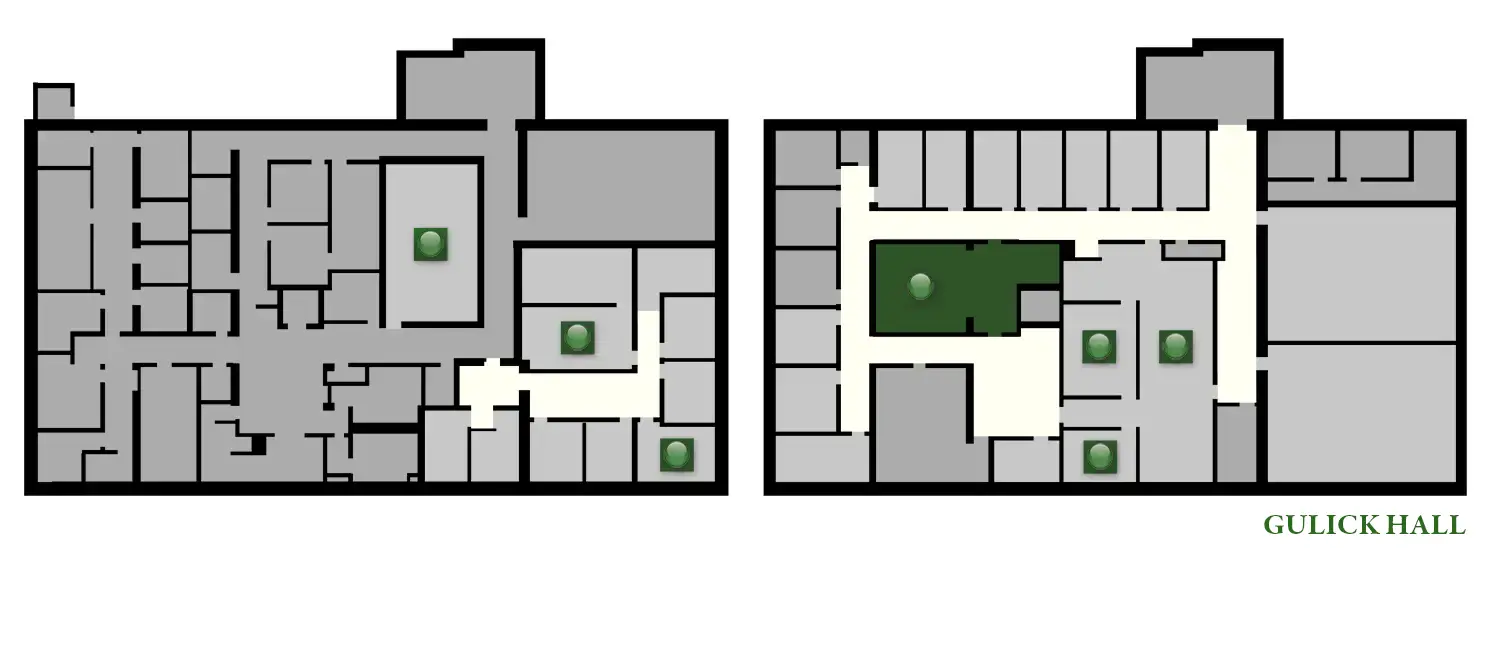
Psychology Faculty Suite ($500,000)Reserved
Located in Gulick Hall, the Psychological Science Faculty Suite will serve as a central hub for faculty collaboration, student mentoring and departmental coordination. Featuring eight faculty offices and a shared conference room, the suite is designed to foster a close-knit academic community and promote interdisciplinary engagement. The co-location of offices will encourage spontaneous collaboration among faculty while providing students with convenient access to professors for advising, research guidance and academic support. The conference room will support faculty meetings, small research discussions and student-faculty interactions—creating a dynamic space that enhances both the educational mission and scholarly activity of the department.
Faculty Offices ($50,000/each)
Nationally recognized, our faculty of Psychological Science, Physics, Mathematics and Computer Science provide a bridge between theoretical logic and the human experience. Whether exploring behavioral patterns, mathematical proofs, or artificial intelligence, these offices are centers of rigorous intellectual exchange. The collaboration that happens here during office hours builds the foundation for student success in the most vital scientific and analytical fields of our time. Twenty-four faculty offices are available for naming opportunities.
Rosenberg Hall Updates
Four Physics Teaching Spaces ($100,000/each)
The four new Physics Teaching Spaces will be designed to support a wide range of hands-on, inquiry-driven learning in classical and modern physics. These spaces, located in Rosenberg Hall, will include a dedicated Introductory Physics Lab equipped with modular lab benches, motion sensors, optics kits and data acquisition tools to support foundational experiments; an Advanced Physics Lab featuring specialized equipment for studies in electromagnetism, quantum mechanics and thermodynamics; a flexible Active Learning Classroom designed for interactive instruction, small-group problem solving and integrated lecture-lab formats; and an Electronics Lab for designing, building and testing custom electronic circuits and instrumentation essential to experimental research. Each space will be outfitted with modern instrumentation, digital displays and adaptable furnishings to foster collaboration, experimentation and real-time data analysis.

 About 40% of all HWS students major or minor in at least one science, while all students are required via the general education curriculum to take at least one course in the sciences.