
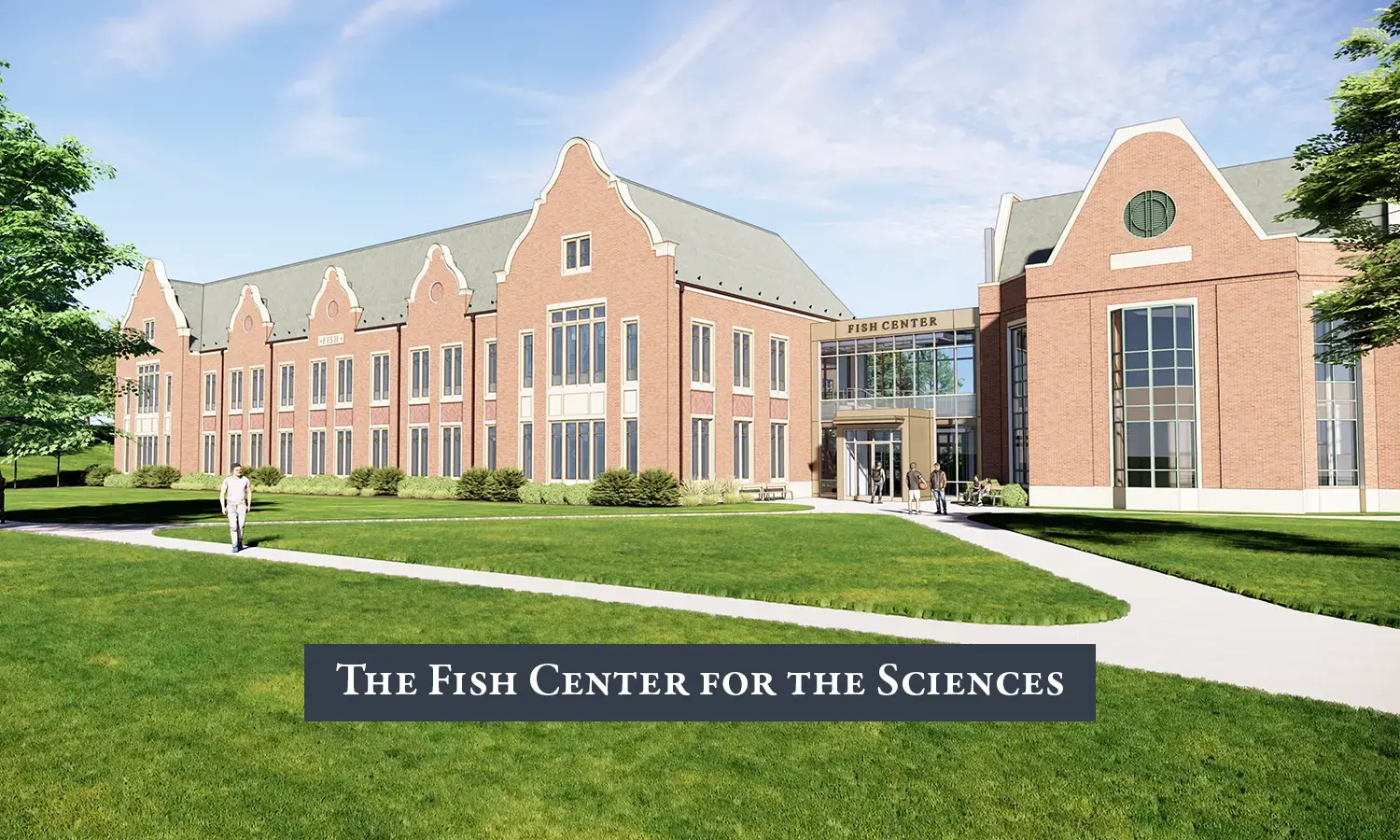
Construction is now underway on the Fish Center for the Sciences, a 40,000 square foot, state-of-the-art facility that will offer interdisciplinary teaching and laboratory spaces to support students across the science curriculum. Together with the revitalization of existing facilities, this project will create a cohesive, integrated hub for programs in the sciences and technology.
Be a part of making this vision a reality.
Naming opportunities offer a lasting way to champion curiosity, collaboration and impact.
Contact
Bob O'Connor P'22, P'23
Vice President and Senior Philanthropic Advisor
Phone: (315) 781-3535
E-mail: oconnor@hws.edu
You can support the future of scientific discovery and join the Further Together campaign through an immediate gift.
Make a Gift Today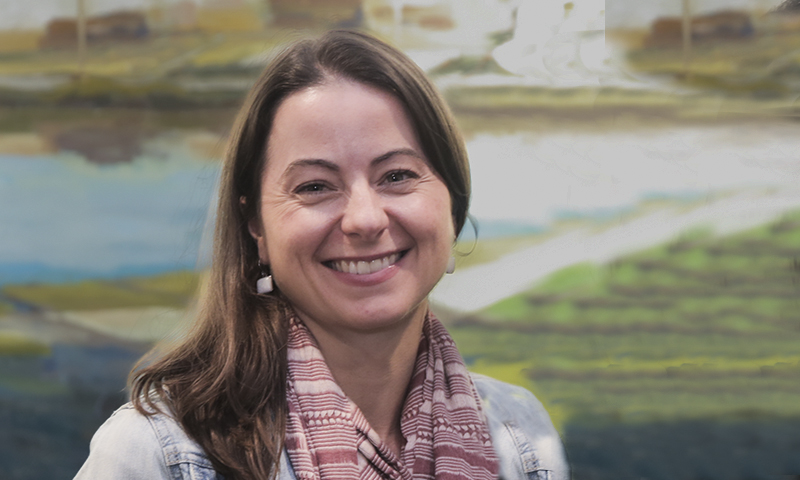 Professor Brown’s ecological research focuses on how aquatic ecosystems—especially lakes—respond to environmental stressors and invasions by non native species. She has examined how the establishment of introduced organisms is both shaped by and reshapes lake environments globally, is published in top journals like Limnology & Oceanography and Frontiers in Ecology & the Environment, and has worked internationally (e.g. Italian and Cuban lake systems) supported by National Science Foundation and Fulbright fellowships. She received her Ph.D. from the University of Minnesota.
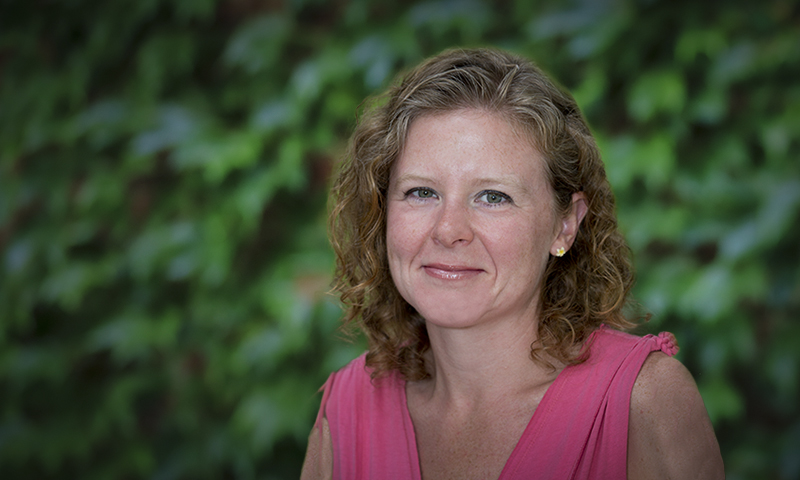 Associate Professor Cushman’s research centers on stream ecology in the Finger Lakes region, using benthic macroinvertebrate and fish community data alongside water-quality metrics to assess ecosystem health across land‐use gradients. Her ongoing projects include mercury accumulation in aquatic food webs across multiple Finger Lakes, restoration of stream habitats, urban-to-rural gradients in Castle Creek and parasite infections (blackspot disease) in fish species like blacknose dace and creek chub. She received her Ph.D. from the University of Maryland Center for Environmental Science.
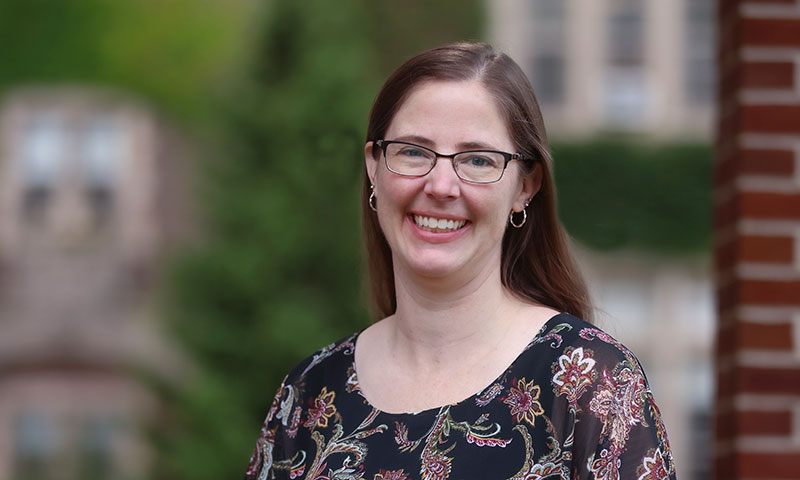 Associate Professor Straub is co chair of the Biochemistry program, and chair of the Biology Department. Her research explores the evolutionary relationships within the milkweed and dogbane family using phylogenomics, nuclear gene sequencing, and whole chloroplast genomes to study diversification among North American Asclepias species (milkweeds) and the biochemical pathway evolution of pyrrolizidine alkaloid production across the family. She received her Ph.D. from Cornell University.
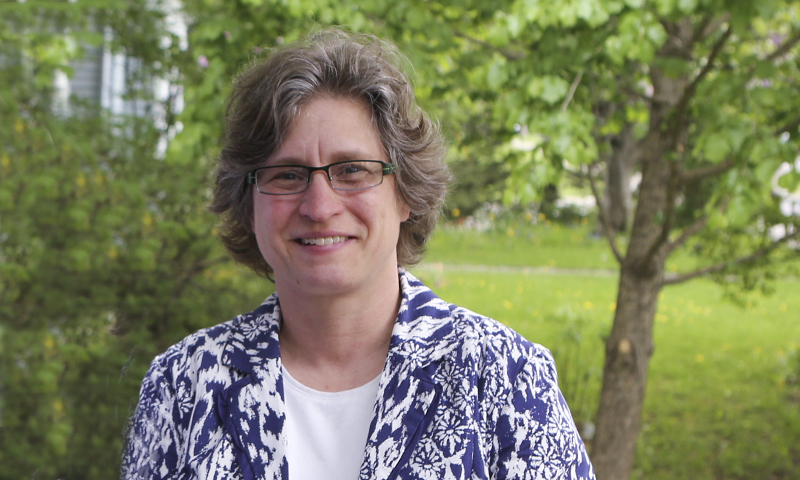 Professor Carle’s research focuses on the plant pathogen interactions of Agrobacterium vitis, the bacterium responsible for crown gall disease in grapevines. She seeks to elucidate the genetic mechanisms of infection and to explore the potential for engineering grape plants to mount a defensive response upon exposure to this pathogen. She received her Ph.D. from Florida State.
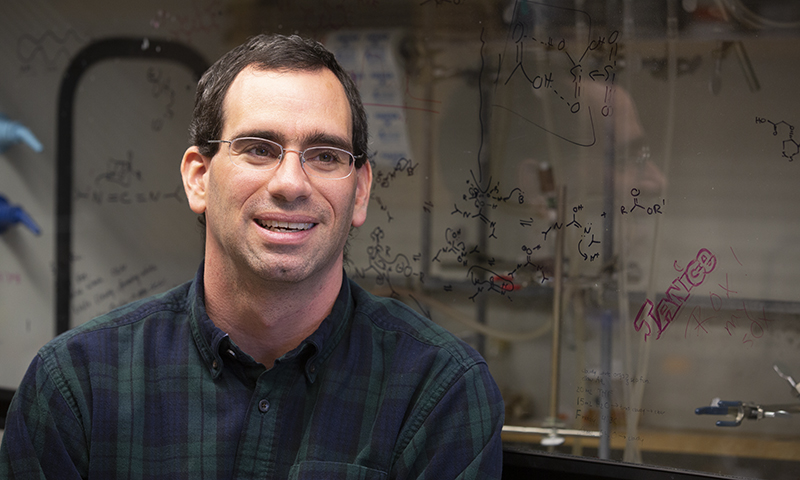 Professor Miller’s research group develops advanced bioorganic and synthetic organic chemistry methods, especially combining solid phase synthesis and chemoselective ligation, to produce proteins and cyclic depsipeptide molecules, including natural product candidates with histone deacetylase (HDAC) inhibitory activity that may have anticancer potential. His lab also innovates novel solid phase resins tailored to support efficient synthesis of cysteine containing peptidic molecules and biologically relevant analogs. He received his Ph.D. from the Massachusetts Institute of Technology.
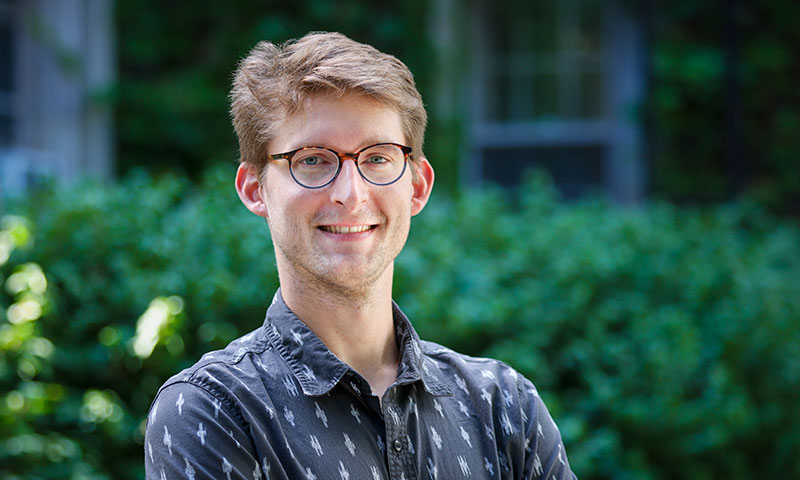 Assistant Professor Church’s lab focuses on theoretical and computational chemical physics, particularly quantum and semiclassical simulations to model ultrafast molecular dynamics and nonadiabatic processes. His work involves developing and applying advanced computational frameworks to better understand high-dimensional quantum effects that underlie transient chemical phenomena on sub-picosecond timescales. He received his Ph.D. from Cornell University.
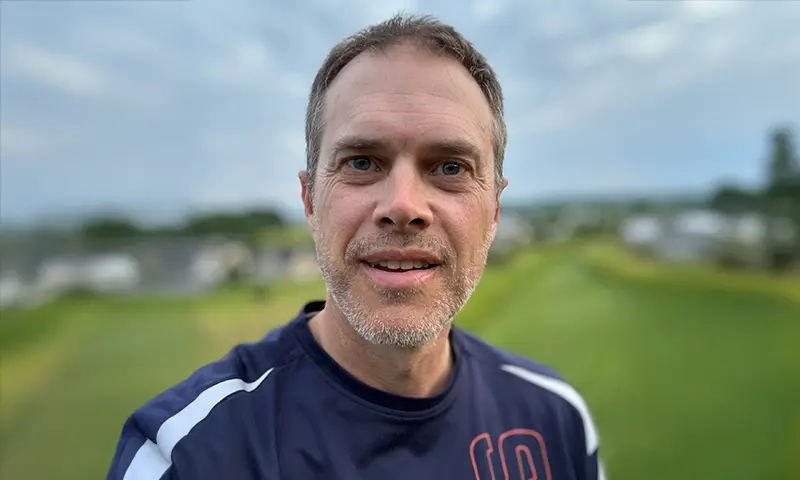 Professor Pelkey is Chair of the Chemistry Department and Co Chair of Biochemistry. His research centers on the organic synthesis of nitrogen heterocycles, including indole substituted furanones and pyrrolin 2 ones, with applications as tubulin inhibitors and potential anticancer agents. Collaborating closely with faculty in the HWS Biology Department as well as his students, his lab uses metal mediated tandem reactions and convergent synthetic strategies to design and evaluate novel compounds for biological activity in partnership with researchers testing their anti proliferative function in cancer models. He received his Ph.D. from Dartmouth College.
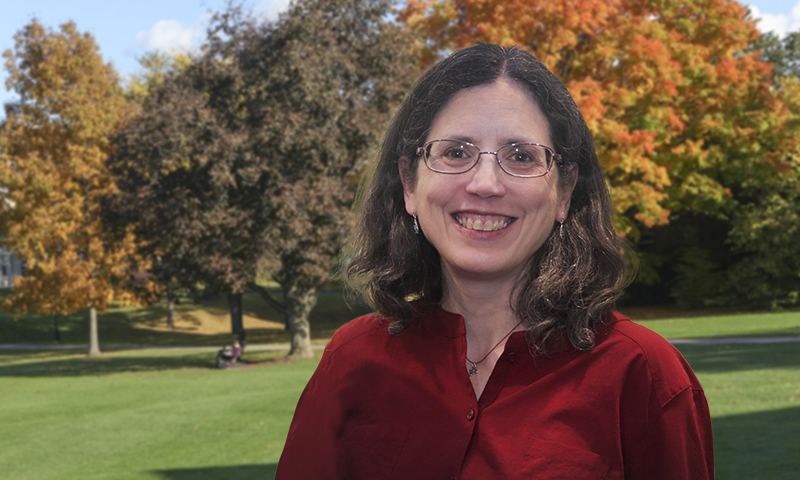 Professor Mowery focuses on discovering novel anti cancer agents, especially indole substituted furanones and other heterocyclic molecules, by collaborating closely with colleagues in the HWS Chemistry Department and with molecular modelers to design compounds that inhibit tubulin polymerization, a key target in cancer cell proliferation. Her work, supported by National Institutes of Health funding, integrates biological assays run by her lab with computational modeling to refine molecular structures for greater potency and reduced toxicity in potential therapeutics. She received her Ph.D. from the University of Wisconsin-Madison.
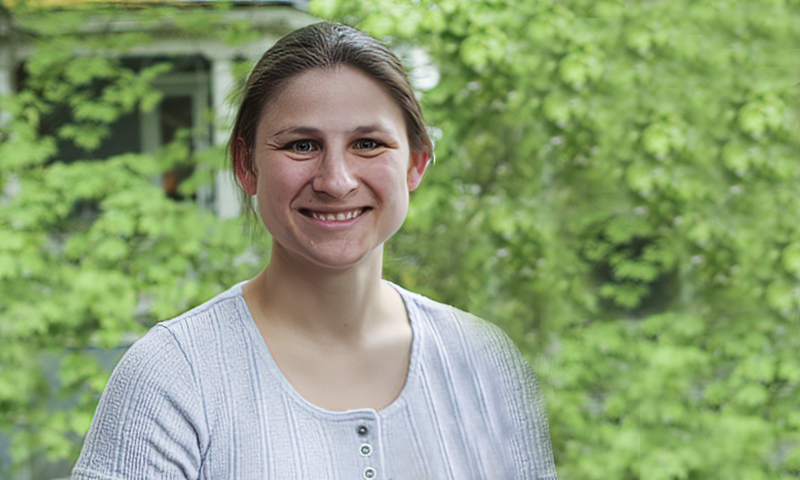 Professor Slade investigates how macromolecular crowding – the densely packed nature of the cellular interior – influences enzyme kinetics, with a particular focus on metabolic enzymes like alcohol dehydrogenase, malate dehydrogenase, and citrate synthase. Her lab also explores novel histone deacetylases (HDACs) in the ciliate Tetrahymena thermophila, combining chemical, analytical and cellular approaches to better understand enzyme regulation in realistic biological environments. She received her Ph.D. from the University of Richmond.
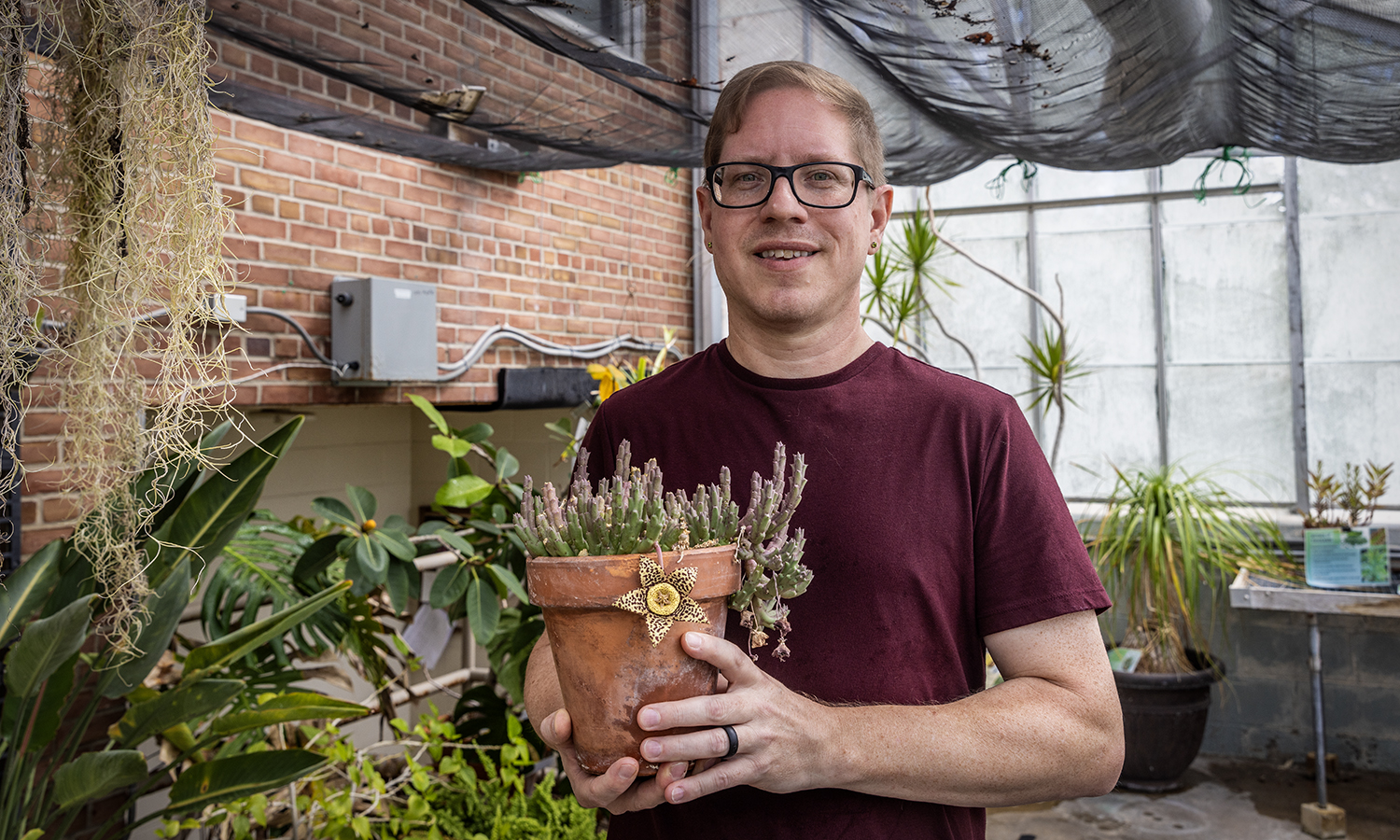 Knouse curates the institution's diverse greenhouse collection, which includes plants of historical, cultural, economic and agricultural significance. In addition to his role in plant curation, he contributes to the Institutional Animal Care and Use Committee, ensuring ethical oversight of animal research. He holds a Doctor of Veterinary Medicine from the University of Missouri-Columbia College of Veterinary Medicine.