Back to issue
The Pulteney Street Survey · Spring 2026
Hill & Quad · Academics

Matters
of Memory

HWS students explore the stories that shape communities — from Geneva to Washington, D.C.

On a fall afternoon in Geneva, a group of HWS students pores over archival photographs, listens to recorded oral histories and talks with community members about how the city has changed — and how those changes are remembered.
Their work is part of a new initiative at Hobart and William Smith that asks a deceptively simple question: Who gets to tell a community's story, and how does that story shape the way people live together?

$500K
Mellon Foundation Grant

"Matters of Memory:"
Confronting Conflicting Narratives in a Small American City

Launched with support from the Andrew W. Mellon Foundation, this interdisciplinary program brings students and faculty together to examine how history, memory and competing narratives influence civic life, identity and belonging.

Team-taught, hands-on, community-rooted

Directed by Professor of History Matthew Crow, the program blends team-taught seminars with hands-on research and community collaboration. Students study how stories are formed, preserved and sometimes contested — and then apply those ideas beyond the classroom.

From Geneva to Washington, D.C.

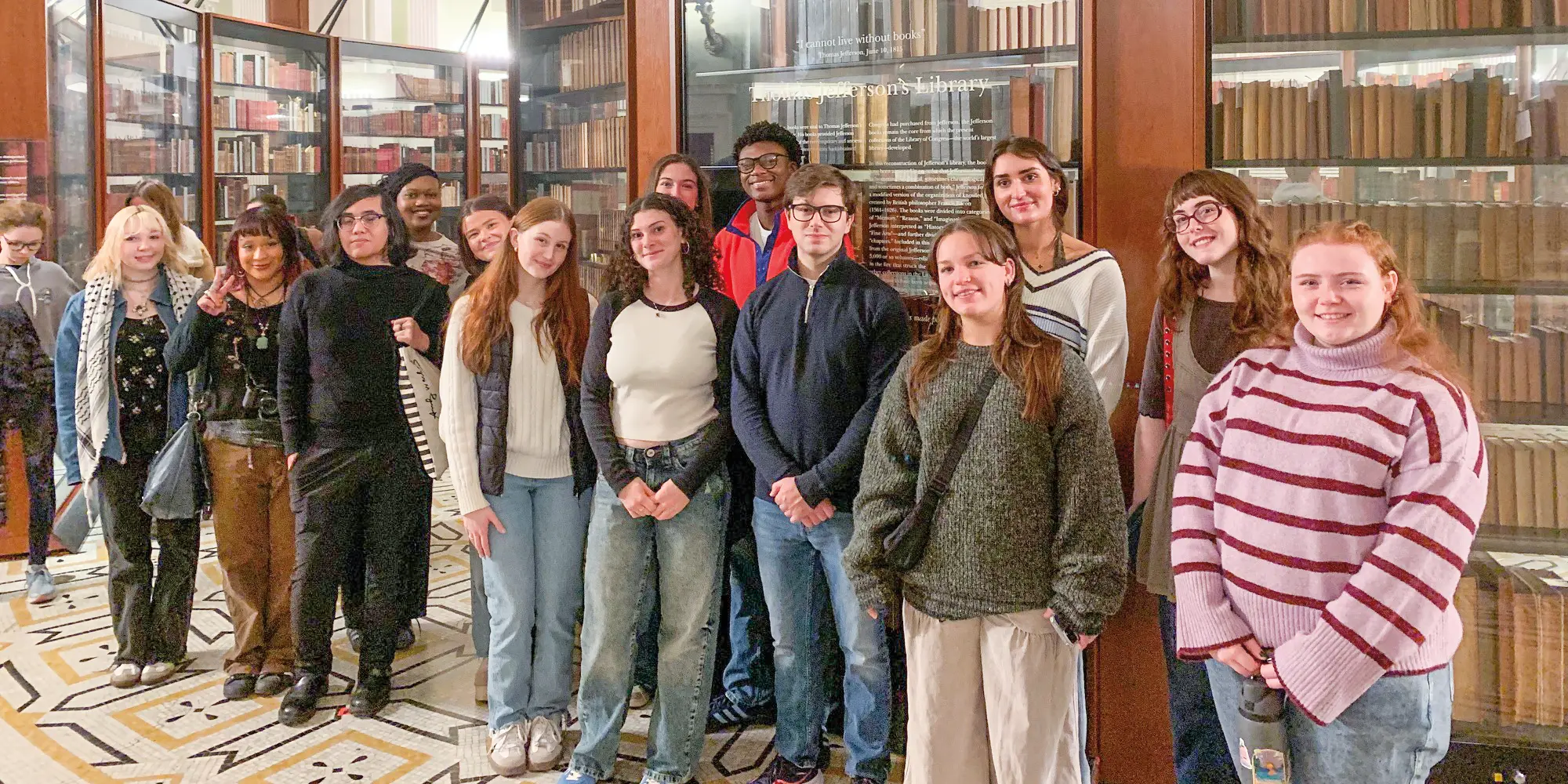
That work extends well beyond Geneva. Last fall, students traveled to Washington, D.C. to explore how national institutions shape historical memory. At the Library of Congress, the nation's oldest federal cultural institution, and the National Museum of African American History and Culture, students examined how archives, exhibitions and public history influence what a society remembers, values and understands about itself.

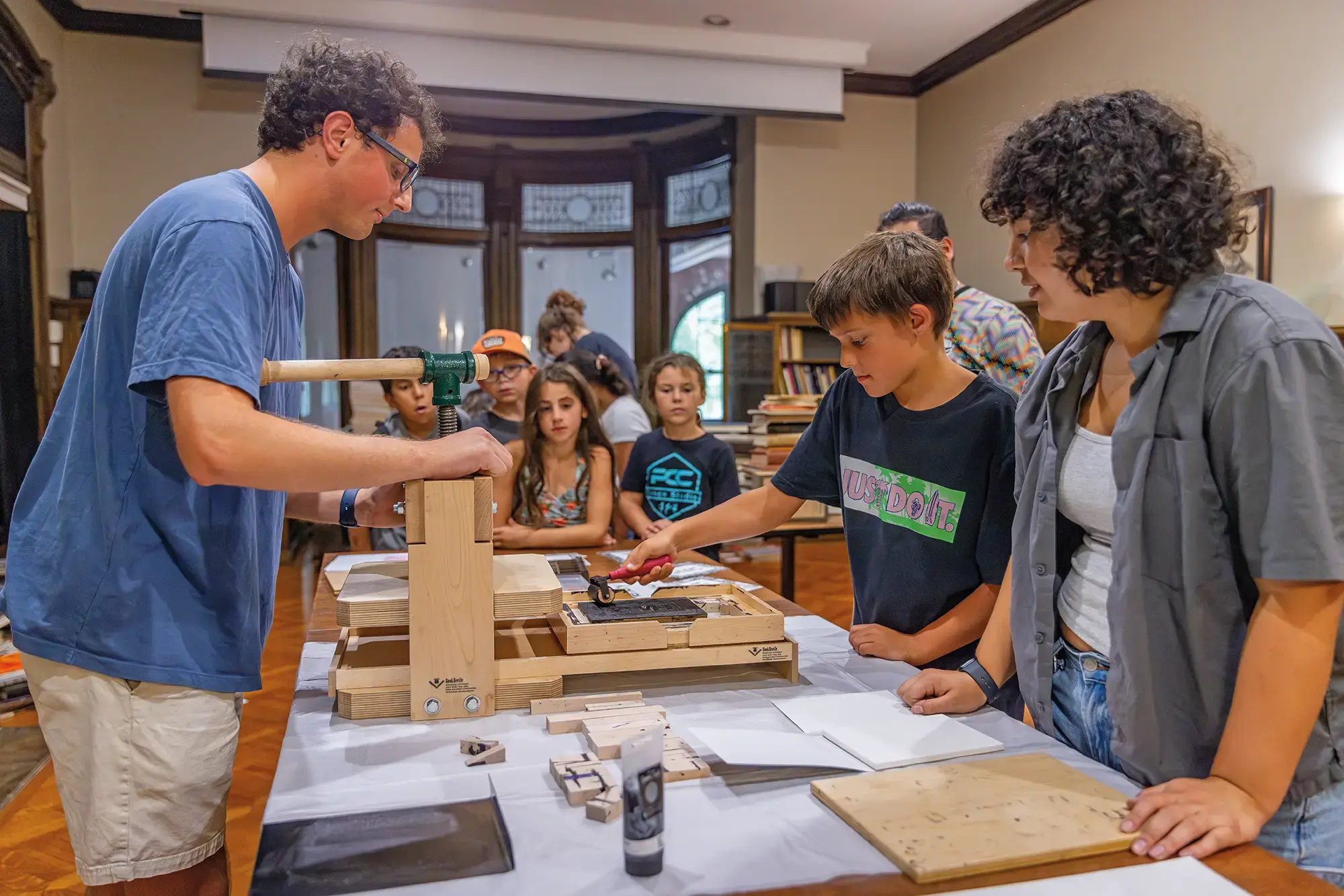
Connor Gasper '26 and Alyssa Hanuscin '27 lead a Matters of Memory program for local children to learn about the printing press
Connor Gasper '26 and Alyssa Hanuscin '27 lead a "Matters of Memory" program funded by the Mellon Foundation for local children to learn about the printing press.

Back home in Geneva

Back in Geneva, students apply those insights locally. One early project explored the intersections of religion, race and civic life in the city's history — drawing on interviews, archival research and community partnerships to help create a public, interactive exhibit that will be shared both on campus and online.

It's the kind of work that turns a question — who gets to tell the story? — into something the community can examine, debate and carry forward together.

More from this issue

View all stories →
©